
 In my previous posts dedicated to PLM education, I shared my PLM bookshelf, spoke with Peter Bilello from CIMdata about their education program and talked with Helena Gutierrez from SharePLM about their education mission.
In that last post, I promised this post will be dedicated to PLM education before s**t hits the fan. This statement came from my conversation with John Stark when we discussed where proper PLM education starts (before it hits the fan).
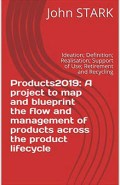
John is a well-known author of many books. You might have read my post about his book: Products2019: A project to map and blueprint the flow and management of products across the product lifecycle: Ideation; Definition; Realisation; Support of Use; Retirement and Recycling. A book with a very long title reflecting the complexity of a PLM environment.

John is also a long-time PLM consultant known in the early PLM community for his 2PLM e-zine. The 2PLM e-zine was an information letter he published between 1998 and 2017 before blogging and social interaction, updating everyone in the PLM community with the latest news. You probably were subscribed to this e-zine if you are my age.
So, let’s learn something more from John Stark
John Stark
 John, first of all, thanks for this conversation. We have known each other for a long time. First of all, can you briefly introduce yourself and explain where your passion for PLM comes from?
 The starting point for my PLM journey was that I was involved in developing a CAD system. But by the 1990s, I had moved on to being a consultant. I worked with companies in different industry sectors, with very different products.
I worked on application and business process issues at different product lifecycle stages – Ideation; Definition; Realization; Support of Use; Retirement and Recycling.
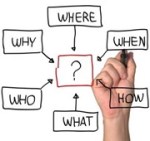 However, there was no name for the field I was working in at that time. So, I decided to call it Product Lifecycle Management and came up with the following definition:
‘PLM is the business activity of managing, in the most effective way, a company’s products all the way across their lifecycles; from the very first idea for a product, all the way through until it is retired and disposed of’.
PLM is the management system for a company’s products. It doesn’t just manage one of its products. It manages all of its parts and products and the product portfolio in an integrated way.’
I put that definition at the beginning of a book, ‘Product Lifecycle Management: Paradigm for 21st Century Product Realization’, published in 2004 and has since become the most cited book about PLM. I included my view of the five phases of the product lifecycle
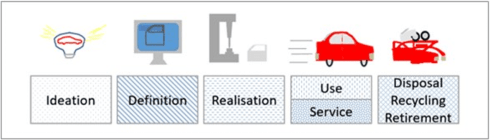
and created the PLM Grid to show how everything (products, applications, product data, processes, people, etc.) fits together in PLM.

From about 2012, I started giving a blended course, The Basics of PLM, with the PLM Institute in Geneva.

As for the passion, I see PLM as important for Mankind. The planet’s 7 billion inhabitants all rely on products of various types, and the great majority would benefit from faster, easier access to better products. So PLM is a win-win for us all.
That’s interesting. I also had a nice definition picture I used in my early days. x
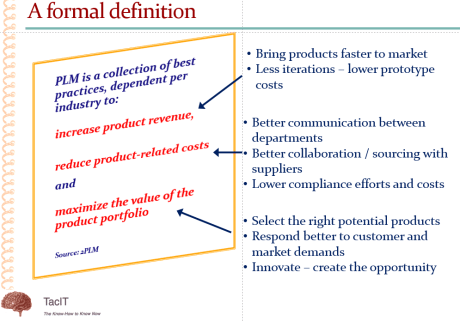
PI London 2011
and I had my view of the (disconnected) lifecycle.
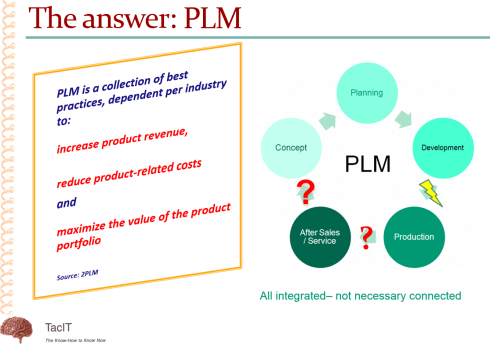
PI Apparel London 2014
The education journey
 John, as you have been active in PLM education for more than twenty years, do you feel that PLM Education and Training has changed.
 PLM has only existed for about twenty years. Initially, it was so new that there was just one approach to PLM education and training, but that’s changed a lot.
Now there are specific programs for each of the different types of people interested or involved with PLM. So, for example, now there are specific courses for students, PLM application vendor personnel, PLM Managers, PLM users, PLM system integrators, and so on. Each of these groups has a different need for knowledge and skills, so they need different courses.
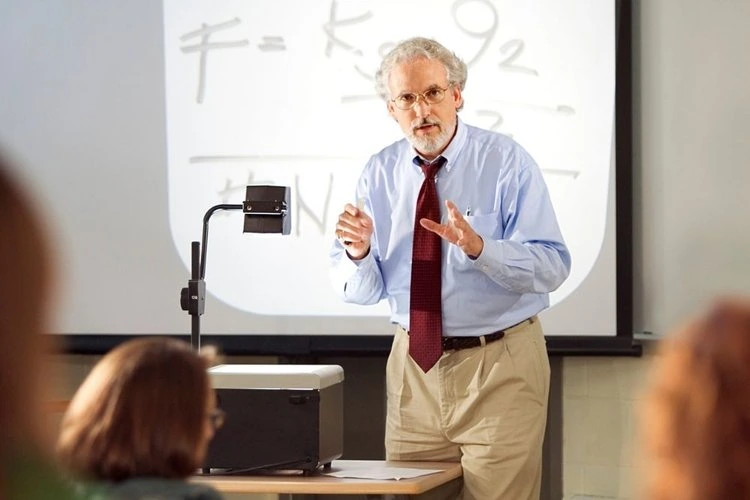 Another big change has been in the technologies used to support PLM Education and Training. Twenty years ago, the course was usually a deck of PowerPoint slides and an overhead projector. The students were in the same room as the instructor.
These days, courses are often online and use various educational apps to help course participants learn.
Who should be educated?
Having read several of your books, they are very structured and academic. Therefore, they will never be read by people at the C-level of an organization. Who are you targeting with your books, and why?
Initially, I wasn’t targeting anybody. I was just making my knowledge available. But as time went by, I found that my books were mainly used in further education and ongoing education courses.
So now, I focus on a readership of students in such organizations. For example, I’ve adapted some books to have 15 chapters to fit within a 15-week course.
 Students make up a good readership because they want to learn to pass their exams. In addition, and it’s a worldwide market, the books are used in courses in more than twenty countries. Also, these courses are sufficiently long, maybe 150 hours, for the students to learn in-depth about PLM. That’s not possible with the type of very short PLM training courses that many companies provide for their employees.
PLM education
Looking at publicly available PLM education, what do you think we can do better to get PLM out of the framing of an engineering solution and become a point of discussion at the C-level
Even today, PLM is discussed at C-level in some companies. But in general, the answer is to provide more education about PLM. Unfortunately, that will take time, as PLM remains very low profile for most people.
 For example, I’m not aware of a university with a Chair of Product Lifecycle Management. But then, PLM is only 20 years old, that’s very young.
It often takes two generations for new approaches and technologies to become widely accepted in the industry.
So another possibility would be for leading vendors of PLM applications to make the courses they offer about PLM available to a wider audience.
A career with PLM?
Educating students is a must, and like you and me, there are a lot of institutions that have specialized PLM courses. However, I also noticed a PLM expert at C-level in an organization is an exception; most of the time, people with a financial background get promoted. So, is PLM bad for your career?
No, people can have a good career in PLM, especially if they keep learning. There are many good master’s courses if they want to learn more outside the PLM area. I’ve seen people with a PLM background become a CIO or a CEO of a company with thousands of employees. And others who start their own companies, for example, PLM consulting or PLM training. And others become PLM Coaches.
PLM and Digital Transformation
A question I ask in every discussion. What is the impact of digital transformation on your area of expertise? In this case, how do you see PLM Education and Training looking in 2042, twenty years in the future?
I don’t see digital transformation really changing the concept of PLM over the next twenty years. In 2042, PLM will still be the business activity of managing a company’s products all the way across their lifecycles.
So, PLM isn’t going to disappear because of digital transformation.
 On the other hand, the technologies and techniques of PLM Education and Training are likely to change – just as they have over the last twenty years. And I would expect to see some Chairs of Product Lifecycle Management in universities, with more students learning about PLM. And better PLM training courses available in companies.
I see digital transformation making it possible to have an entire connected lifecycle without a lot of overhead.

Digital Transformation – platforms working together
Want to learn more?
My default closing question is always about giving the readers pointers to more relevant information. Maybe an overkill looking at your oeuvre as a writer. Still, the question is, where can readers from this blog learn more?
x
Three suggestions:
x
- Roger Tempest’s PLMIG
- The IFIP International Conference on Product Lifecycle Management
- Business Value of PLM Curriculum Webinar
What I learned
 By talking with John and learning his opinion, I see the academic approach to define PLM as a more scientific definition, creating a space for the PLM professional.
We had some Blog /LinkedIn interaction related to PLM: Should PLM become a Profession? In the past (2017).
When I search on LinkedIn, I find 87.000 persons with the “PLM Consultant” tag. From those, I know in my direct network, I am aware there is a great variety of skills these PLM Consultants have. However, I believe it is too late to establish the PLM Professional role definition.
 John’s focus is on providing students and others interested in PLM a broad fundamental knowledge to get into business. In their day-to-day jobs, these people will benefit from knowing the bigger context and understanding the complexity of PLM.
This is also illustrated in Product2019, where the focus is on the experience – company culture and politics.
Due to the diversity of PLM, we will never be able to define the PLM professional job role compared to the Configuration Manager. Two disciplines are crucial and needed for a sustainable, profitable enterprise.
Conclusion
In this post, we explored a third dimension of PLM Education, focusing on a foundational approach, targeting in particular students to get educated on all the aspects of PLM. John is not the only publisher of educational books. I have several others in my network who have described PLM in their wording and often in their language. Unfortunately, there is no central point of reference, and I believe we are too late for that due to the tremendous variety in PLM.
Next week I will talk with a Learning & Development leader from a company providing PLM consultancy – let’s learn how they enable their employees to support their customers.
 Jos, first of all, thank you for the invitation to your blog! That’s a great question. In my previous job, as a young PLM director at the former Outotec, nowadays
  In the beginning, I envisioned some kind of a marketplace, where people could also sell their own resources. A resource I often missed was some kind of POC template for a new deployment, these kinds of things.
 Software vendors keep their PLM systems generic. And almost every company needs to adapt their systems to their company reality: their processes, their system architecture, and their people.
 This is an interesting differentiation – I must say I hadn’t heard of it before, but it makes sense.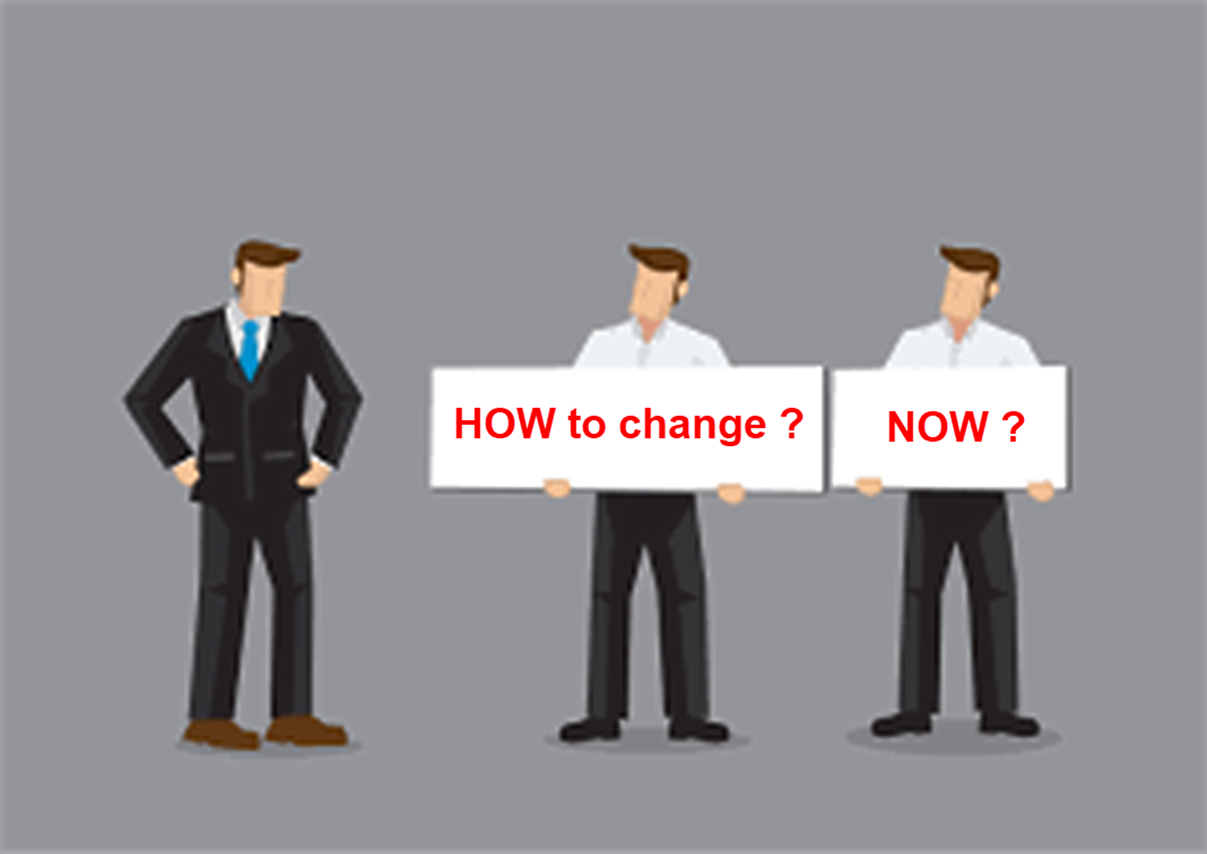

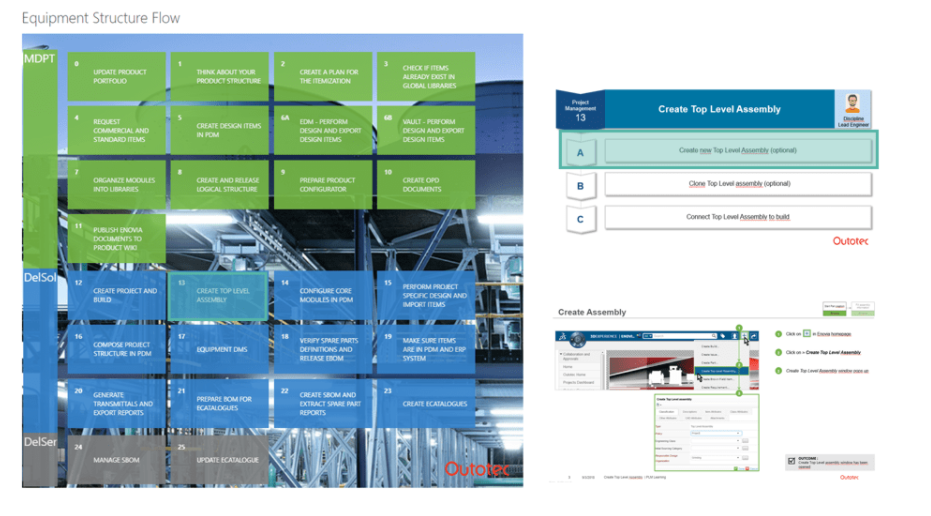


 Small companies start small and build their training environment slowly. Some might do some parts by themselves and use our services to guide them through the process.
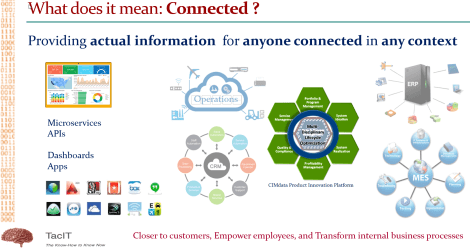

 When I started my blog virtualdutchman.com in 2008, I wanted to share PLM experiences and knowledge.

 Jos, throughout much of CIMdata’s existence, we have delivered educational content to the global PLM industry. With a core business tenant of knowledge transfer, we began offering a rich set of PLM-related tutorials at our North American and pan-European conferences starting in the earlier 1990s.
 Based on our experience, we recommend that an organization’s professional education strategy and plans address the organization’s specific processes and enabling technologies. This will help ensure that it drives the appropriate and consistent operations of its processes and technologies.
 In turn, this framework can be used as an efficient tool for the organization’s HR department to define its training and job progression programs that align with its overall transformation.
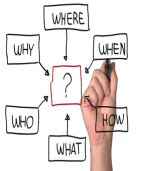
 In our terms, education deals with the “WHY” and training with the “HOW”. Why do we need to change? Why do we need to do things differently? And then “HOW” to use new tools within the new processes.
 Therefore a well-defined skills transformation framework is critical for any company that wants to grow and thrive in the digital world. Finally, a skills transformation framework needs to be tied directly to an organization’s digital implementation roadmap and structure, state of the process, and technology maturity to maximize success.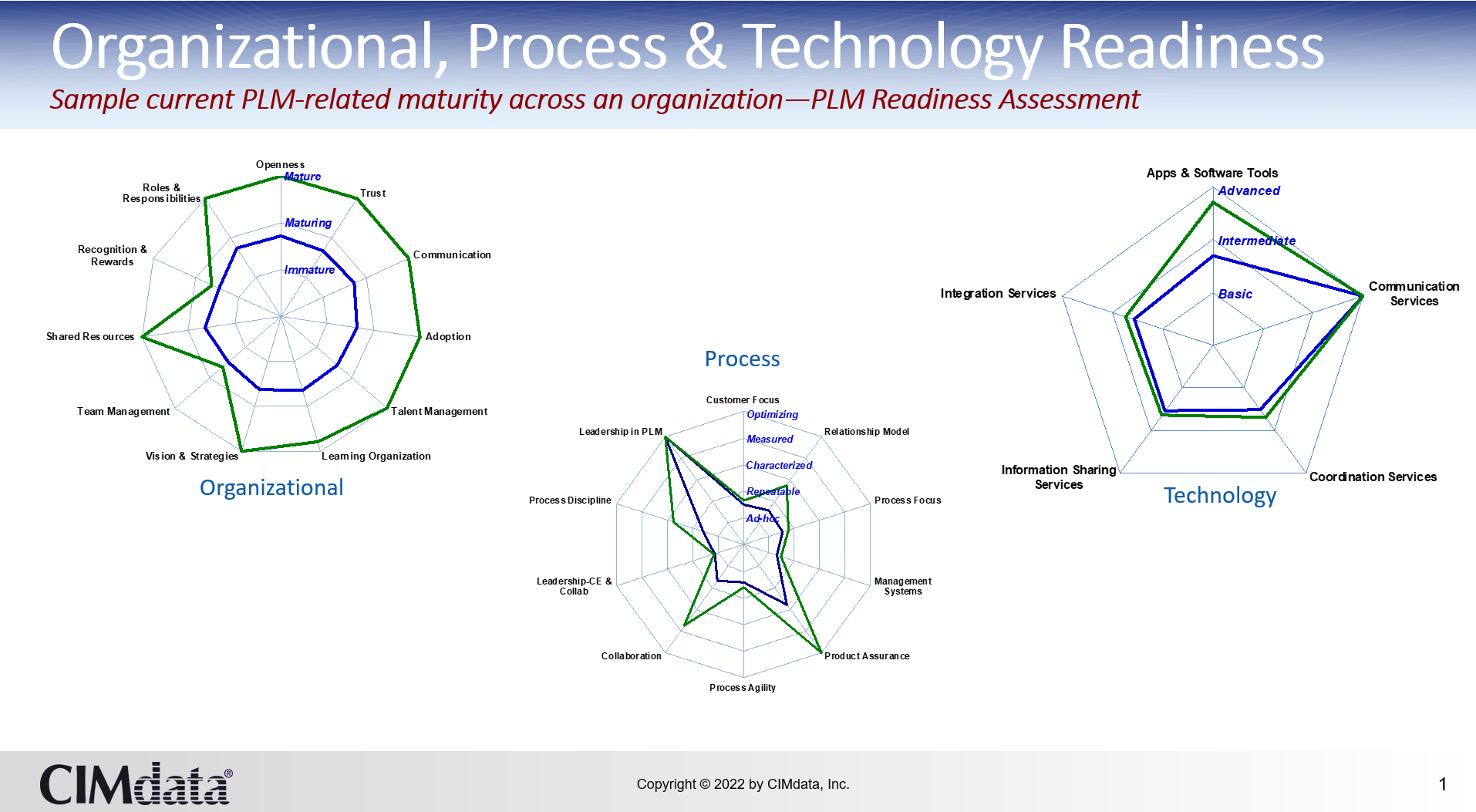
 This also allows us, when we are supporting the definition of a digital skills transformation framework, to understand how the level of internal knowledge might differ within and between departments, sites, and disciplines. All of which help define an organization-specific action plan, no matter its size.
 For this, it is important to differentiate between education and training. So, CIMdata provides education (the why) and training and education strategy development and planning.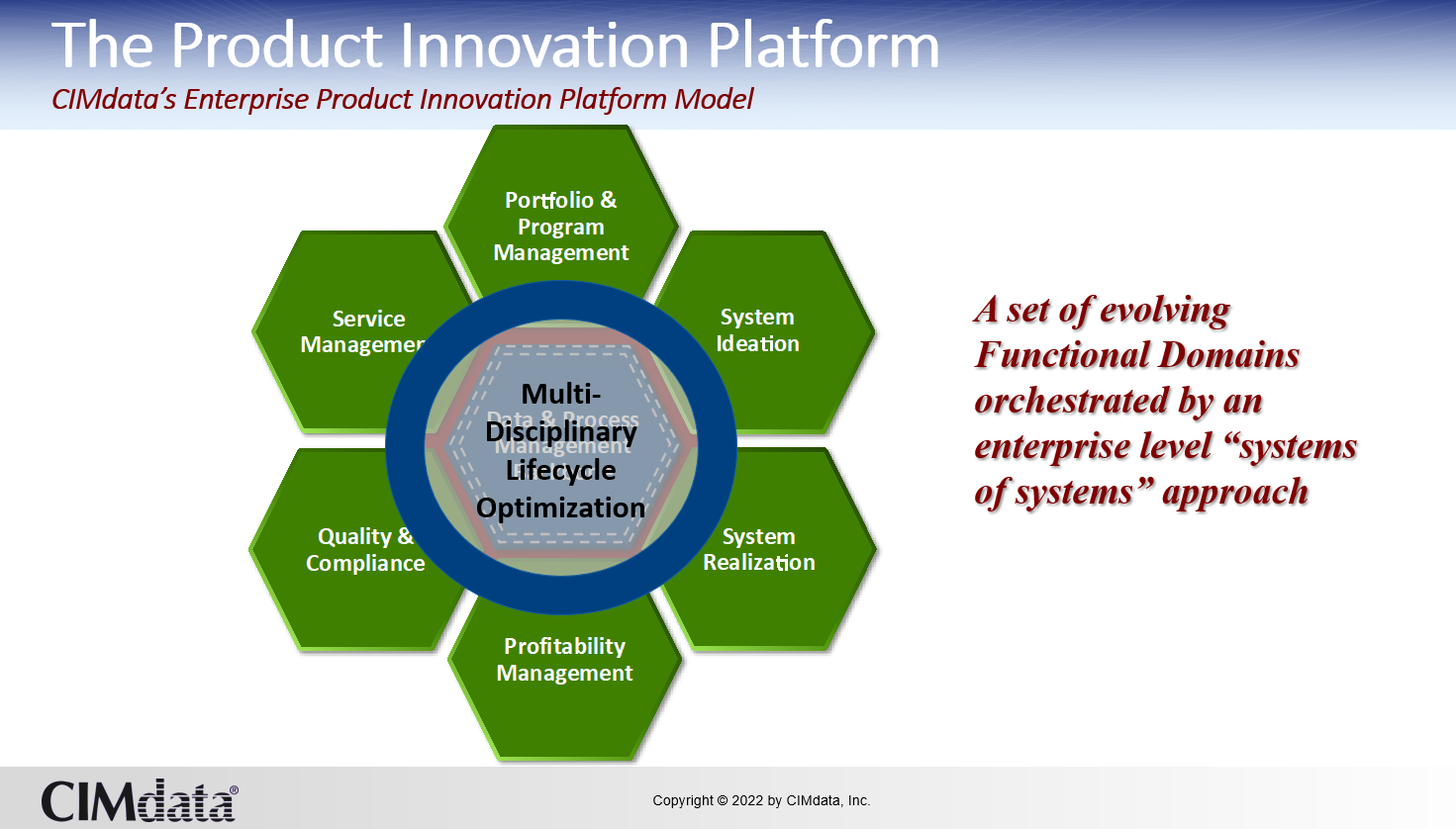

 For example, OCM must be executed alongside an organization’s digital skills transformation program. Our OCM services focus on strategic planning and execution support. We have found that most companies understand the importance of OCM, often don’t fully follow through on it.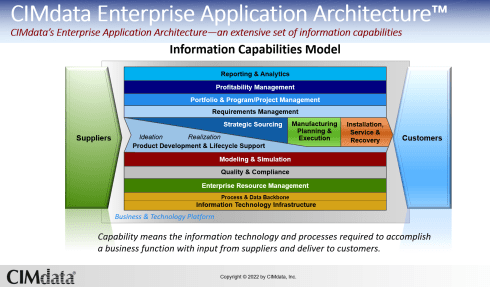
 The starting point is understanding your systems of systems environment and where bottlenecks exist.
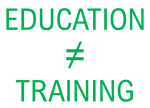 Talking with Peter made me again aware of a few things. First, it is important to differentiate between education and training. Where education is a continuous process, training is an activity that must take place at the right time. Unfortunately, we often mix those two terms and believe that people are educated after having followed a training.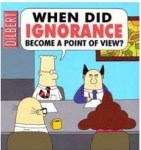
 After two quiet weeks of spending time with my family in slow motion, it is time to start the year.
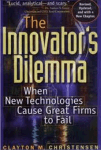 A must-read book was written by
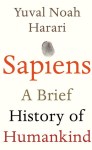 The book Sapiens by Yuval Harari made me realize the importance of storytelling in the domain of PLM and business transformation. In short, Yuval Harari explains why the human race became so dominant because we were able to align large groups around an abstract theme. The abstract theme can be related to religion, the power of a race or nation, the value of money, or even a brand’s image.

 I briefly mentioned the book in my series
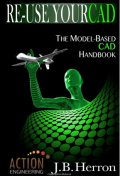
  Where John Stark’s book might miss the PLM details, Martin’s book brings you everything in detail and with all its references.


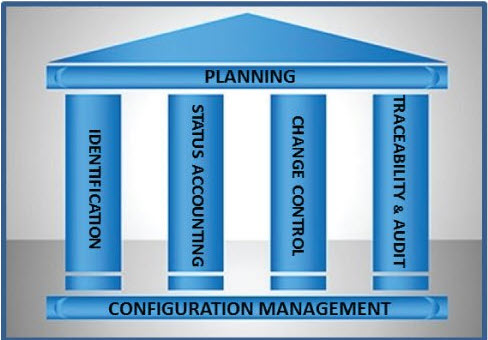
 By providing the appropriate change processes and guidance, configuration management either avoids costly mistakes and iterations during all phases of a product lifecycle or guarantees the quality of the product and information to ensure safety.
 Similar to what is said in smaller companies related to PLM, CM is often seen as an overhead, as employees believe they thoroughly understand their products. In addition, CM is seen as a hurdle to innovation because of the standardization of practices. So yes, they think it is normal that there are sometimes problems. That’s life.





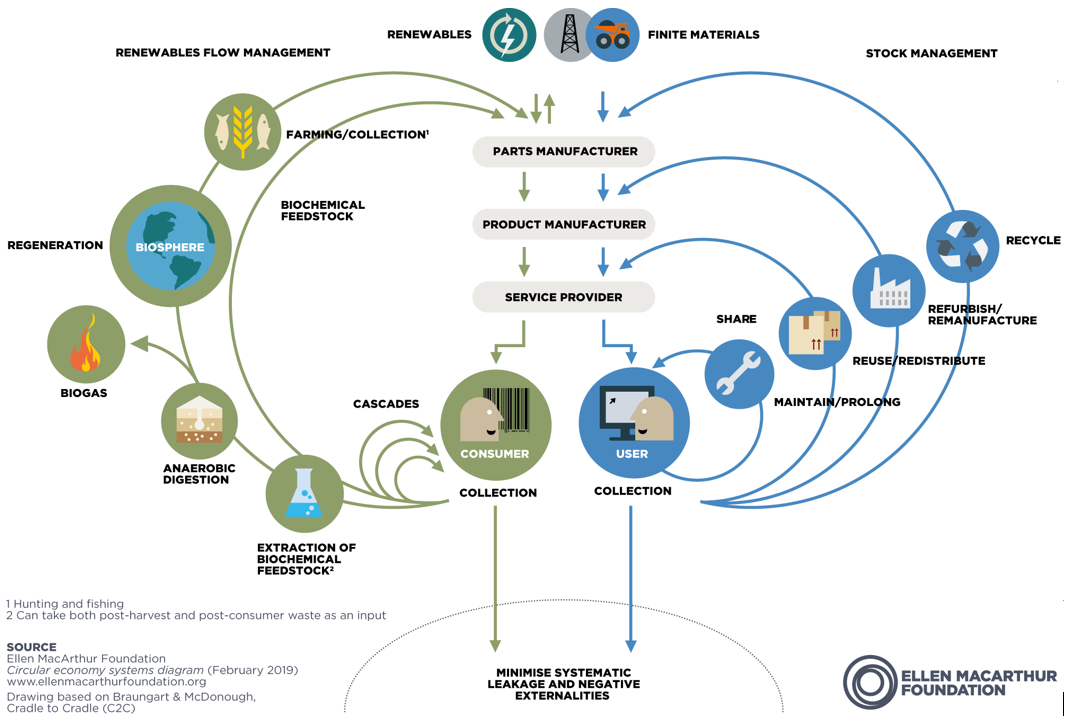

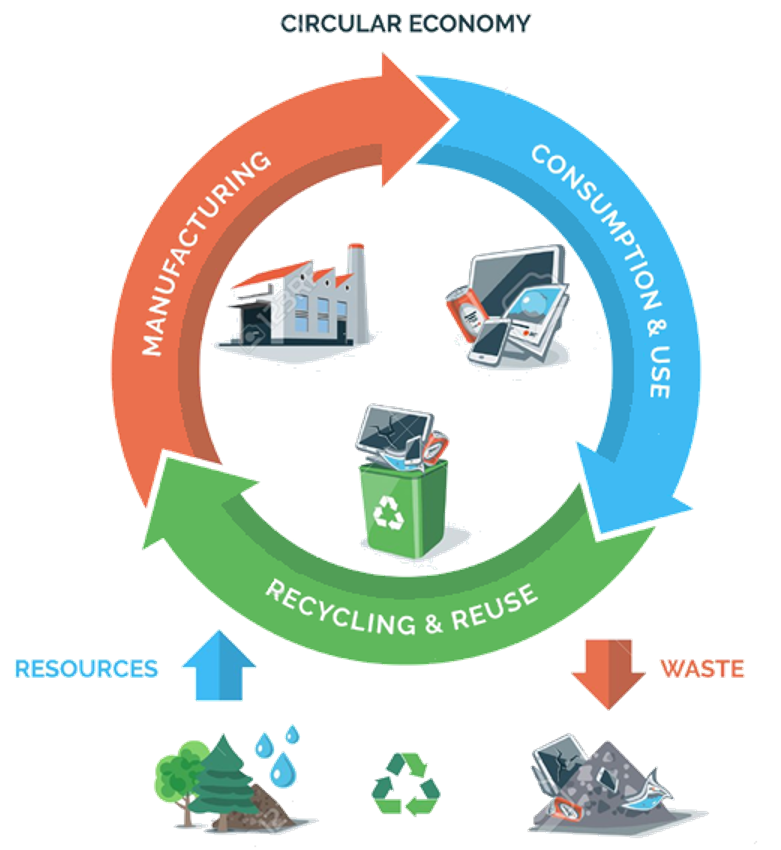
 The concept of Product as a Service is not something that typical manufacturing companies endorse. Instead, it requires them to restructure their business and restructure their product.
 There was some resistance when I proposed creating an enterprise product information backbone (a PLM infrastructure) with aligned processes. It would force people to work upfront in a coordinated manner. Now with the digitization of operations, this is no longer a point of discussion.
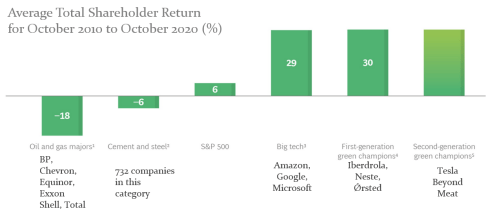

 Over two hundred attendees connected for the two days, and you can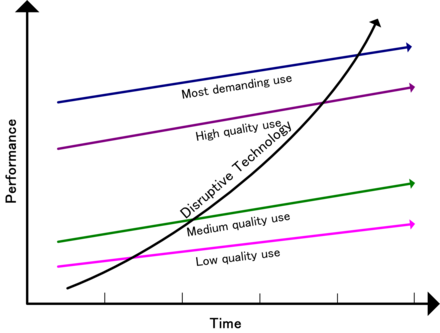

 I believe many of them should be familiar to you as these themes have been “in the air” already for quite some time. Vendors first and slowly companies start to investigate them when relevant. You will find many of them back in my recent series:



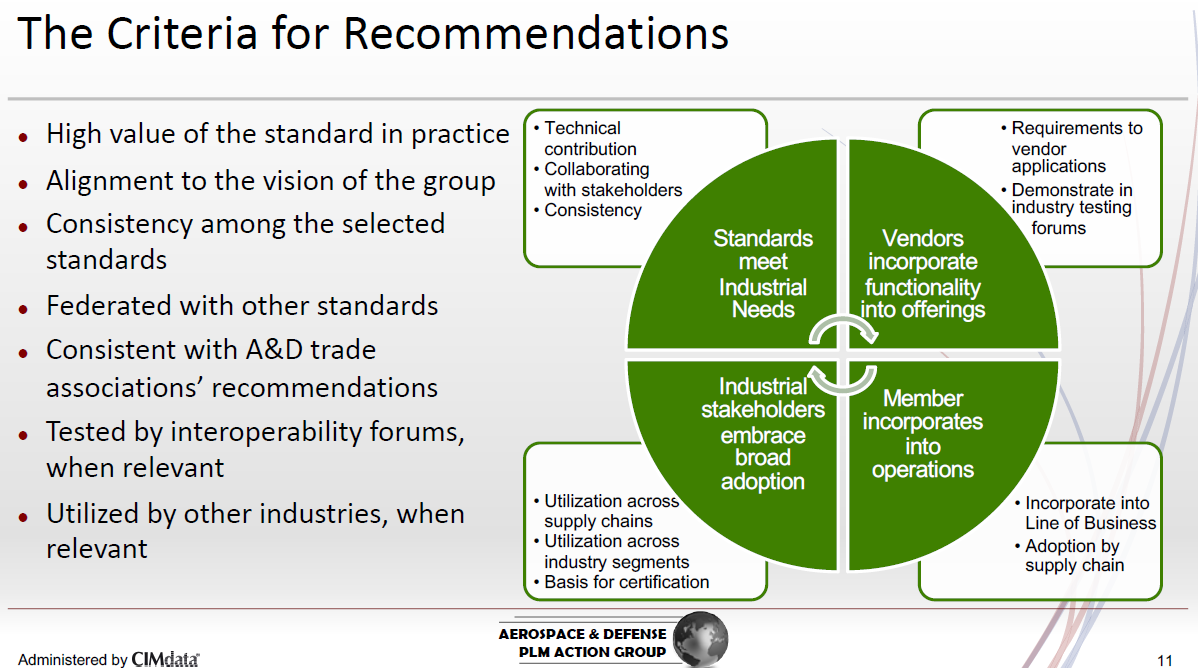
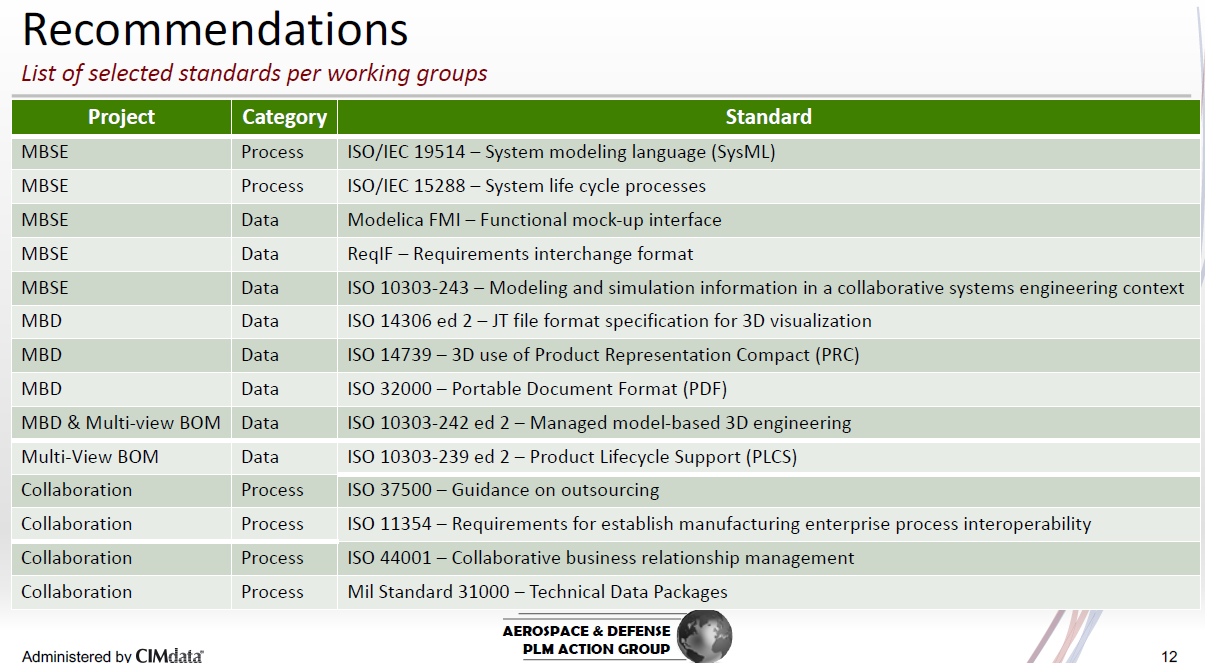
 Like transport before containerization, the exchange of information is not standardized and designed for digital exchange. Torbjorn believes that more and more companies will insist on exchange standards – like
 This conference has always been known for its attention to the circular economy and green thinking. In the past, these topics might have been considered disconnected from our PLM practices; now, they have become a part of everyone’s mission.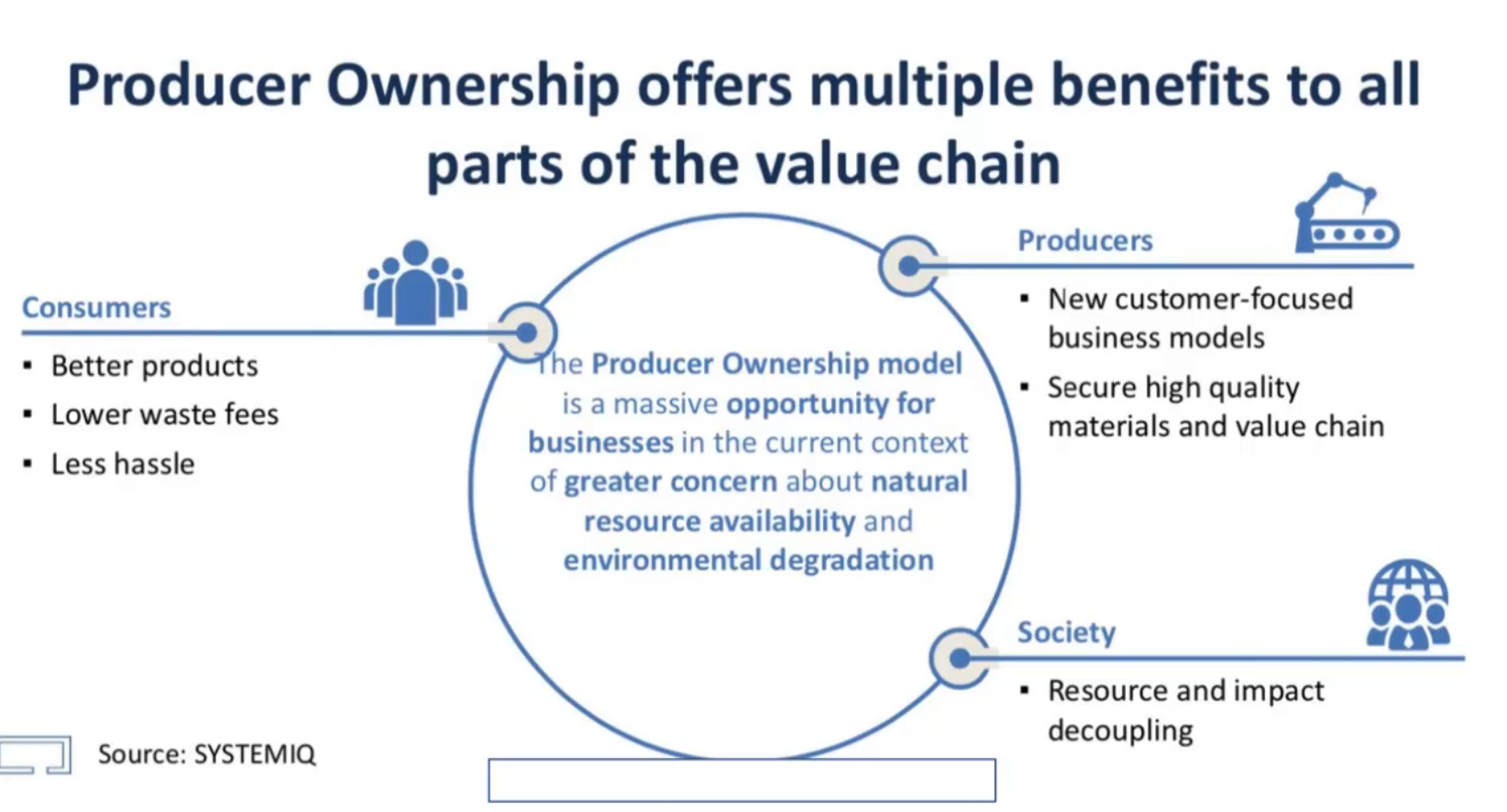
 His thoughts are aligned with what is happening in Europe related to the European Green Deal (not in his presentation). There is a push for a PaaS model for all products as this would be an excellent stimulant for the circular economy. PaaS combined with a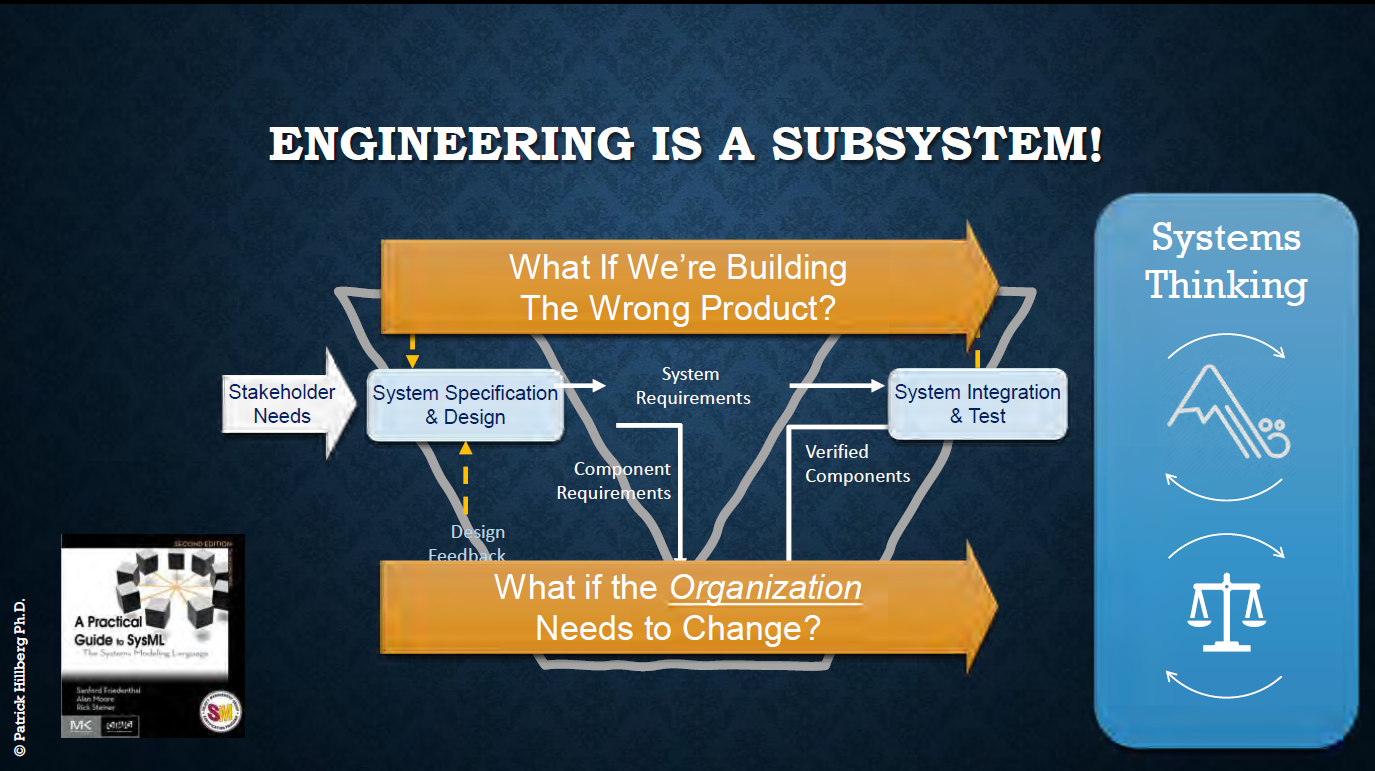

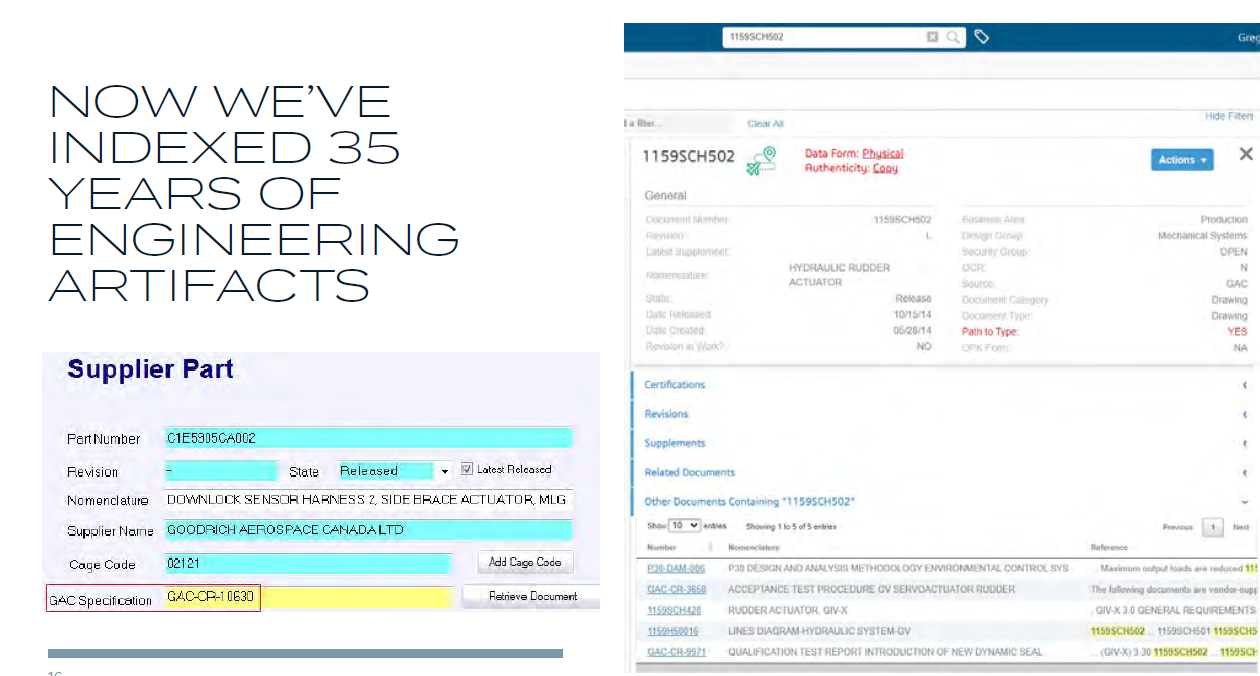
 Warning: Don’t use this by default at home (your company). The data in a regulated industry like Aerospace is expected to be of high quality due to the configuration management processes in place. If your company does not have a strong CM practice, the retrieved data might be inaccurate.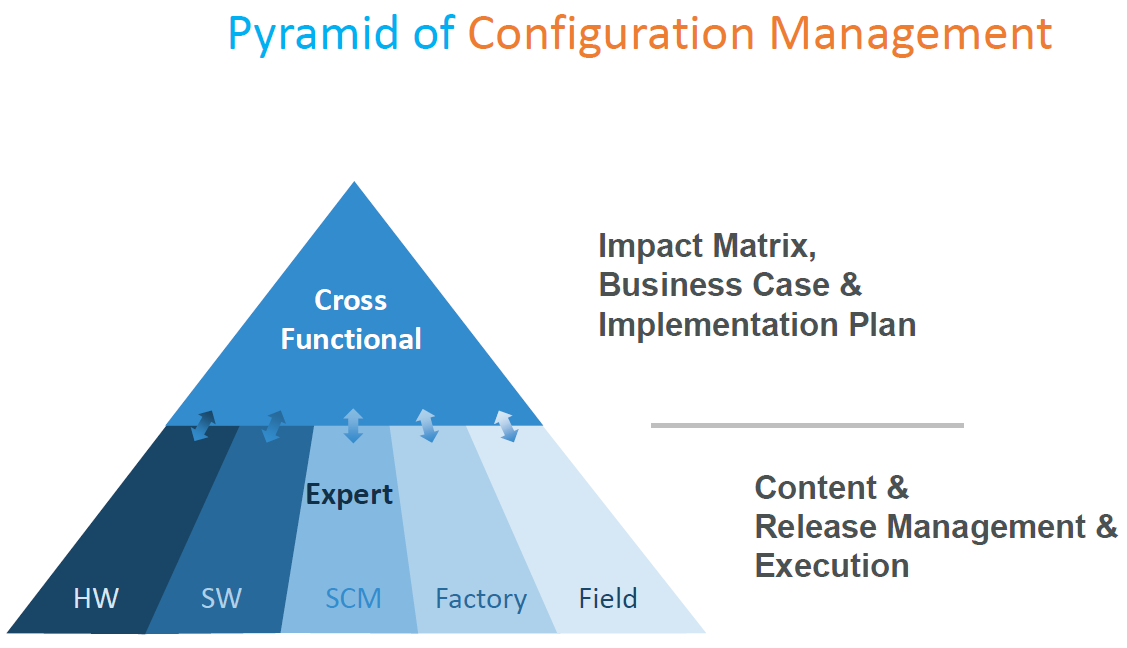
 When I started this series in July, I expected to talk mostly about new ways of working, enabled through a data-driven and model-based approach. However, when analyzing what is needed for such a future (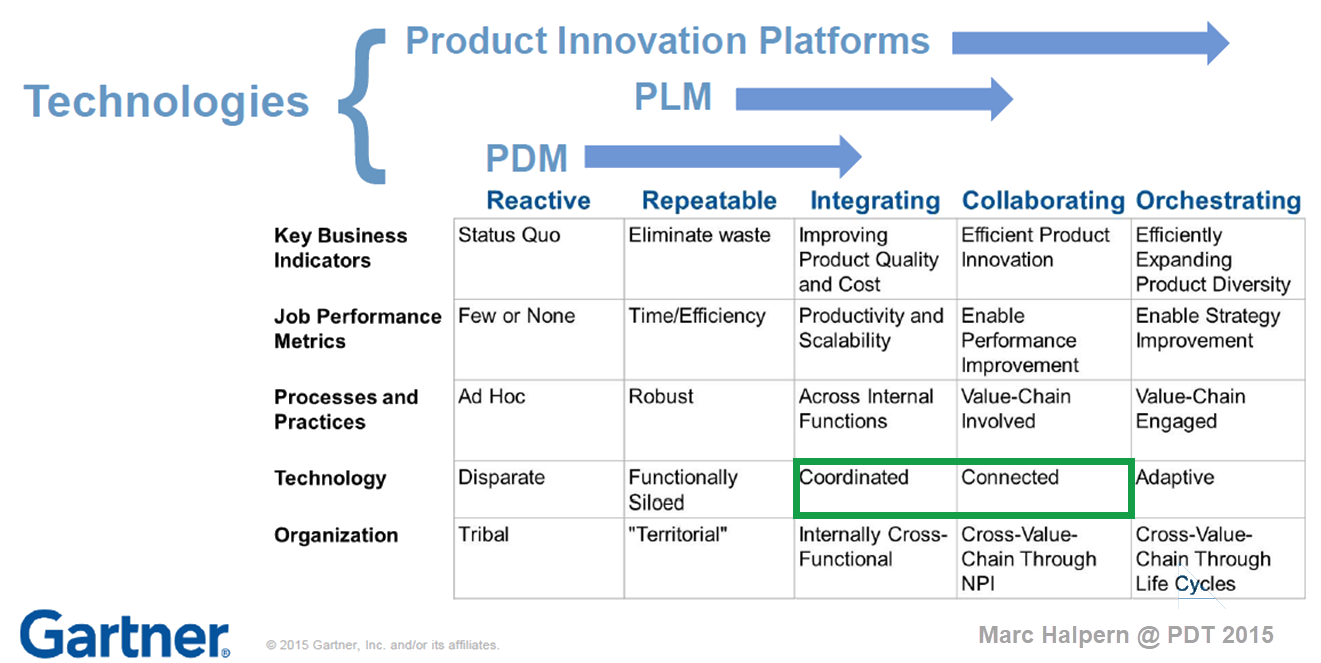

 post:
post: 

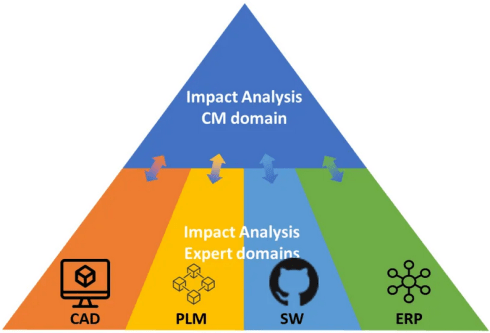

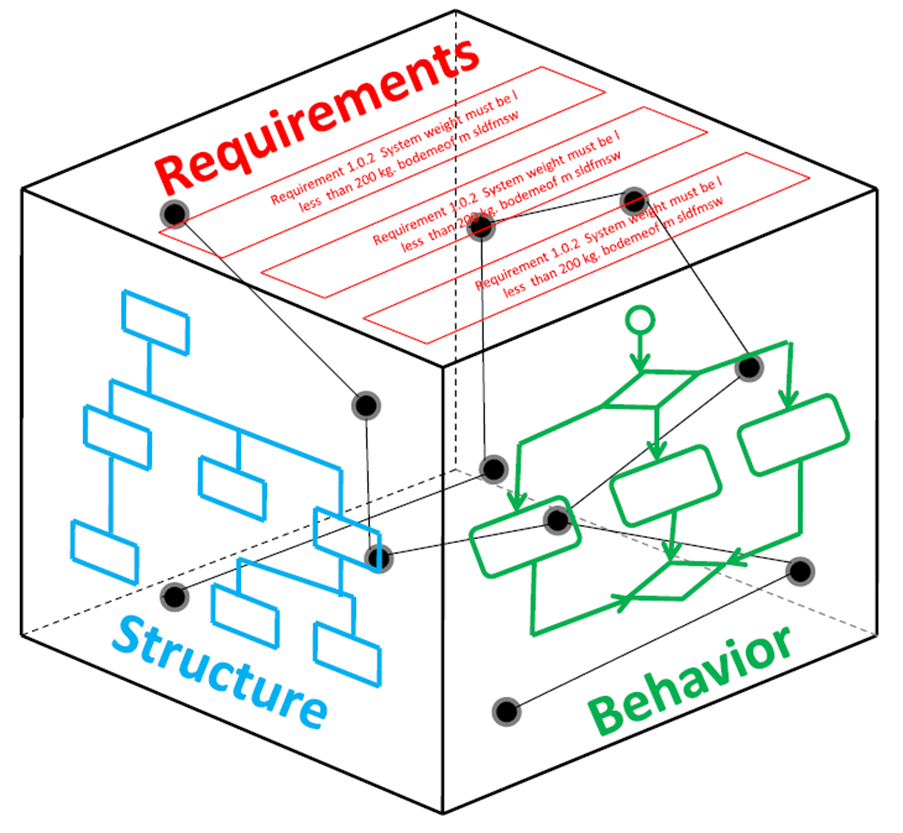
 The transition to a data-driven and model-based infrastructure has raised the following questions:
 I don’t have answers to these questions. I only share observations and trends I see in my actual world.
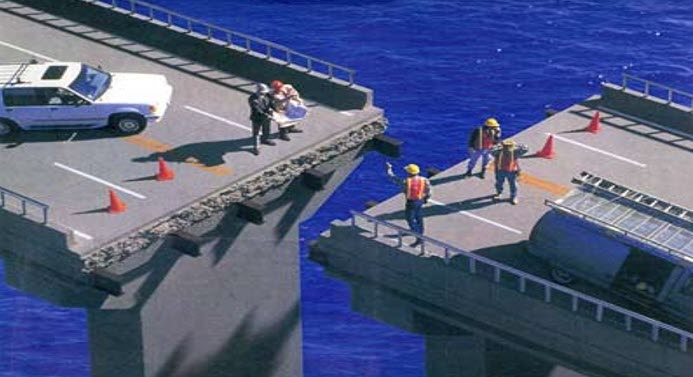
 The image on the left, borrowed from Erik Herzog’s presentation at the PDM Roadmap & PDT Fall conference in 2020, is a good illustration of the challenge.


 Solutions like




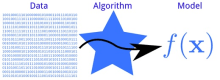 Part of what we call Artificial Intelligence is nothing more than applying algorithms to a model. The more accurate data available, the more “intelligent” the artificial intelligence solution will be.
 By using data analysis complementary to the model, the model may get better and better through self-learning. Like our human brain, it starts with understanding the world (our model) and collecting experiences (improving our model).
 The great benefits of a digital twin for business operations and for sustainability are promoted by many software vendors and consultancy firms.
 Unfortunate a reliable and sustainable implementation of a digital twin requires more than software – it is a learning journey to connect the right data to the right model.
 This statement reminded me of the early days of SmarTeam implementations. With a Data model Wizard, a Form Designer, and a Visual Basic COM API, you could create any kind of data management application with SmarTeam. By using its built-in behaviors for document lifecycle management, item lifecycle management, and CAD integrations combined with easy customizations.
 A lot of my activities between 2003 and 2010 were related fixing the problems related to flexibility, making sense (again) of customizations. I wrote about this in a 2015 post:
  The challenge is that an enthusiastic team creates a (low code) solution rapidly. Immediate success is celebrated by the people involved. However, the future impact of this solution is often forgotten – we did the job, right?
 However, if your friendly co-worker has moved on to another job and someone with different data standards becomes responsible for the data you consume, the reliability might fail. So how do you guarantee its quality?
 However, the strength of being highly flexible is also the weaknesses if not managed and understood correctly. In particular, in a digital enterprise architecture, you need skilled people who guarantee a reliable
  Using new tools based on old processes and existing data is not a digital transformation. Instead, a focus on value streams and their needed (connected) data should lead to the design of a modern digital enterprise, not the optimization and connectivity between organizational siloes.
 In this context, have a look at Lionel Grealou’s s article for Engineering.com:
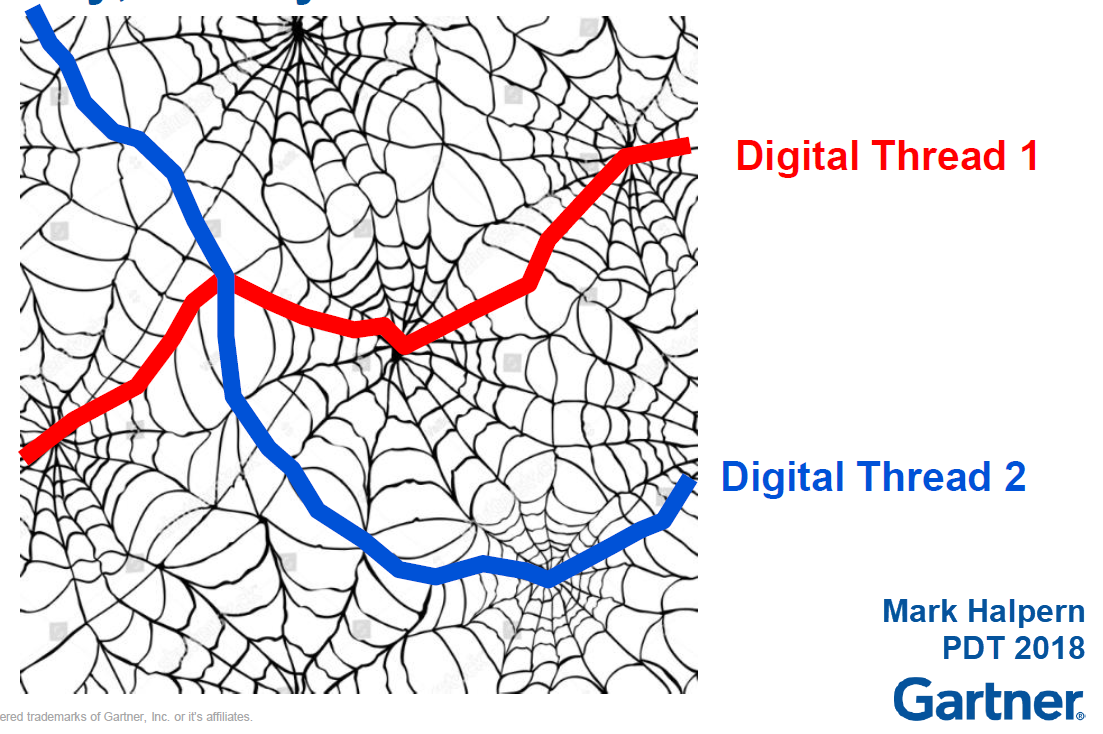
 A final positive remark. The SCAF had renamed itself to SCAF (3DX), showing that even CATIA practices no longer can be considered as a niche – the future of business is to be connected.
 In particular, SAP has always played the IT card (and is still playing it through their
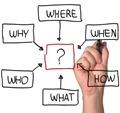 In a modern digital enterprise (to be), the business processes and value streams should be driving the requirements for which systems to use. I was tempted to write “not the IT capabilities”; however, that would be a mistake. We need systems or platforms that are open and able to connect to other systems or platforms. The technology should be there, and more and more, we realize the future is based on connectivity between cloud solutions.
 When it comes to interactions between two or more platforms, for example, between PLM and ERP, between PLM and IoT, but also between IoT and ERP or IoT and CRM, these interactions should first be based on identified business processes and value streams.
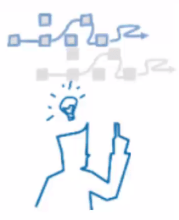 Defining horizontal business processes and value streams independent of the existing IT systems is the biggest challenge in many enterprises. Historically, we have been thinking around a coordinated way of working, meaning people shifting pieces of information between systems – either as files or through interfaces.
 The interfaces need to be data-driven in a digital enterprise; we do not want human interference here, slowing down or modifying the flow. This is the moment Master Data Management and Data Governance comes in.
 Some traditional standards, like the

 Jos Voskuil's Weblog
[…] (The following post from PLM Green Global Alliance cofounder Jos Voskuil first appeared in his European PLM-focused blog HERE.) […]
[…] recent discussions in the PLM ecosystem, including PSC Transition Technologies (EcoPLM), CIMPA PLM services (LCA), and the Design for…
Jos, all interesting and relevant. There are additional elements to be mentioned and Ontologies seem to be one of the…
Jos, as usual, you've provided a buffet of "food for thought". Where do you see AI being trained by a…
Hi Jos. Thanks for getting back to posting! Is is an interesting and ongoing struggle, federation vs one vendor approach.…