
 December is the last month when daylight is getting shorter in the Netherlands, and with the end of the year approaching, this is the time to reflect on 2025.
For me, it has been an interesting year, and I hope it has been similar for you. I started 2025 with this post: My 2025 focus, sharing the topics that would drive my primary intentions—a quick walk through some of these topics and what to reflect on what I have learned.
Fewer blog posts
 It was already clear that AI-generated content was going to drown the blogging space. The result: Original content became less and less visible, and a self-reinforcing amount of general messages reduced further excitement.
As I have no commercial drive to be visible, I will continue to write posts only when relevant to personal situations or ideas, with the intention of being shared and discussed with the readers of my posts – approximate 26 / year.
 Therefore, if you are still interested in content that has not been generated with AI, I recommend subscribing to my blog and interacting directly with me through the comments, either on LinkedIn or via a direct message.
More podcast recordings
 Together with the Share PLM podcast team, Beatriz Gonzales and Maria Morris, we enjoyed talking with a large variety of people active in PLM, all having their personal stories related to PLM to share—each episode ending with an experience to share and a desired takeaway for the listeners. We did it with great pleasure and learned from each episode.
You can find all the recordings from 2025 (Season 3) here.
 In Season 4, we want to add the C-level perspective to our PLM and People podcast discussions.
#DataCentric or #PeopleCentric ?
 It was PeopleCentric first at the beginning of the year, with the Share PLM Summit in Jerez and DataCentric in the second half of the year, with activities connected to the PLM Roadmap/PDT Europe conference in Paris.
In case you missed the excitement and lessons learned, here they are:
- The weekend after the Share PLM Summit 2025
- A week after Shaping the Future of PLM – No time to lose!
- A very long week after PLM Roadmap / PDT Europe 2025
Both topics will become even more critical due to the impact of AI tools on our day-to-day work.
Sustainability?
 Already an uncomfortable term for some of us at the beginning of 2025, it has become one of the best-kept secrets of 2025. Where traditional countries and companies revert to their short-term bad habits – optimize shareholders value, there are also forward-looking enterprises that are actively rephrasing their sustainable strategies as risk mitigation strategies with the awareness that adaptation is inevitable. Better start early than too late – not a typical human strategy.
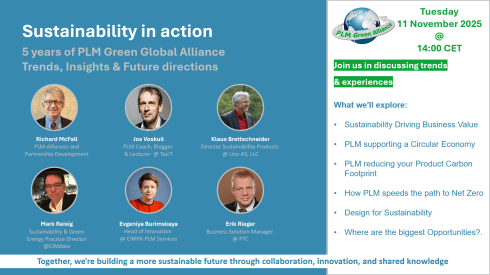
In case you are interested, I recommend you read and listen to:
And now it is time to discuss AI.
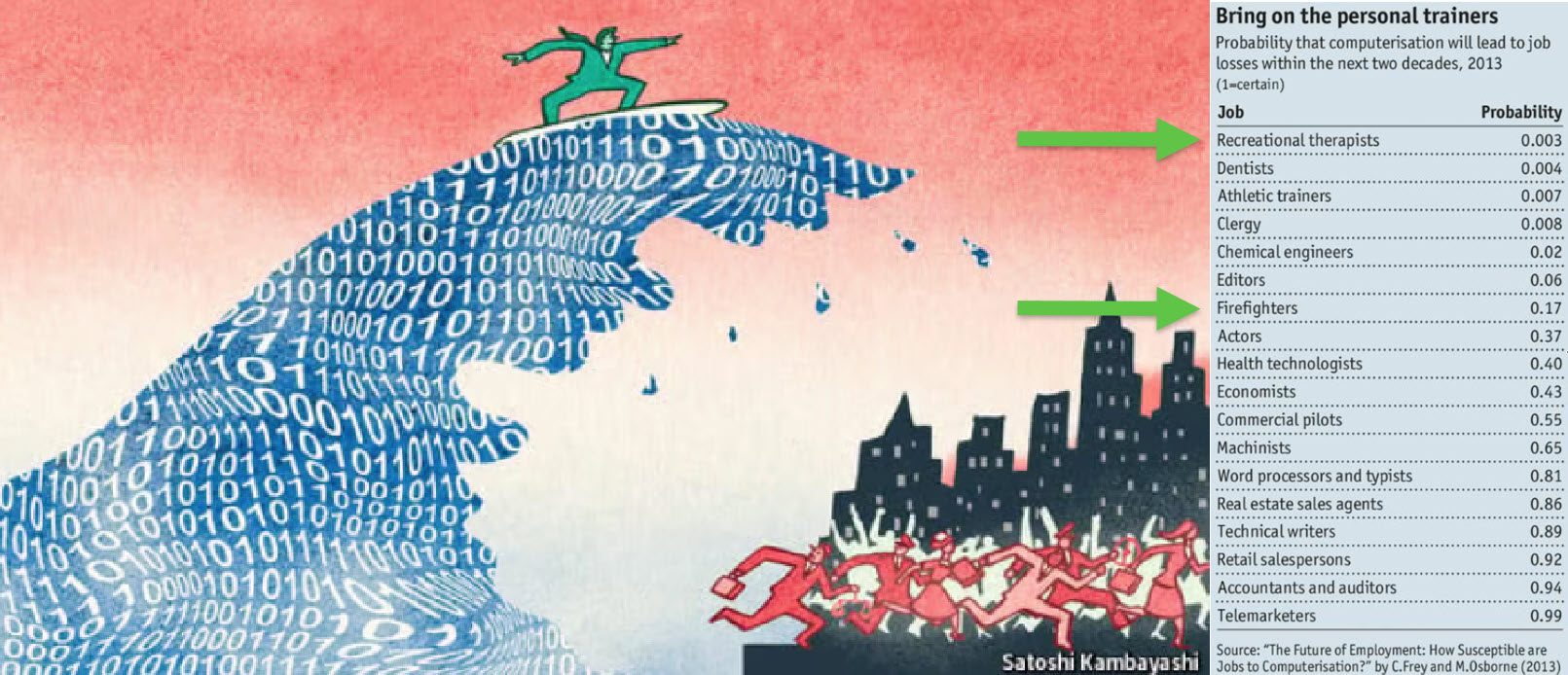
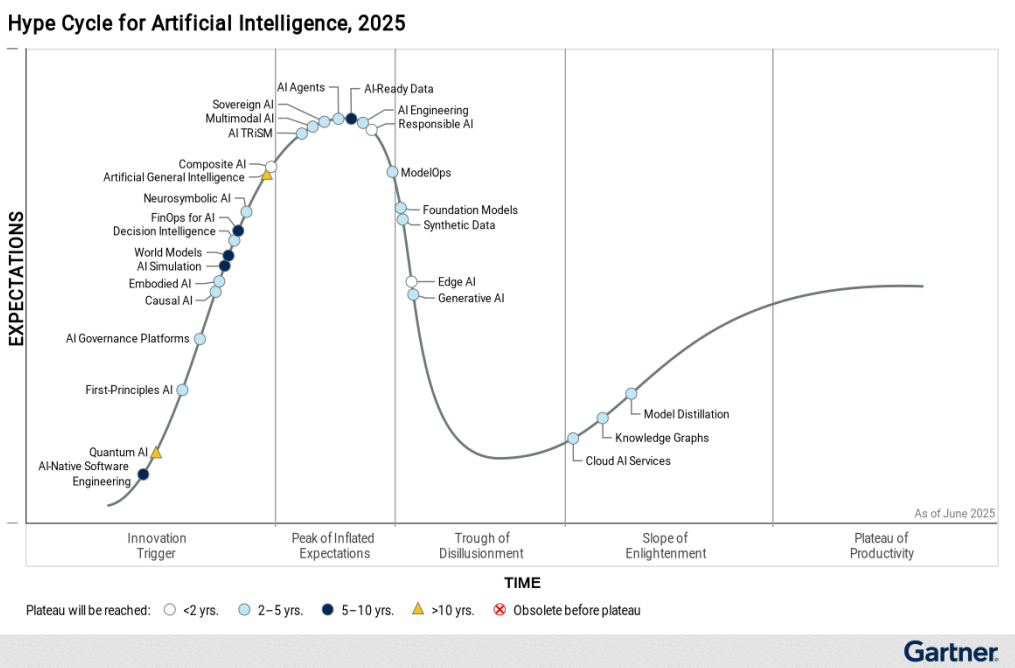 With all the investments and marketing related to AI, it is unavoidable to neglect it. For sure, it is a hype, but I believe that we are into something revolutionary for society, like the impact of the industrial revolution on our society 150 years ago.
However, there are also the same symptoms of the .com-hype 25 years ago.
 Who are going to be the winners? Currently, the hardware, datacenter and energy providers, not the AI-solution providers. But this can change.
Let’s look into some of the potential benefits.
Individual efficiency?
 Many of the current AI tools allow individuals to perform better at first sight. Suddenly, someone who could not write understandable (email) messages, draw images or create structured presentations now has a better connection with others—the question to ask is whether these improved efficiencies will also result in business benefits for an organization.
 Looking back at the introduction of email with Lotus Notes, for example, email repositories became information siloes and did not really improve the intellectual behavior of people.
Later, Microsoft took over the dominant role as the office software provider with enhanced search and storage capabilities, but still, most of the individual knowledge remained hidden or inaccurate as it missed the proper context.
 As a result of this, some companies tried to reduce the usage of individual emails and work more and more in communities with a specific context. Also, due to COVID and improved connectivity, this led to the success of Teams. And now with Copilot embedded in the Microsoft suite, I am curious to learn what companies perceive as measurable business benefits.
The chatbot?
 For many companies, the chatbot is a way to reduce the number of people active in customer relations, either sales or services. I believe that, combined with the usage of LLMs, an improvement in customer service can be achieved. Or at least the perception, as so far I do not recall any interaction with a chatbot to be specific enough to solve my problem.
The risks with AI?
 Now I may sound like a boomer who started focusing on knowledge management 25 years ago – exploring tacit knowledge.
Tacit knowledge is the knowledge a real expert has by combining different areas of expertise and understanding what makes sense.
Could tacit knowledge be replaced by an external model that gives you all the (correct?) answers?
In verifiable situations, we know when the model is hallucinating – but what if the scope is beyond our understanding? Would we still rely on AI, and could AI be manipulated in ways that we lose touch with the real facts?
Already, the first research papers are coming out warning of reduced human cognitive performance, e.g., this paper: Beware of Metacognitive Laziness: Effects of Generative Artificial Intelligence on Learning, Motivation, Processes, and Performance.
Combined with laziness (a typical human behavior – system 1), these results made me think of a statement made by Sean Illing:
“People love the truth, but they hate facts.”
A statement highly relevant to what we see happening now with social media – we do not think or research deep enough anymore, we select the facts that we like and consider them our truth.
What happens in our PLM domain?
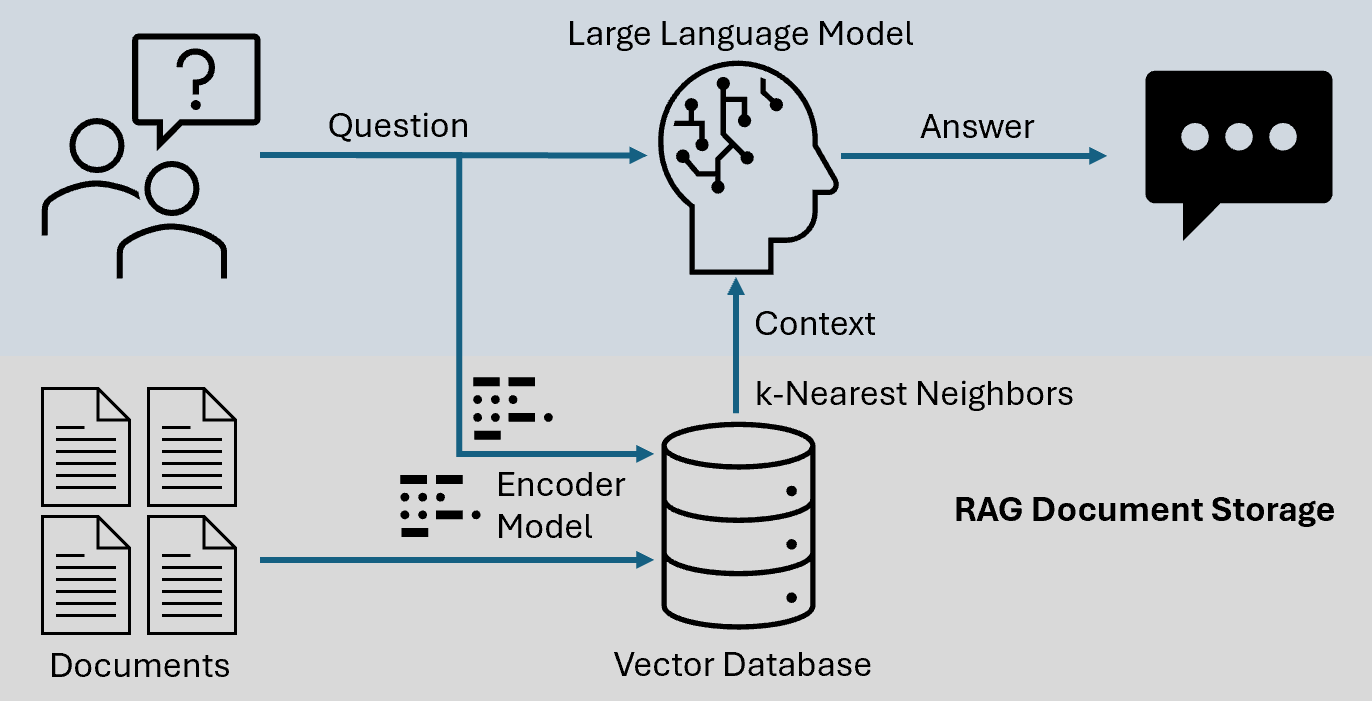 In the PLM domain, companies are indeed reluctant to use LLMs directly, where some of them use RAG (Retrieval-Augmented Generation) to feed the LLM with a relevant context.
Still, the answers require human interpretation, as you cannot avoid hallucinations in your product lifecycle management processes.
As long as the results are based on inconsistent data sources that lack the relevant context, the answers are of low quality.
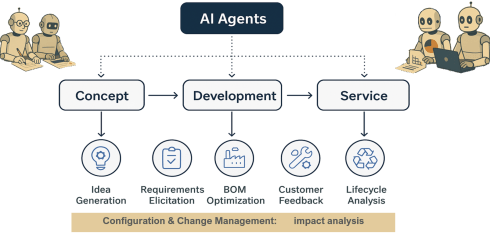
Meanwhile, every vendor in the PLM space is now offering AI-agents, most of the time within their own portfolio space. The ultimate dream is polygot agents (who are buying them / who are developing them) that can work together and create a new type of agility beyond traditional workflows. An interesting article in this context comes from Oleg Shilovitsky: Why Does PLM Need Task Re-Engineering Before It Can Have AI?
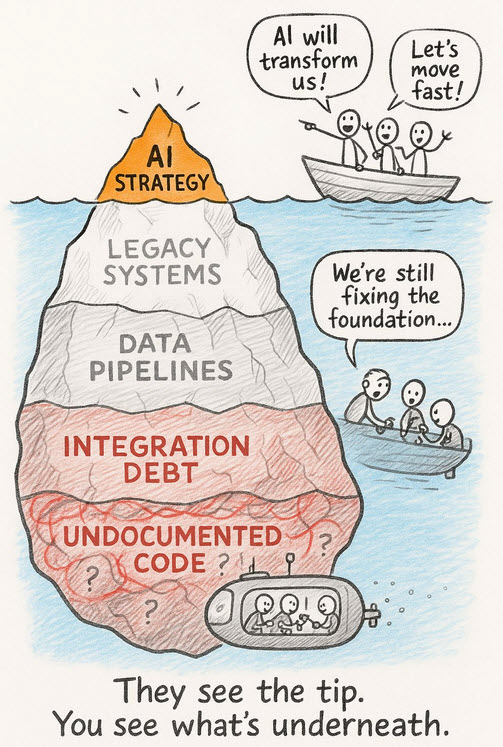
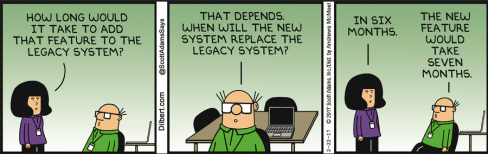
Still, these potential “quick” fixes create a risk for companies in the long term. Buying AI tools does not fix the foundation that is based on legacy.
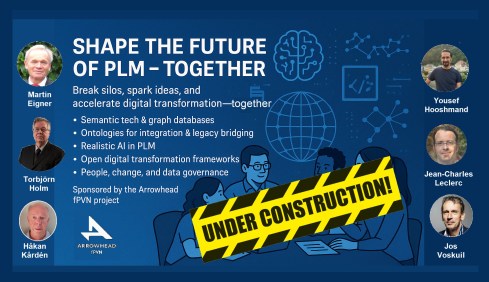
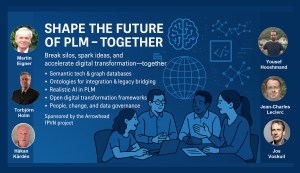
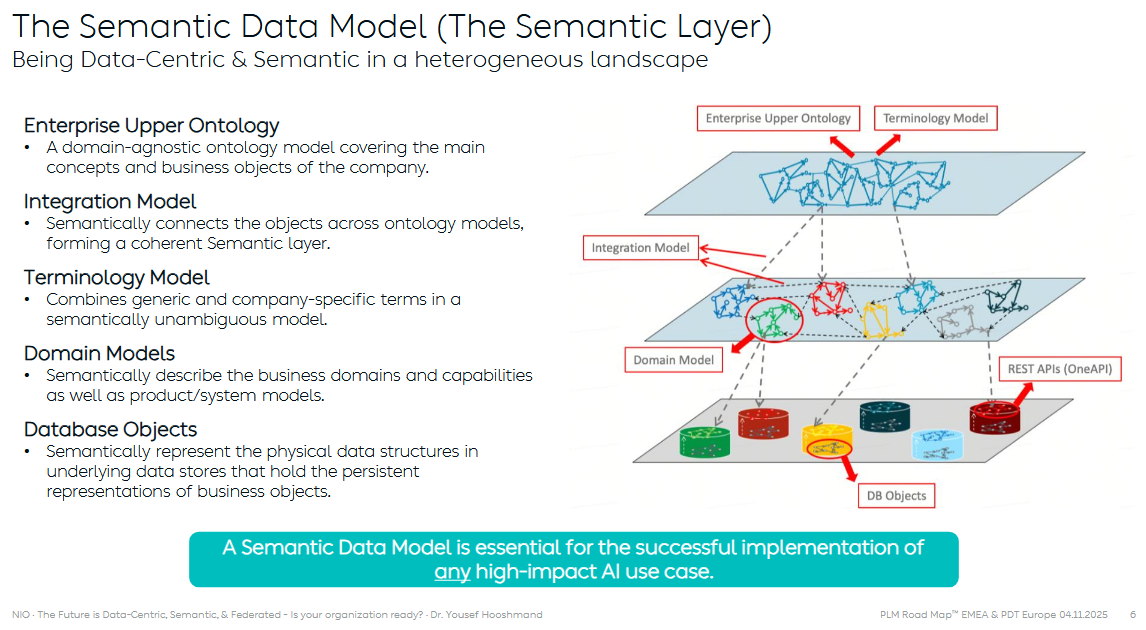
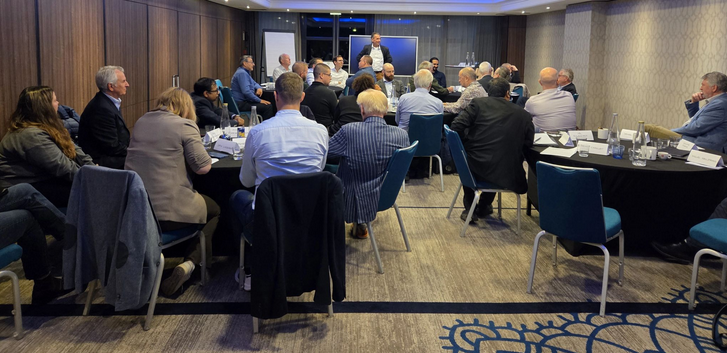
In particular, related to the Shape the Future of PLM – Together workshop in Paris on Nov 4th, the consensus was that companies need to invest in understanding and implementing domain-specific ontologies and semantic models to provide a data-driven infrastructure that allows AI to make accurate decisions or valid recommendations.
You can read the summary of the event and recommendations here: Accelerating the Future of PLM & ALM on the ArrowHead’s website.
You can also read this post from Ole Olesen-Bagneux: Why will 2026 be the year of the ontologist?
 Although the topics in the workshop might look “too advanced” for your company, they are crucial to transform into a long-term, sustainable, data-driven, model-based, and AI-supported enterprise.
Somewhere, you have to cross the chasm from documents to data in context.
Being busy is not an excuse, as you can also read in Thomas Nys’s LinkedIn post: Your Engineers spend 40 % of their time maintaining yesterday’s shortcuts. And you’re wondering why your AI initiative isn’t moving faster. I loved the image.
Human Resources?
The AI revolution will have an impact on society, and it is up to us individuals how well we adapt.
 Remember, the first 50 – 100 years of the Industrial Revolution made only a few people extremely rich. James Watt, the Rothschild family, Andrew Carnegie, John D. Rockefeller, Cornelius Vanderbilt, J.P. Morgan, Alfred Krupp and the Schneider family became so rich due to ownership of factories and machinery, the control of raw materials (coal, iron, oil), the use of new technology (steam power, mechanization) combined with access to cheap labor and weak labor laws and limited competition early on.
Most humans moved into urbanized areas to become nothing but cheap resources, even children. And remember, many of us are still human resources!
A new conspiracy?
 In 2016, Ida Auken’s lecture at the WEF created traction during COVID among people who believed in conspiracies. Her story focused on a more circular economy with respect for the Earth’s resources. The story was framed into the message:
“In the future, you will own nothing and be happy.”
The conspiracy theorist believed all their possessions would be taken away by the elite in the long term.
I want to conclude with a new message for these conspiracy theorists active on X or other discussion fora:
“In the future, you will know nothing, and you won’t be aware enough to care.”
Conclusion
2026 is going to be an interesting year, where we cannot allow ourselves to sit still and watch what is happening. Active participation is more challenging but also more rewarding than being a consumer. In May 2026, I hope to meet some of you at the Share PLM Summit in Jerez and share the human side, followed by the PDM Roadmap/PDT Europe conference in Q4 in Gothenburg, where we will catch up on the technical and data side.
I am wishing you all a wise and happy/healthy 2026


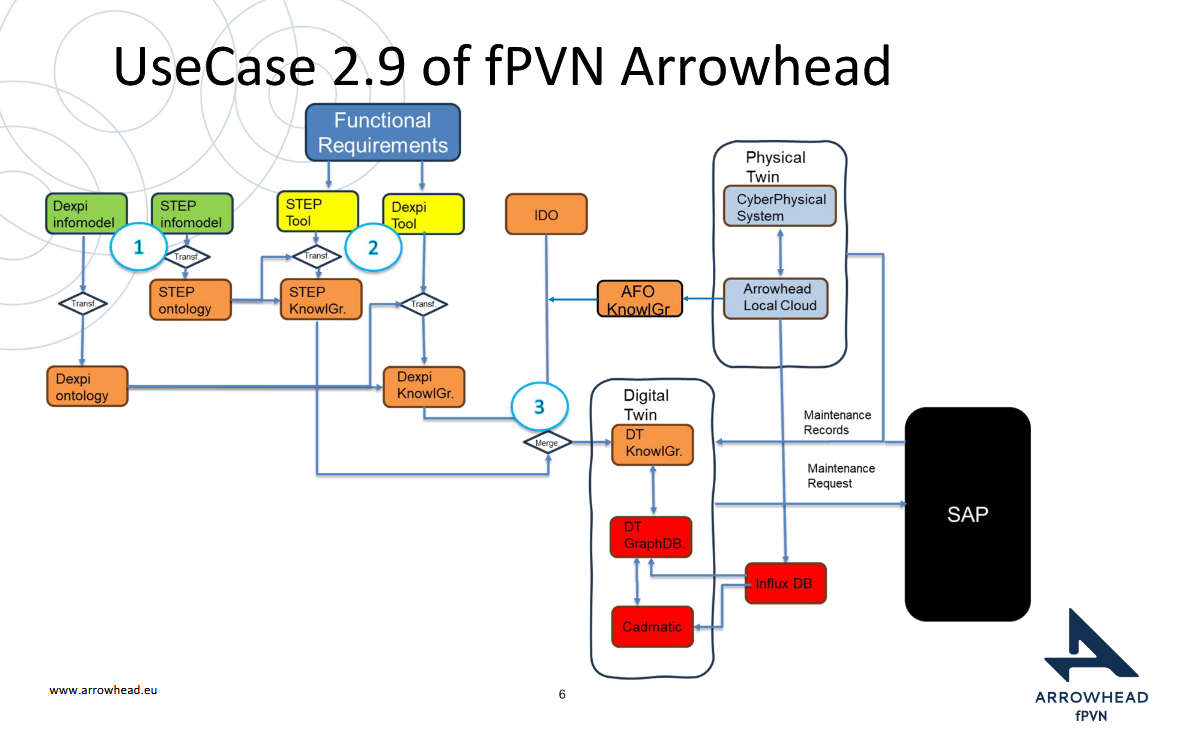
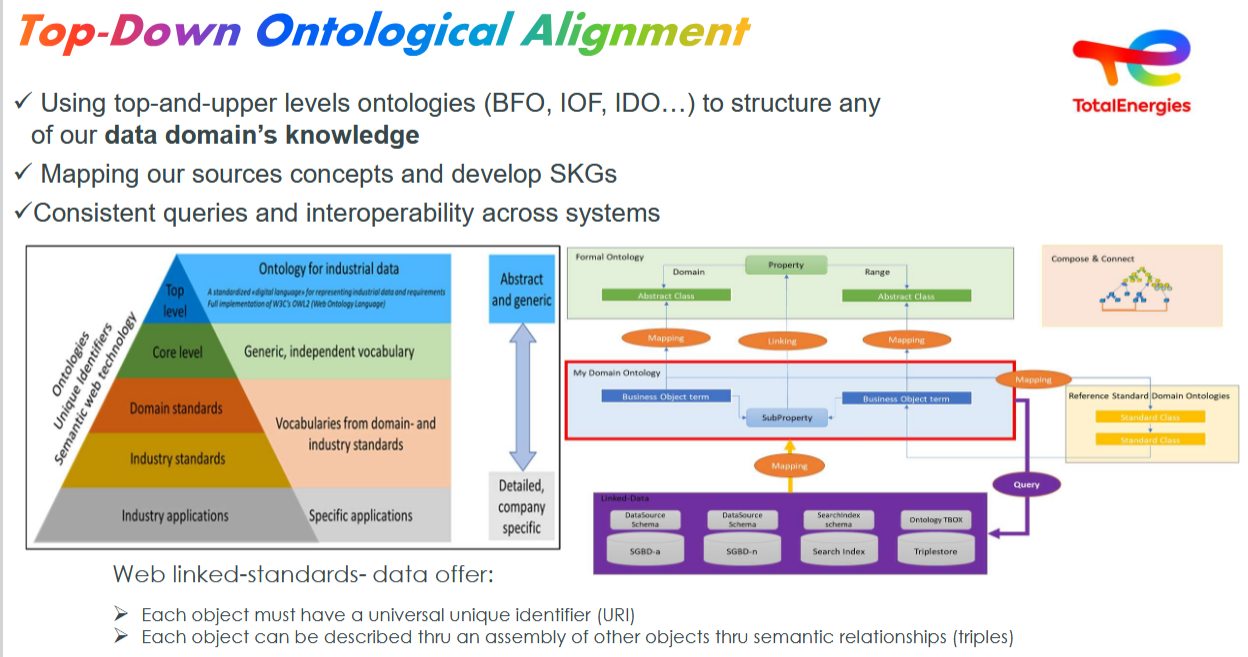
 My conclusion from that post was that day 1 was a challenging day if you are a newbie in the domain of PLM and data-driven practices. We discussed and learned about relevant standards that support a digital enterprise, as well as the need for ontologies and semantic models to give data meaning and serve as a foundation for potential AI tools and use cases.
 Note: I try to avoid the abbreviation PLM, as many of us in the field associate PLM with a system, where, for me, the system is more of an IT solution, where the strategy and practices are best named as product lifecycle management.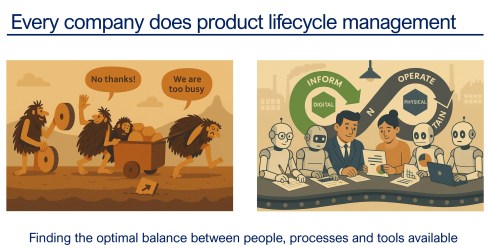
 Day 2 started energetically with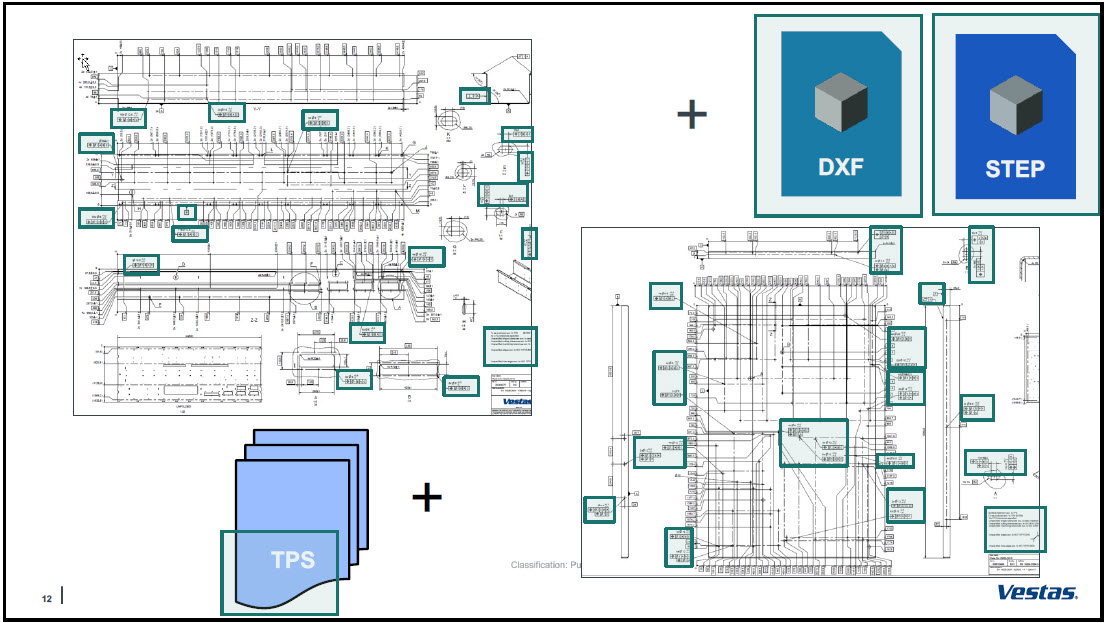
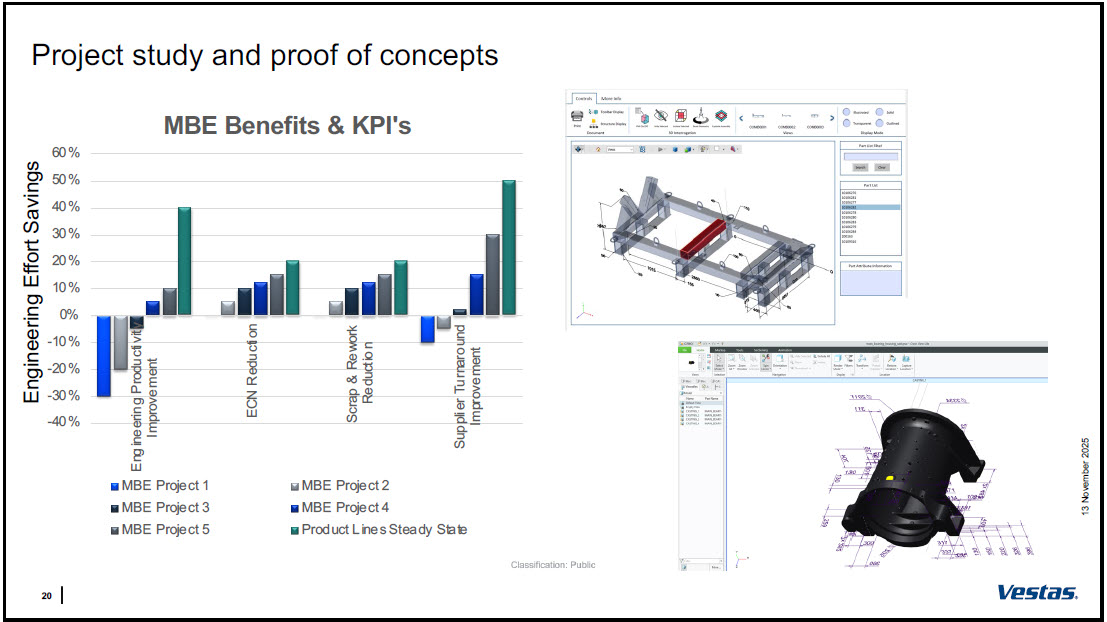
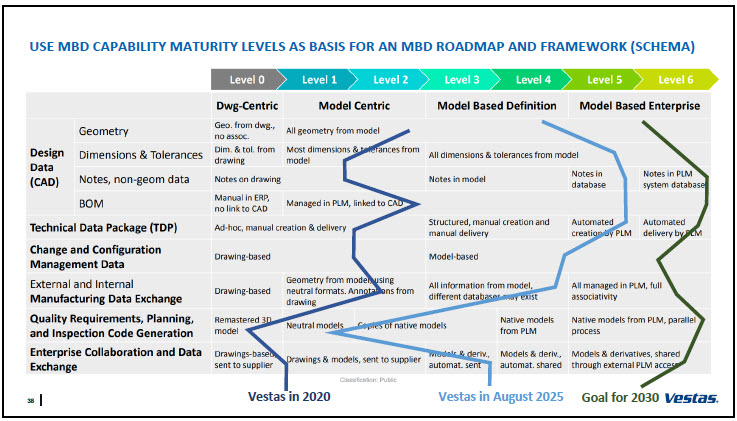

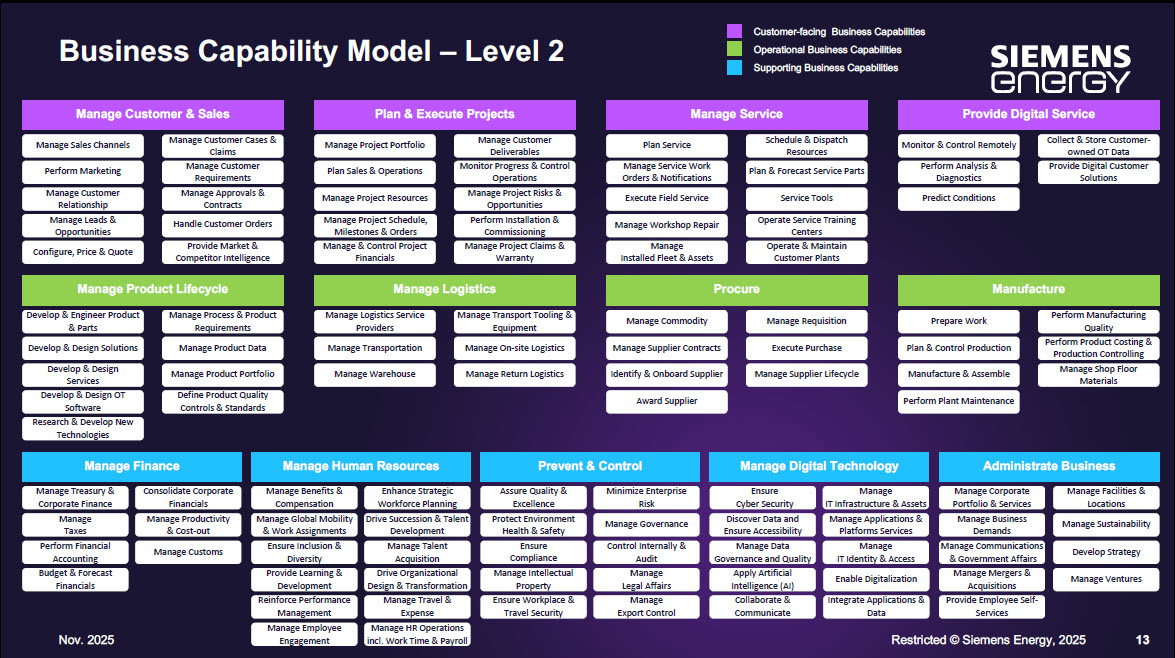
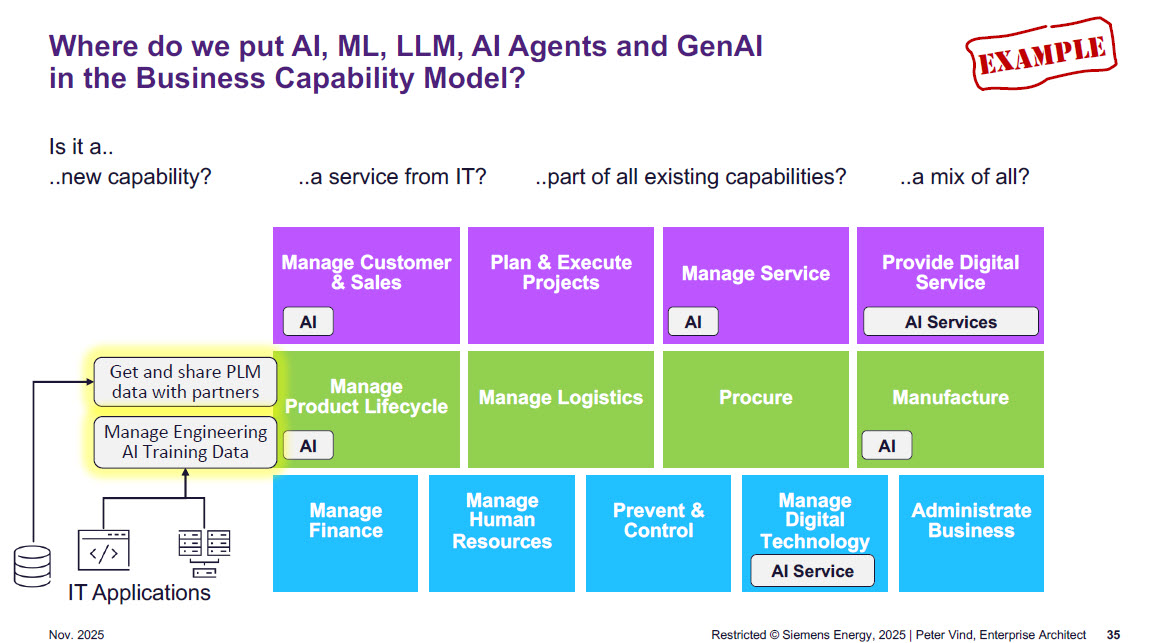

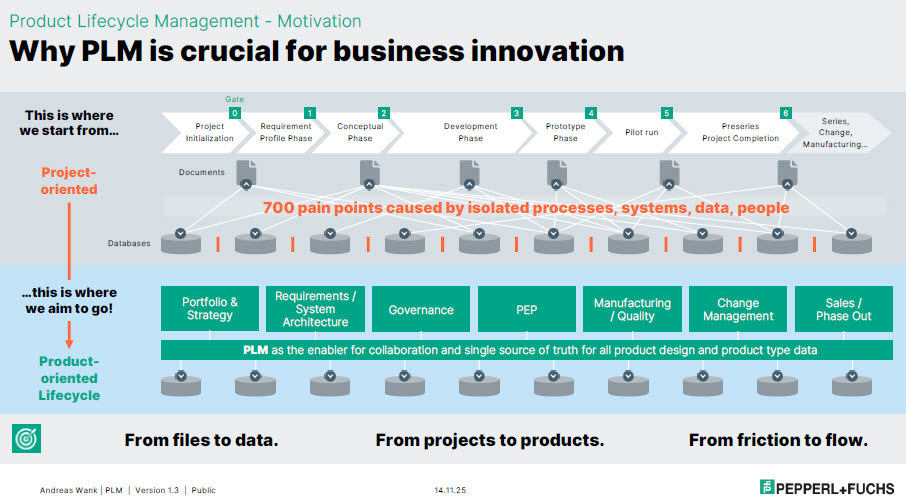
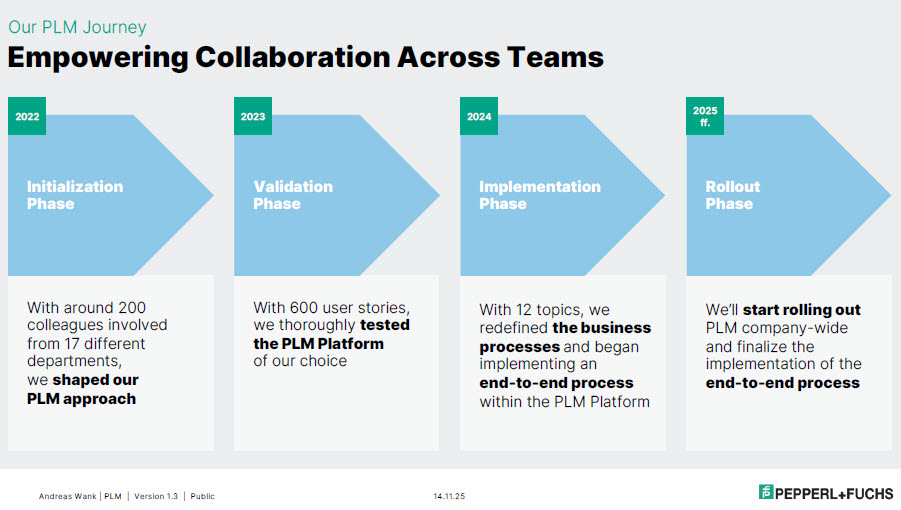
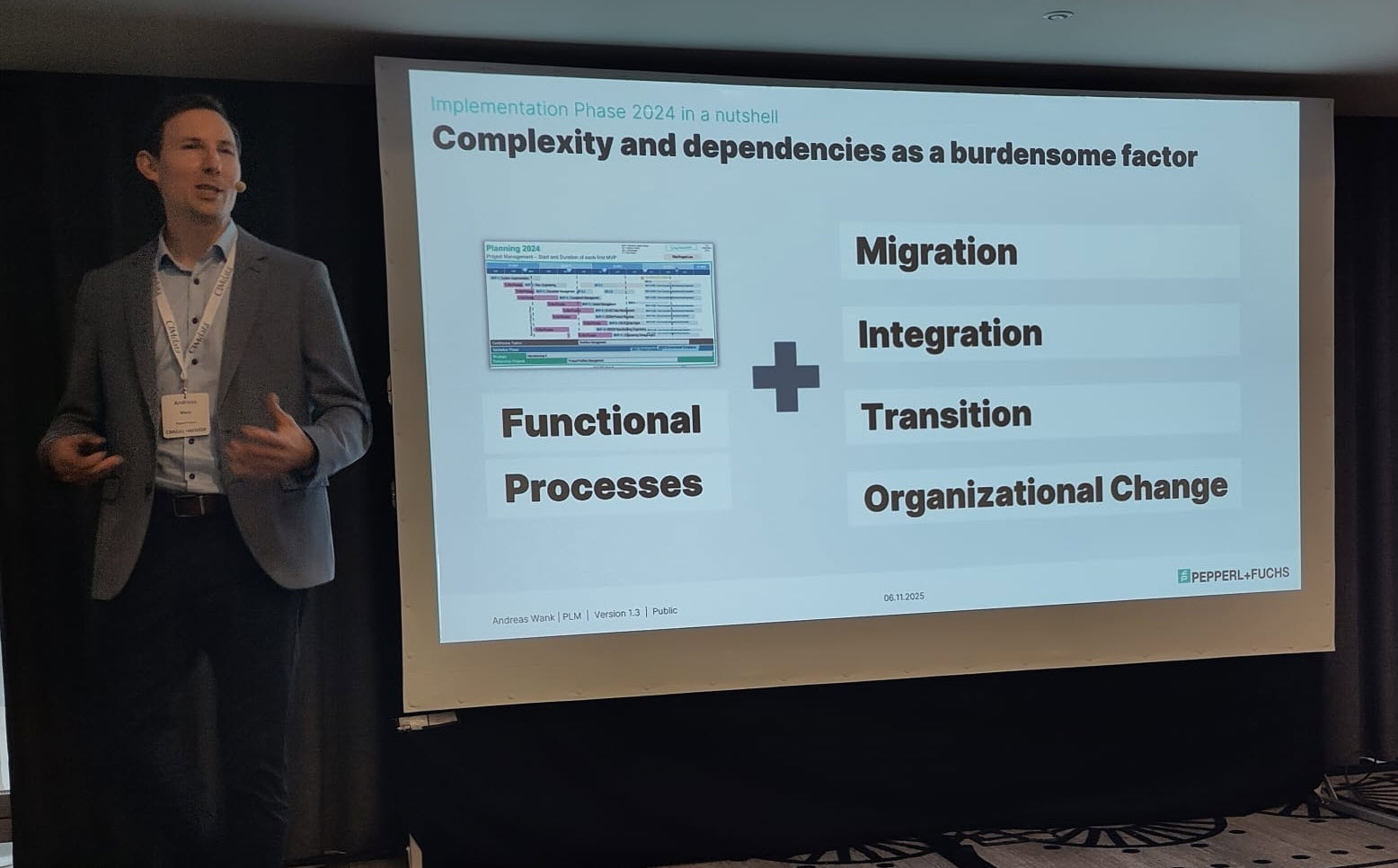
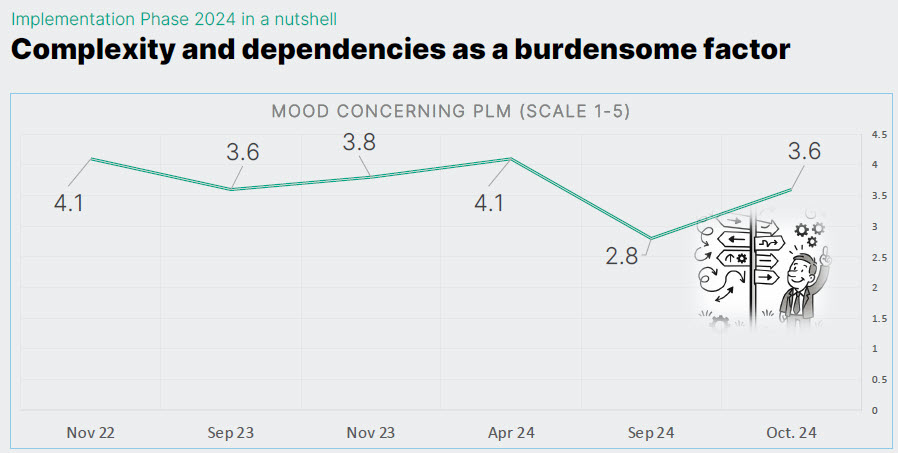

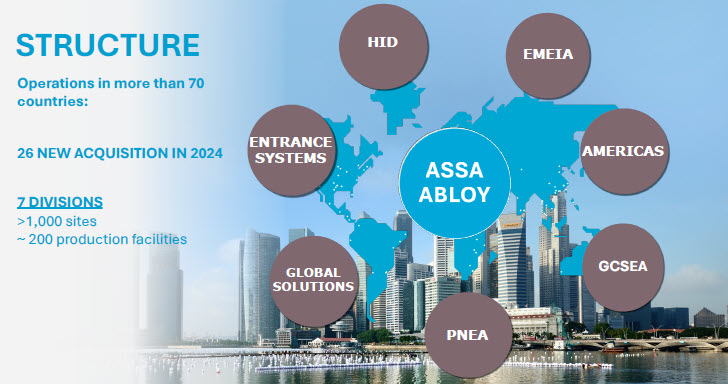
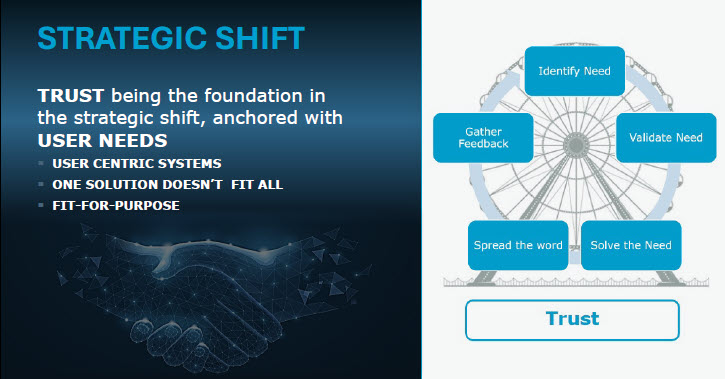
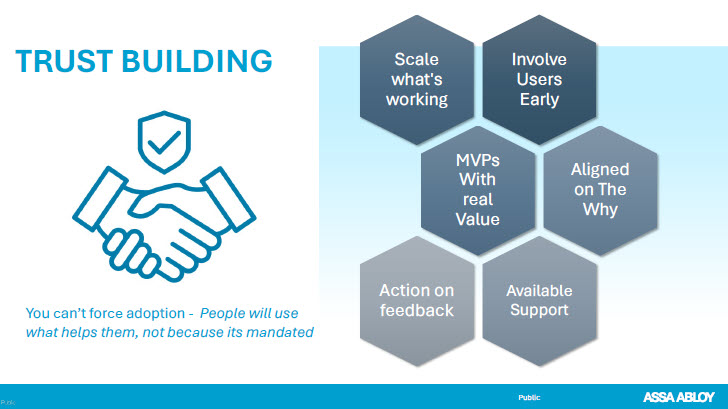




 Combined with the traditional dinner in the middle, it was again a great networking event to charge the brain. We still need the brain besides AI. Some of the highlights of day 1 in this post.
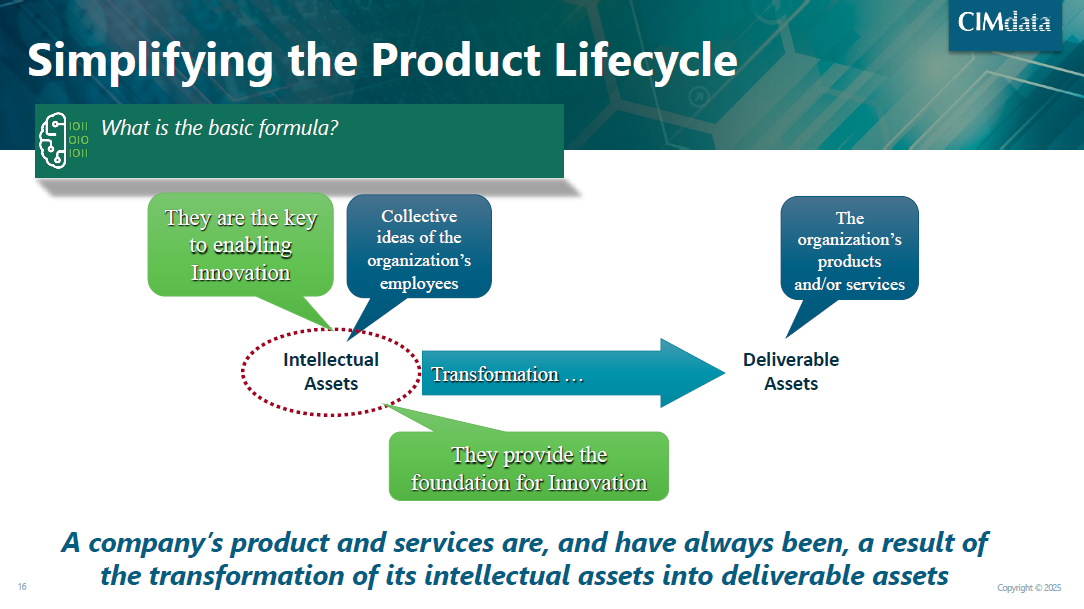

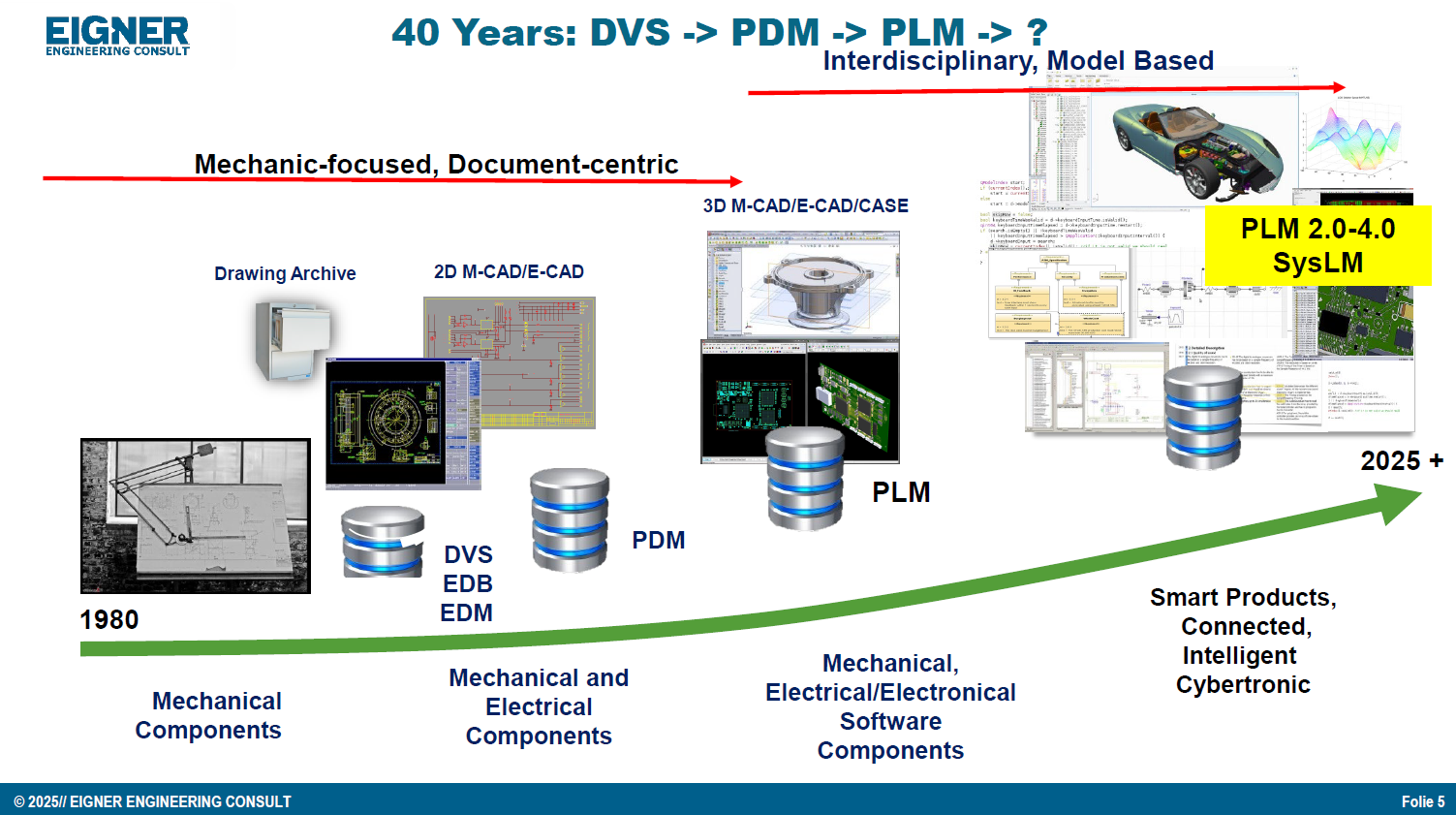
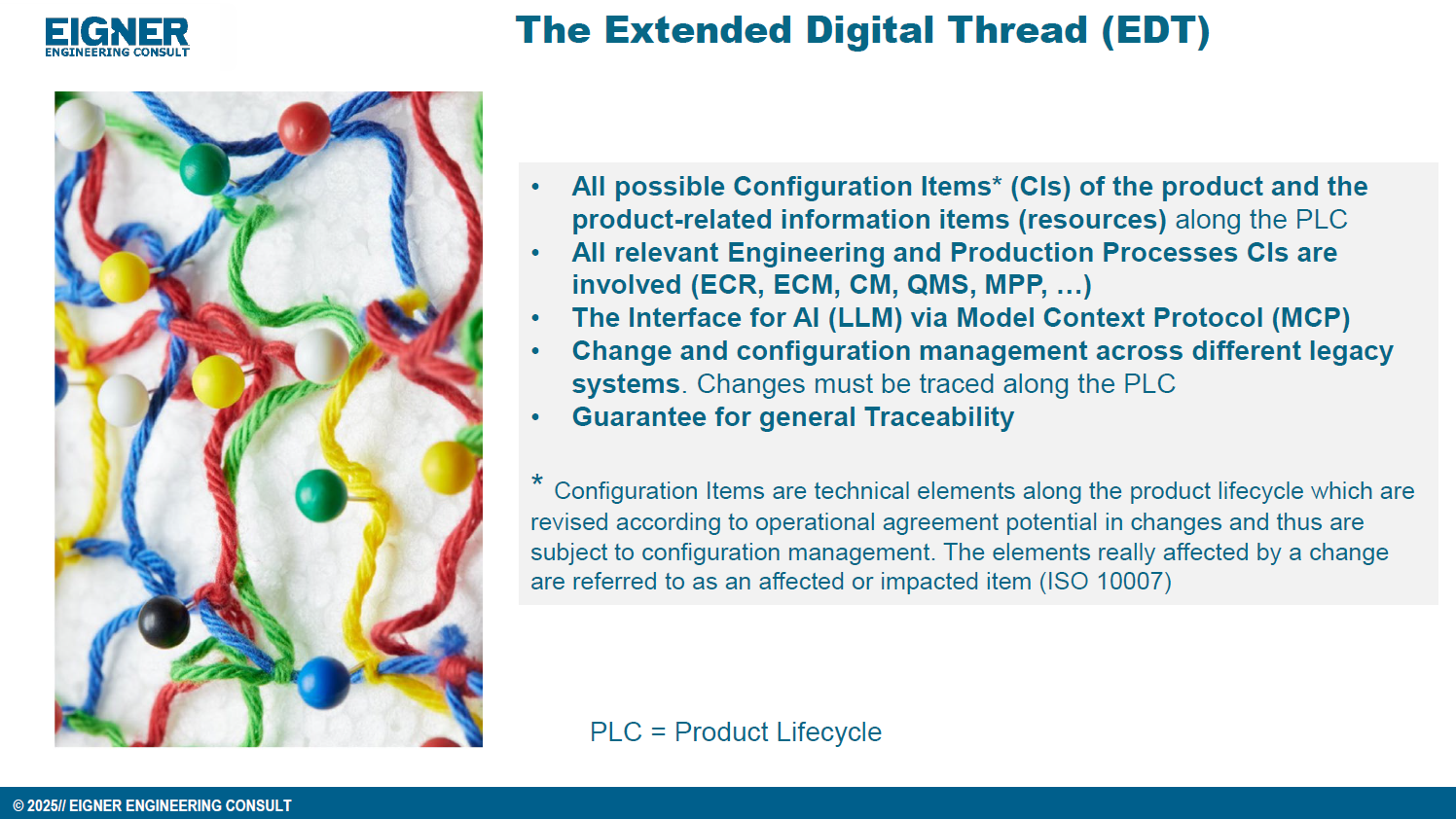
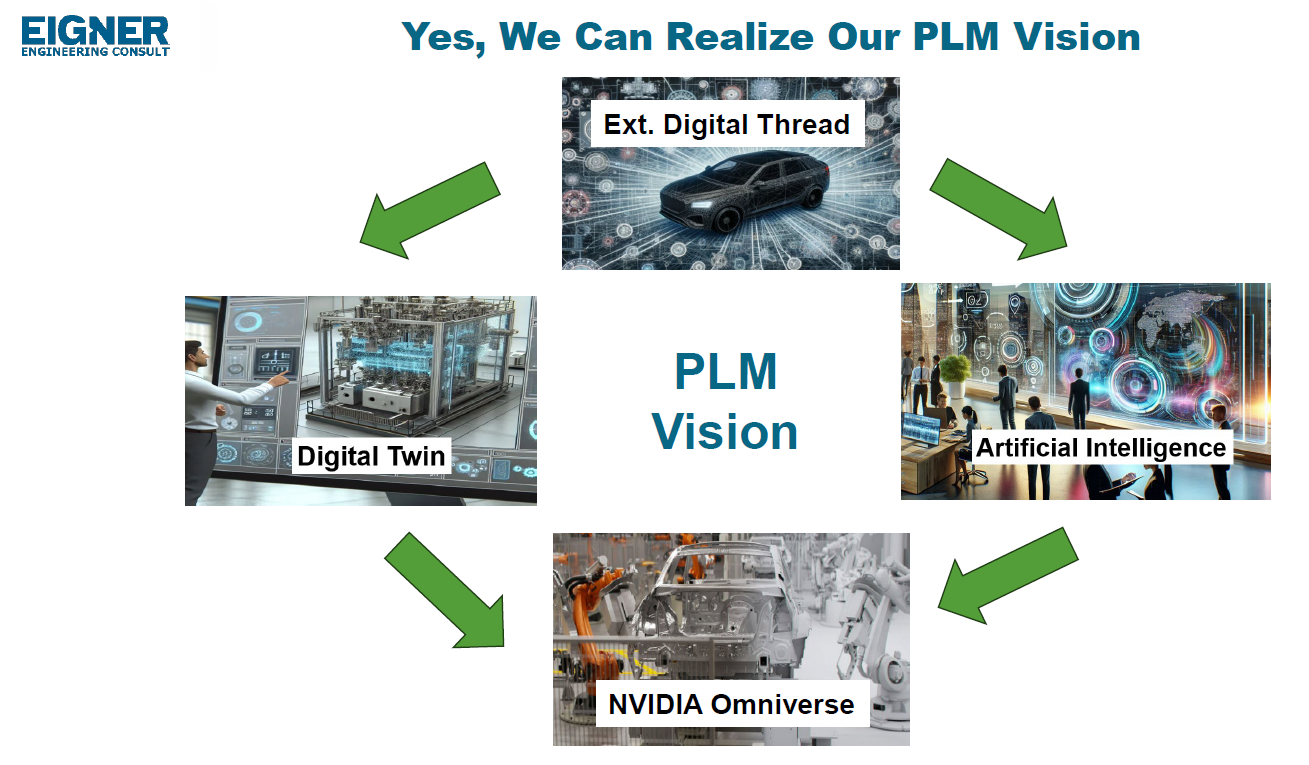

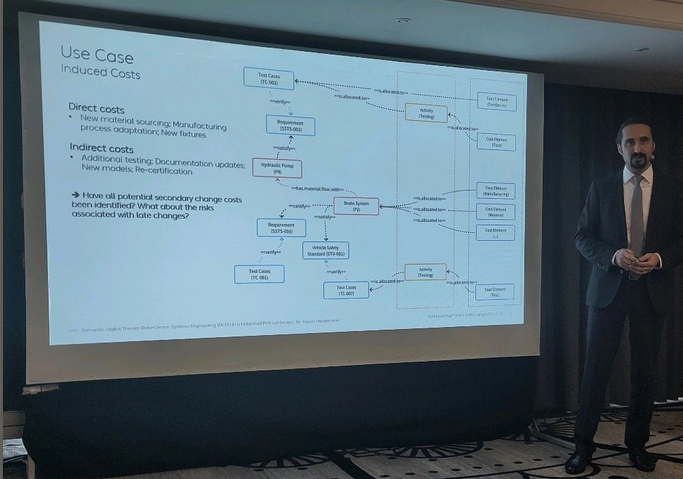
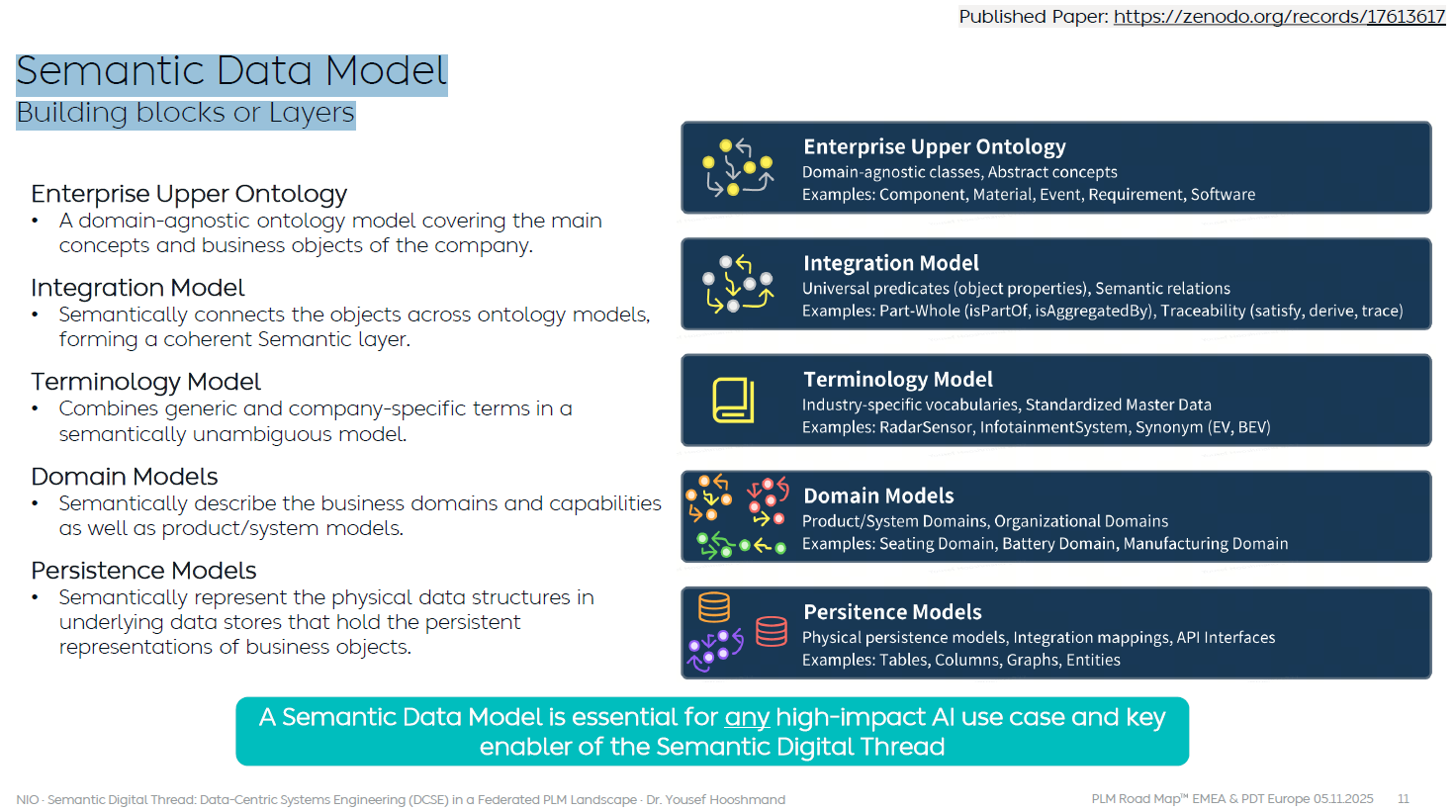
 However, as many of the other presentations on day 1 also stated: “data without context is worthless – then they become just bits and bytes.” For advanced and future scenarios, you cannot avoid working with ontologies, semantic models and graph databases.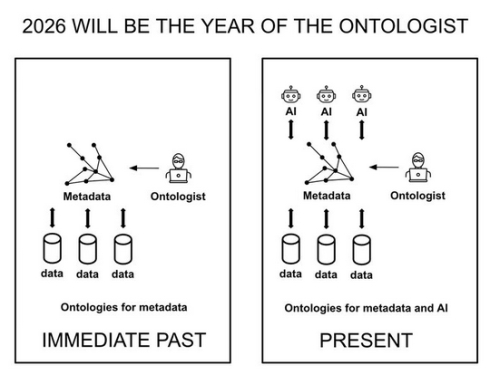
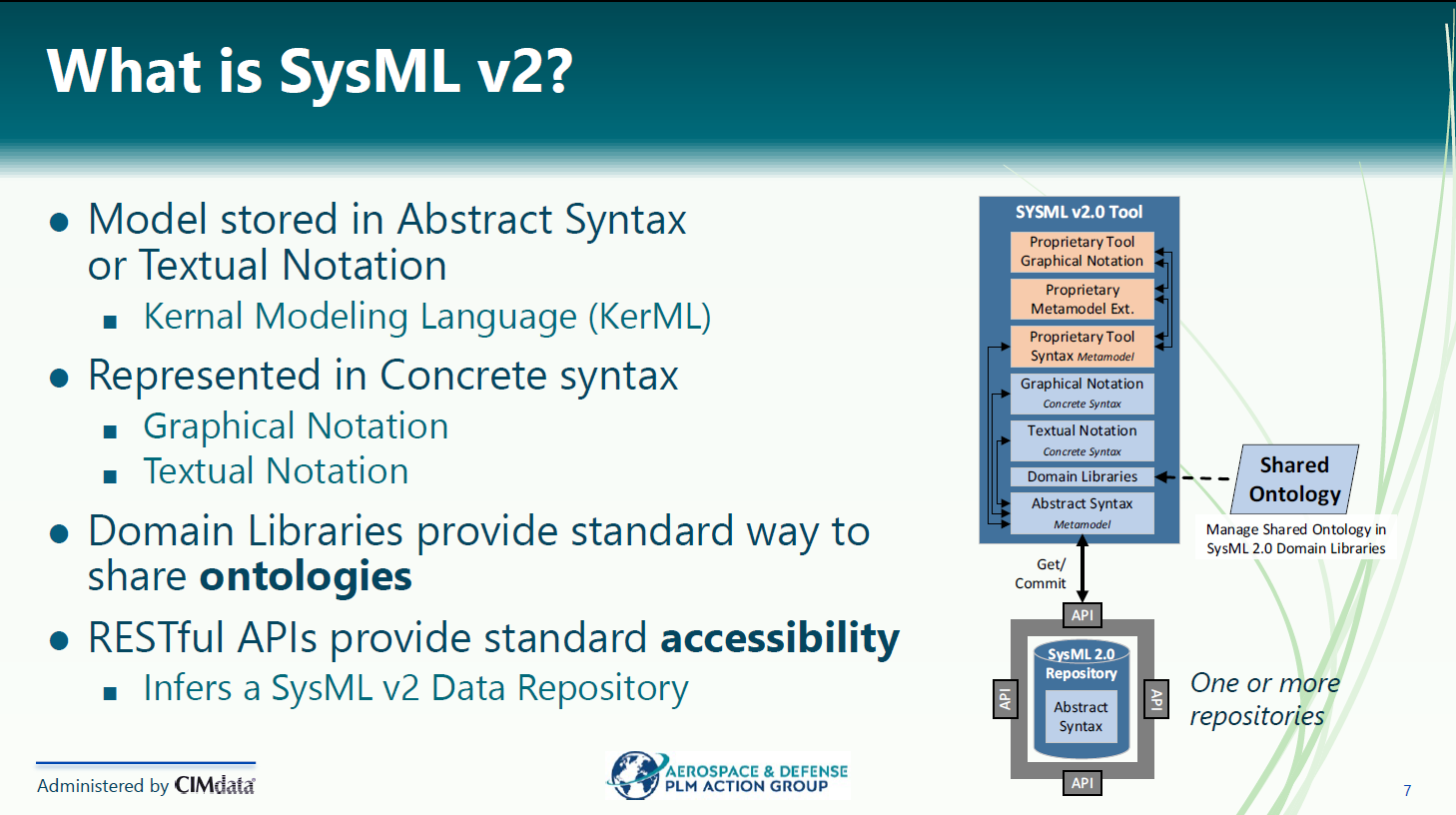
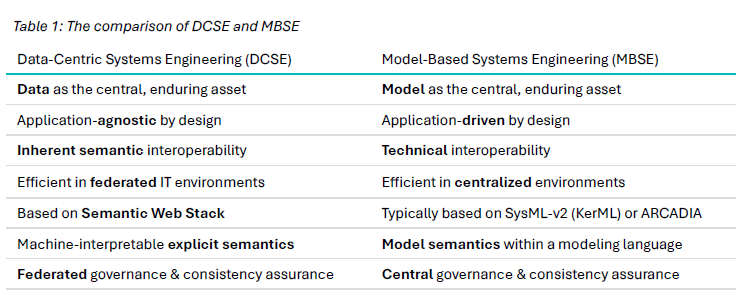

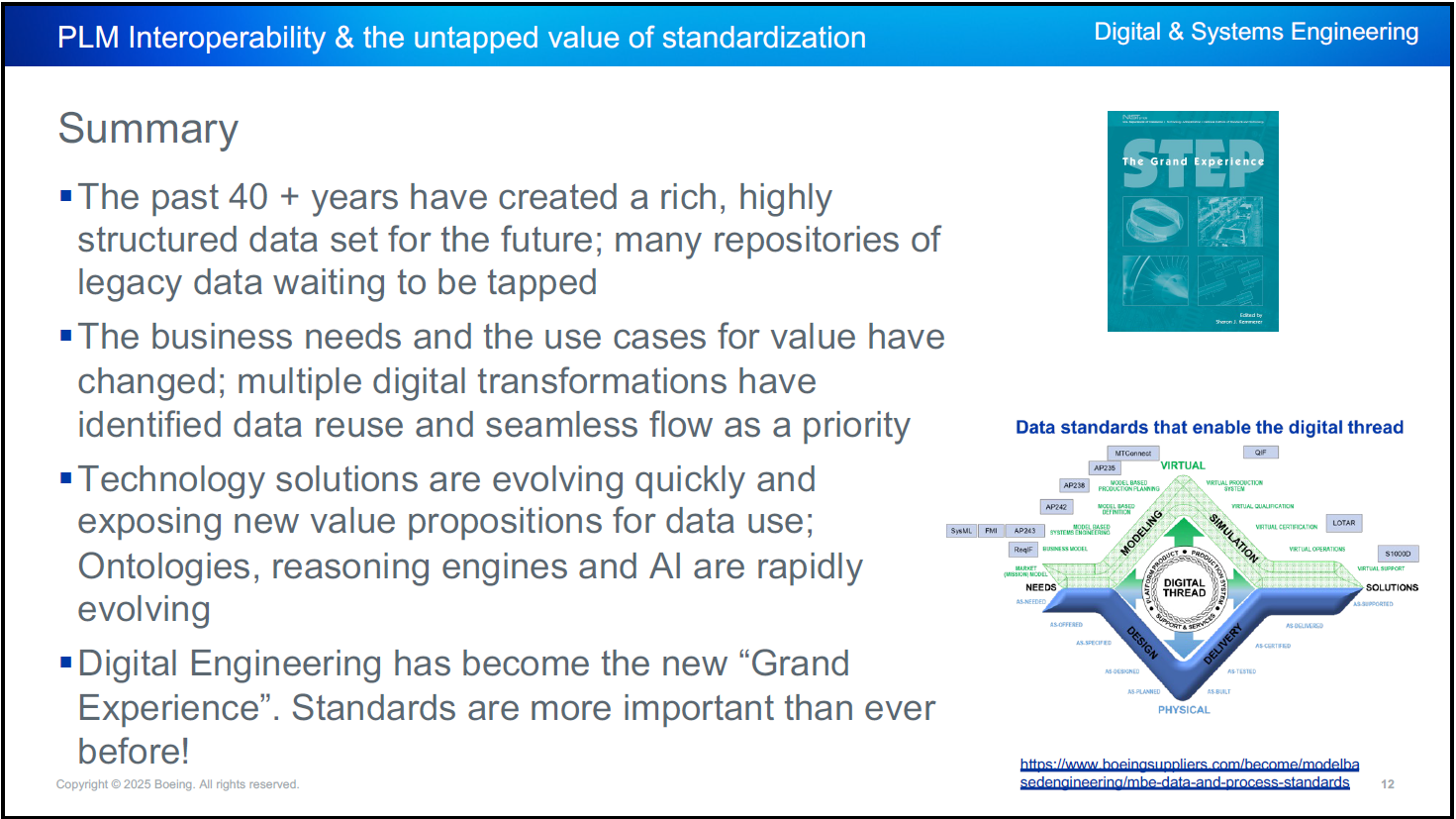
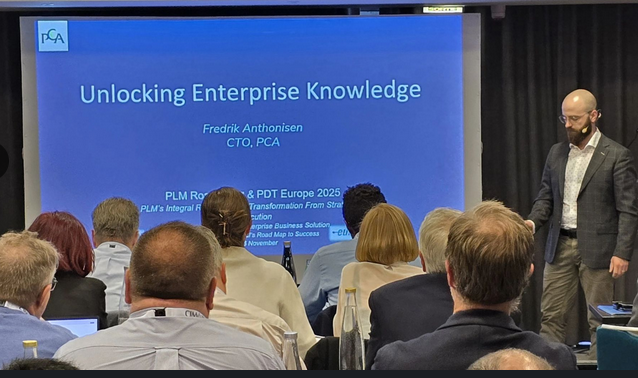
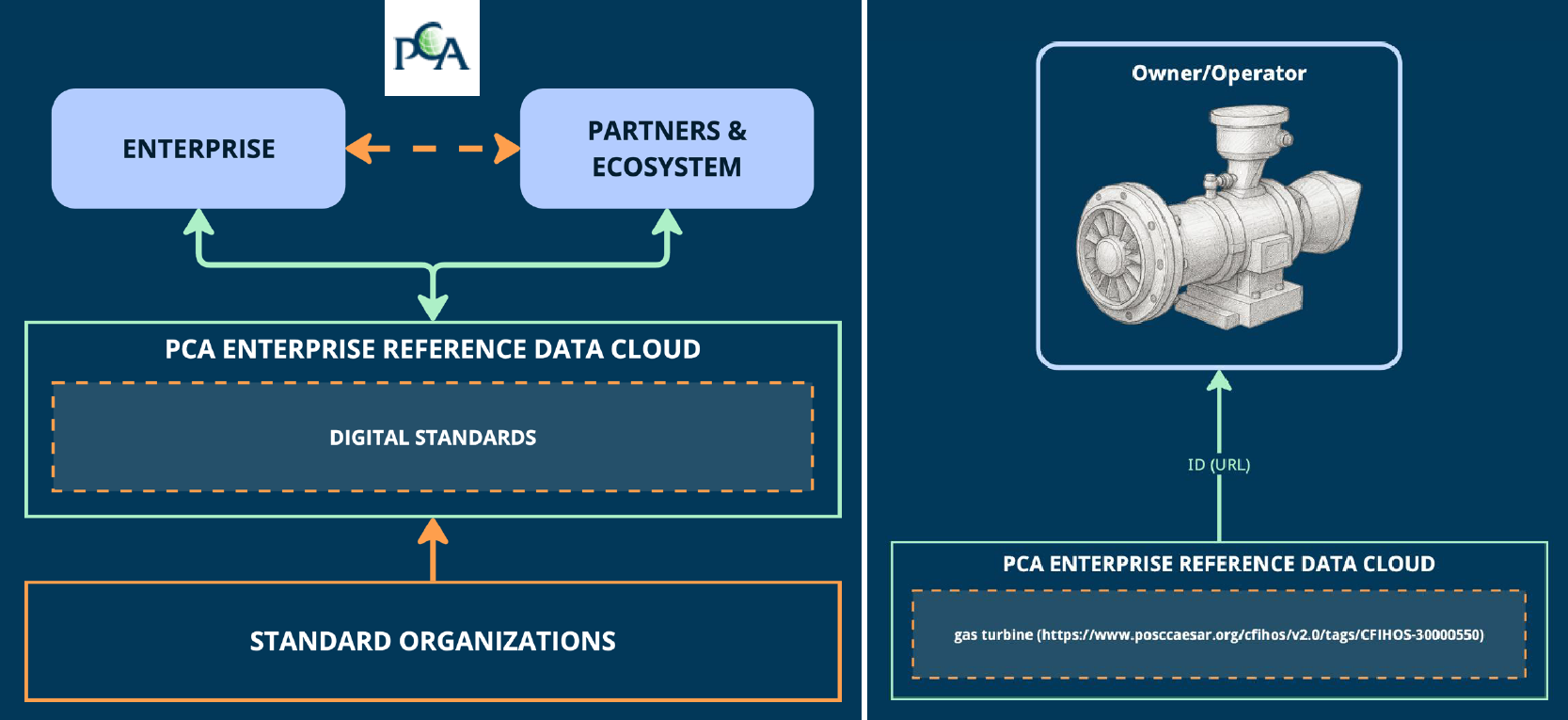

 The panel discussion at the end of day 1 was free of people jumping on the hype. Yes, benefits are envisioned across the product lifecycle management domain, but to be valuable, the foundation needs to be more structured than it has been in the past.
 Probably, November 11th was not the best day for broad attendance, and therefore, we hope that the recording of this webinar will allow you to connect and comment on this post.


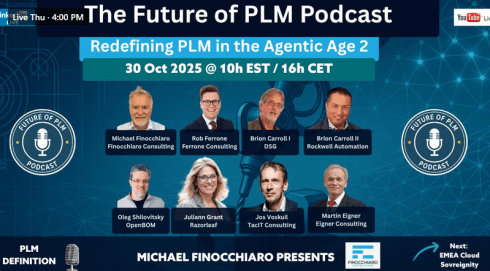
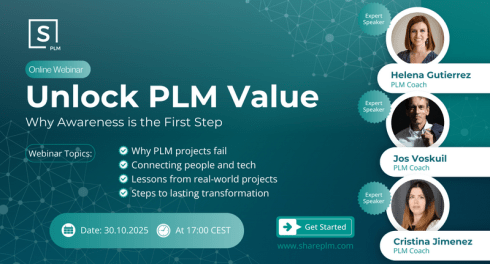
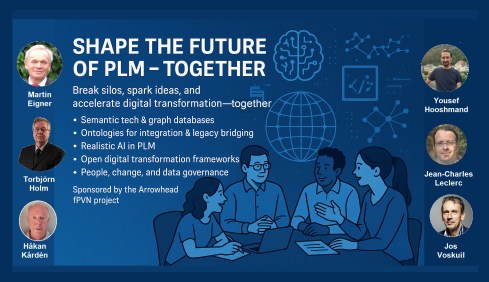
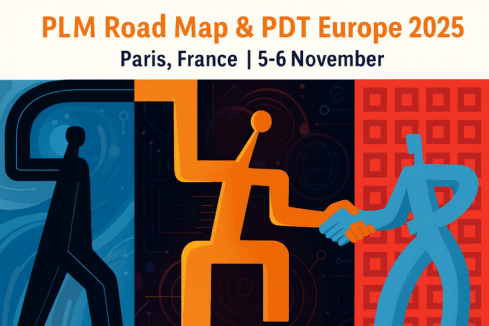
 With all these upcoming events, I did not have the time to focus on a new blog post; however, luckily, in the
  As the year ends, I decided to take my crystal ball to see what would happen with PLM in the future. It felt like a virtual experience, and this is what I saw:
 Over the last month, I have been actively engaged in the field; however, unfortunately, I have not been able to respond to all the interesting and sometimes humorous posts in my LinkedIn stream.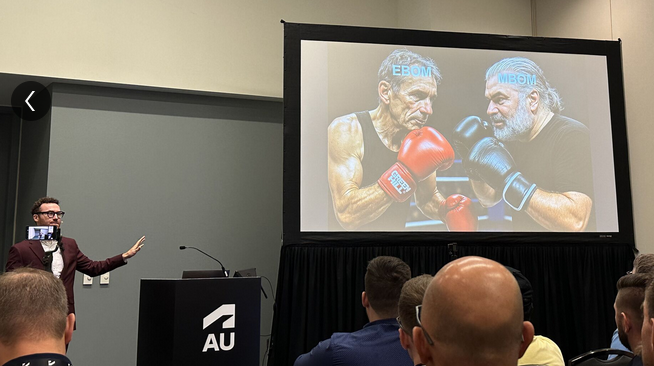

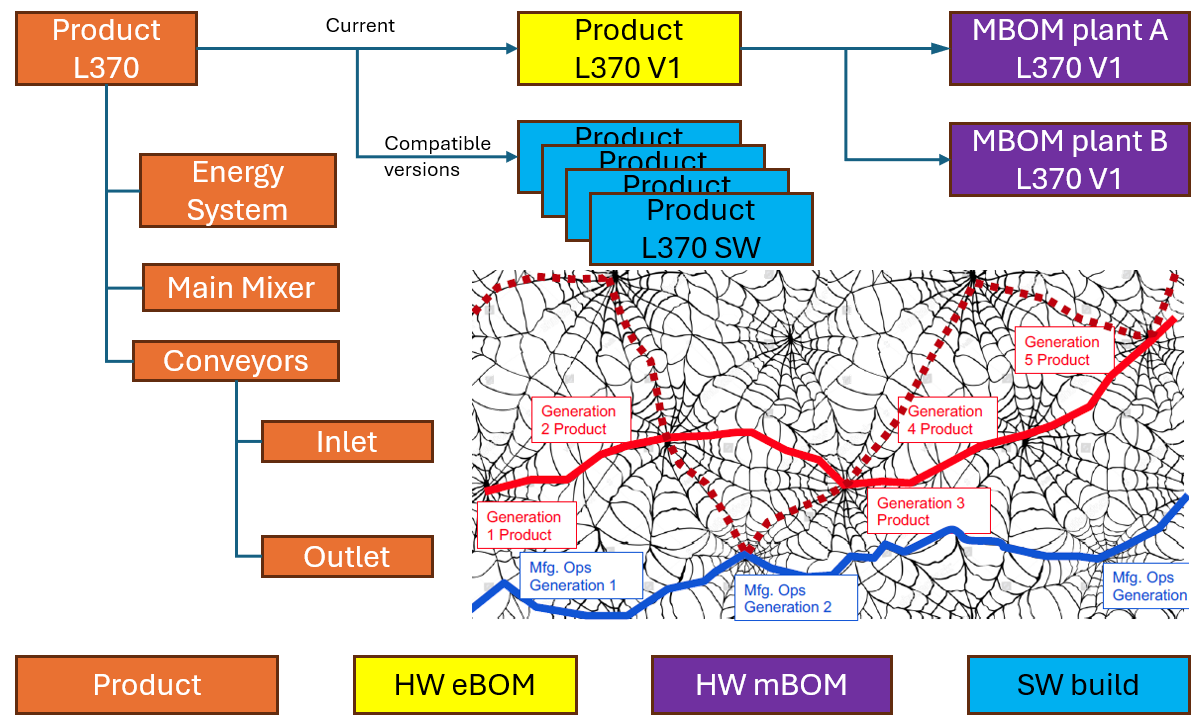
 Initially, the Bill of Materials (BOM) existed only in ERP systems to support manufacturing. Together with the Bill of Process (BOP), it formed the heart of production execution. Without a BOM in ERP, product delivery would fail.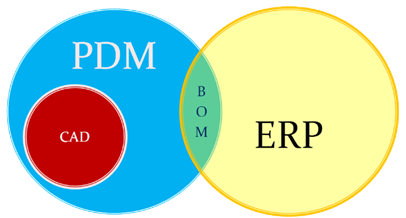



 However, is the sBOM the real solution or only a theme pushed by BOM/PLM vendors to keep everything within their system? So far, this represents a linear hardware delivery model, with BOM structures tied to local ERP systems.
 As I mentioned earlier, during the Dutch PLM platform discussion, we had an interesting debate that began with the question of how to manage and service a product during operation. Here, we reach a new level of PLM – not only delivering products as efficiently as possible, but also maintaining them in the field – often for many years.



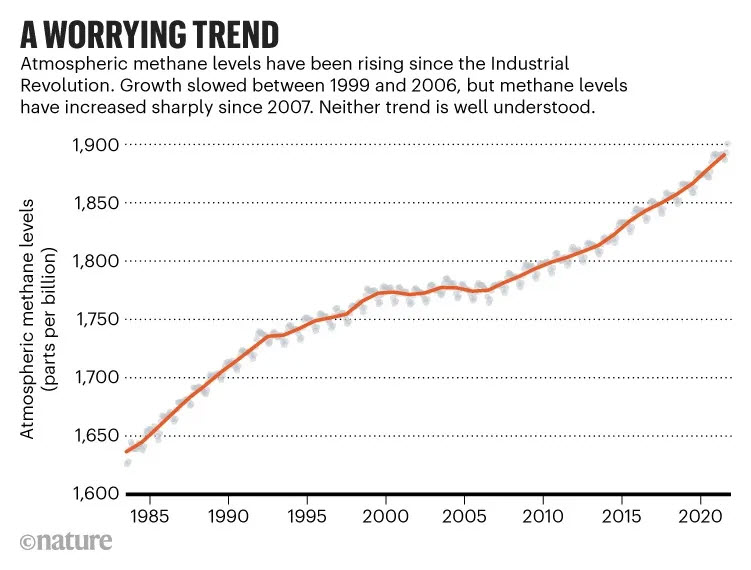
 Although scientists engaged in a discussion about the scientific evidence, there were no significant economic forces behind the scenes influencing the scientific research.

 We look forward to having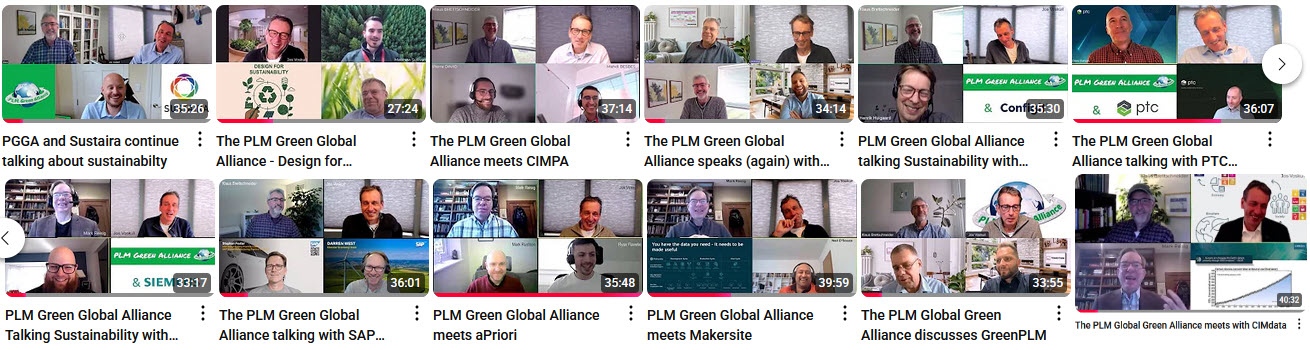
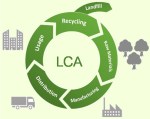 The tools for generative design, life cycle assessment, and, of course, digital twins for the various lifecycle phases can help companies to develop and manufacture more sustainable products.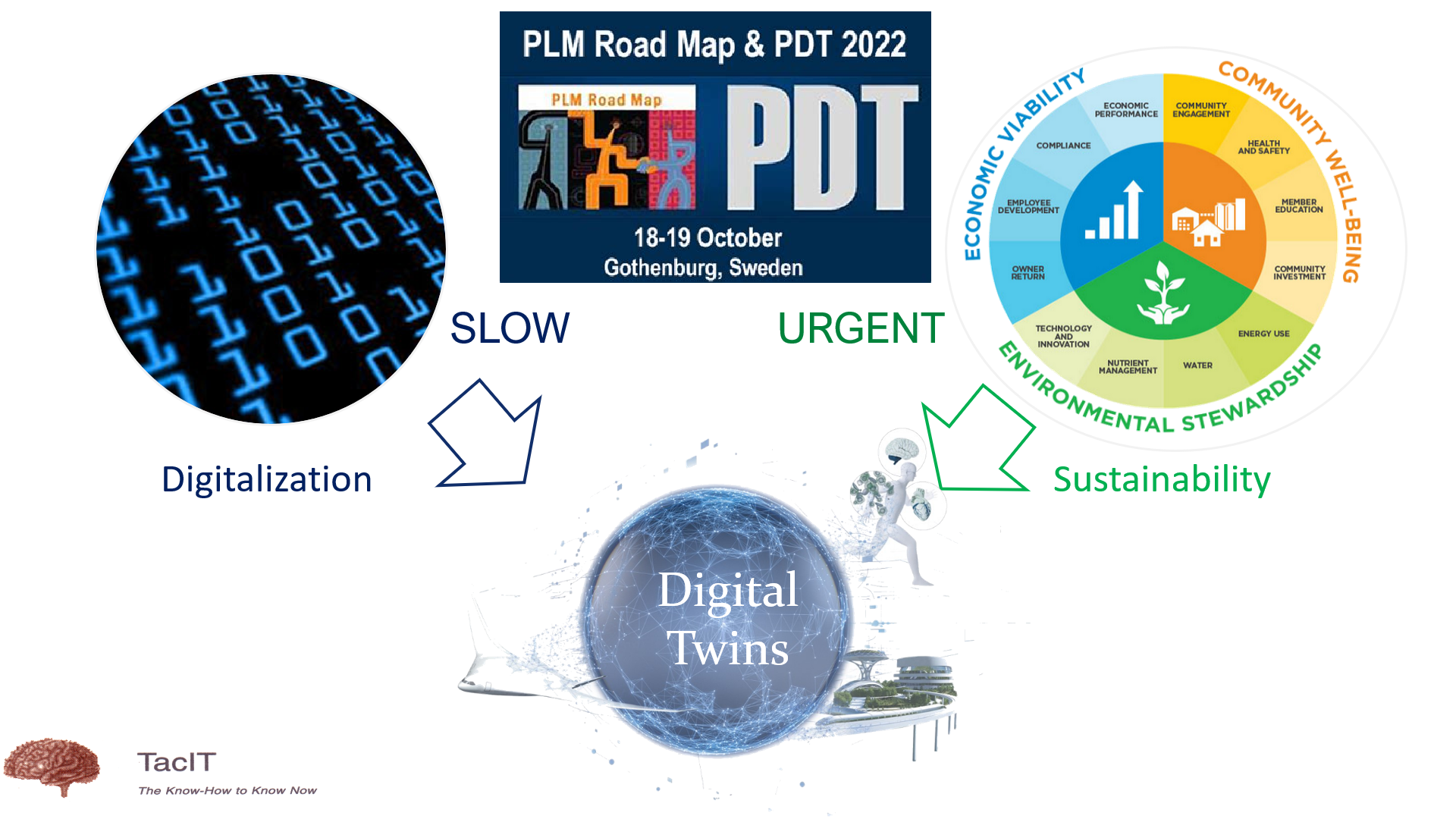
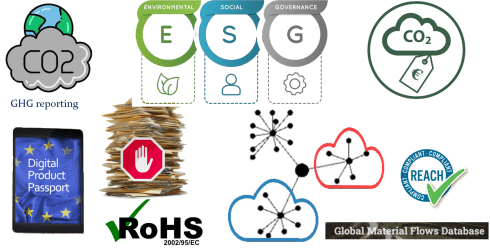
 Part of this challenge is the lack of education among top management, who are primarily focused on efficiency gains rather than adopting new approaches or mitigating risk.
 However, first and foremost, the most critical factor in driving sustainability within organizations is the people. Where companies are challenged in creating a green image, including the introduction of the Chief Sustainability Officer (CSO), there has always been resistance from existing business leaders, who prioritize money and profitability.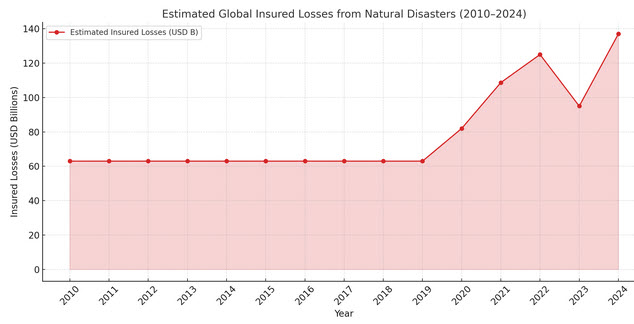




 And recently, we saw the

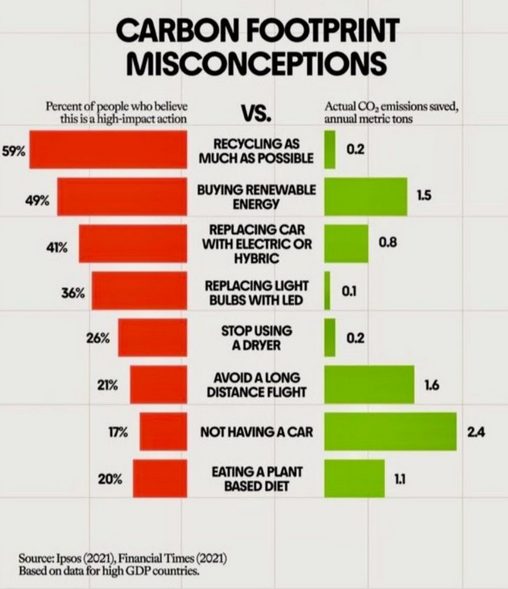
 Tempted by LinkedIn posts, I noticed the summer was full of memories, with
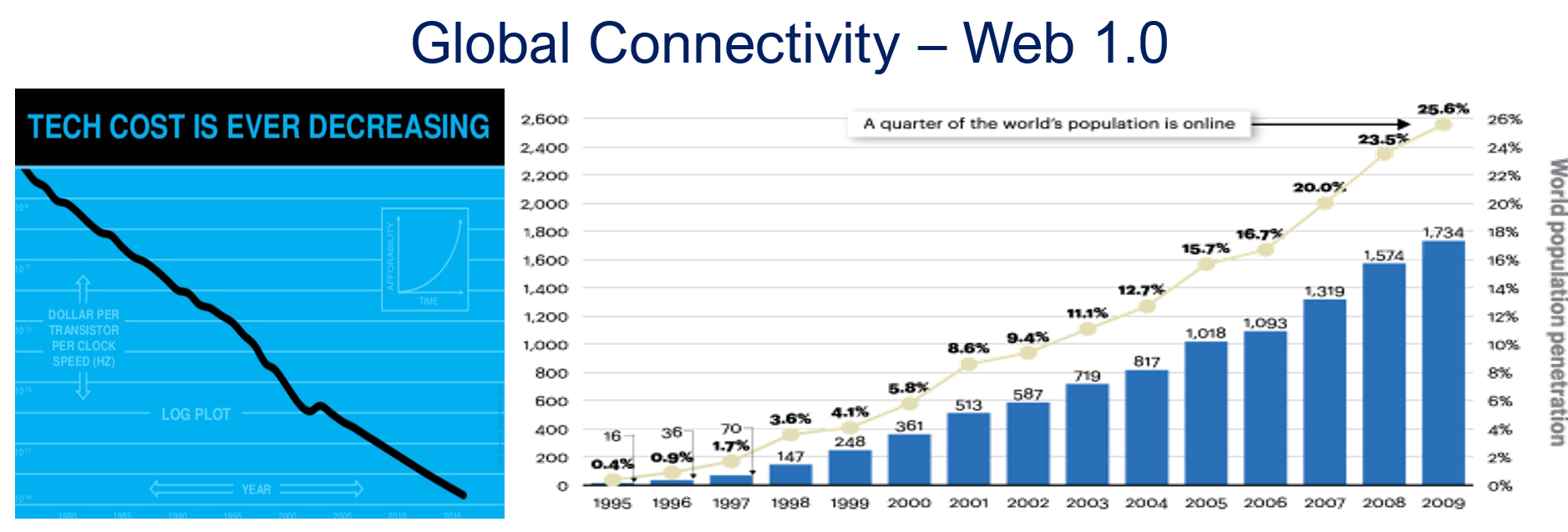

 The expansion of capabilities was also the moment when the confusion about the term PLM reached its peak: a PLM strategy or a PLM system?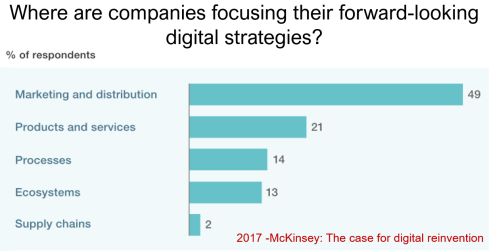
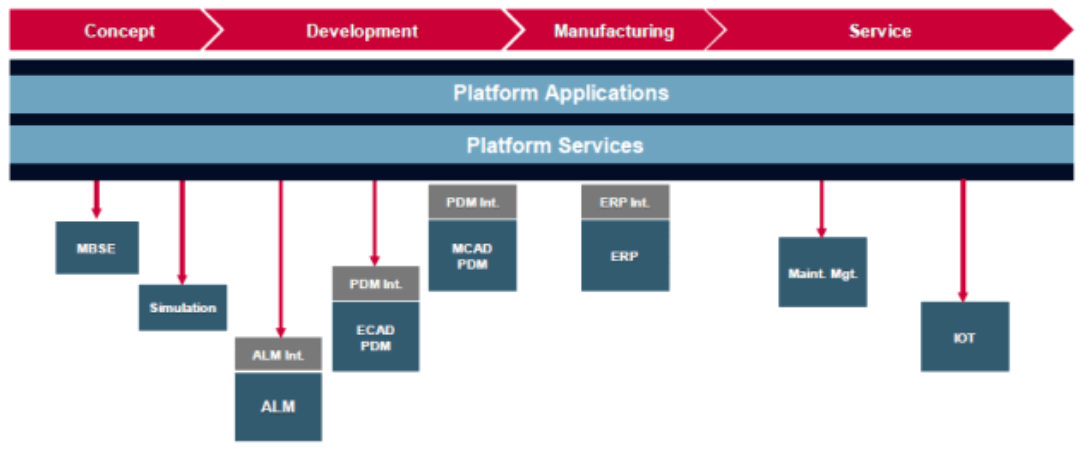
 With the availability of cloud solutions that support real-time interactions between stakeholders, either within an enterprise or in a value chain, a new paradigm has emerged: the connected enterprise.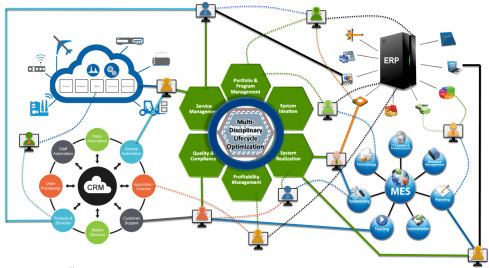
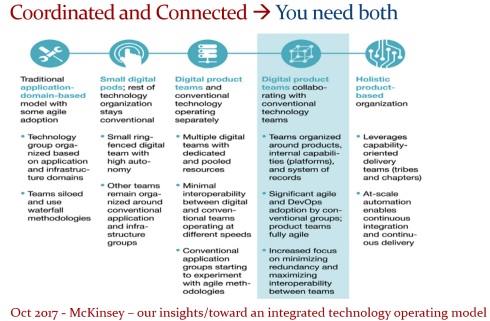

 An open SaaS infrastructure enables a company to let data flow almost in real-time. There is a lot of discussion related to data quality and governance, and if you have missed it, please read these three articles I created together with
 As technology has become more accessible than before, you no longer need an IT department to establish a PLM infrastructure. And then indeed, the people and process side needs and deserves much more attention..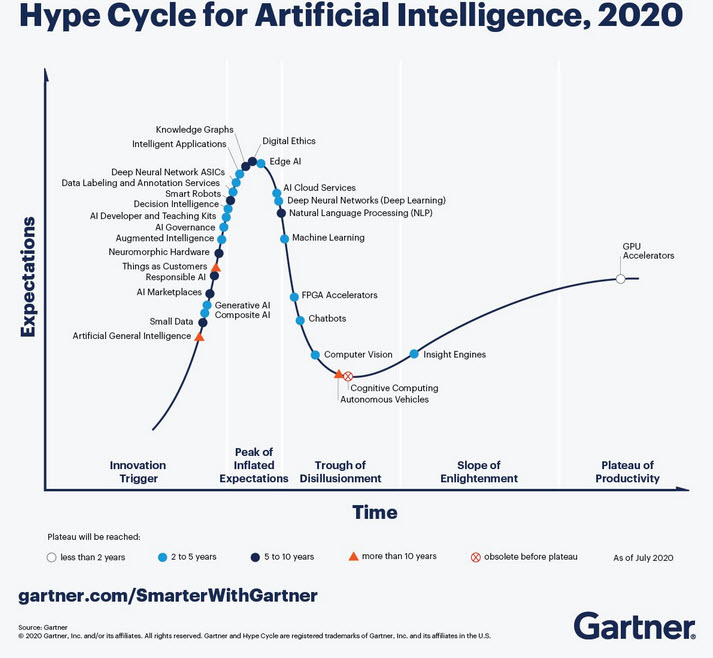

 Jos Voskuil's Weblog
[…] (The following post from PLM Green Global Alliance cofounder Jos Voskuil first appeared in his European PLM-focused blog HERE.) […]
[…] recent discussions in the PLM ecosystem, including PSC Transition Technologies (EcoPLM), CIMPA PLM services (LCA), and the Design for…
Jos, all interesting and relevant. There are additional elements to be mentioned and Ontologies seem to be one of the…
Jos, as usual, you've provided a buffet of "food for thought". Where do you see AI being trained by a…
Hi Jos. Thanks for getting back to posting! Is is an interesting and ongoing struggle, federation vs one vendor approach.…