
 In the past four weeks, I have been discussing PLM education from different angles through interviews with Peter Bilello (CIMdata), Helena Gutierrez (Share PLM), John Stark (John Stark Associates) and Dave Slawson (Quick Release). Each of these persons brought their specialized focus on PLM.
In this post, I want to conclude and put their expertise in the context of PLM – people, processes and tools.
CIMdata
 Originally CIMdata became known for their CAD/CAM market analysis, later expanding into simulation and PLM vendors analysis. And they are still a reference for everyone following the PLM Market. They provide market numbers and projections related to PLM for that part. Together with ARC, they are for me the two sources to understand what is happening business-wise in the PLM market.
Thanks to the contacts with all the vendors, they have a good overview of what is happening. That makes their strategic advice and training useful for companies that want to benchmark where they are and understand the current trends, all vendor-independent.
 Their PLM Roadmap conferences have been one of the few consistent vendor-independent conferences that still take place.
If you search for the term “The weekend after PLM Roadmap …..” you will find many of my reviews of these conferences.
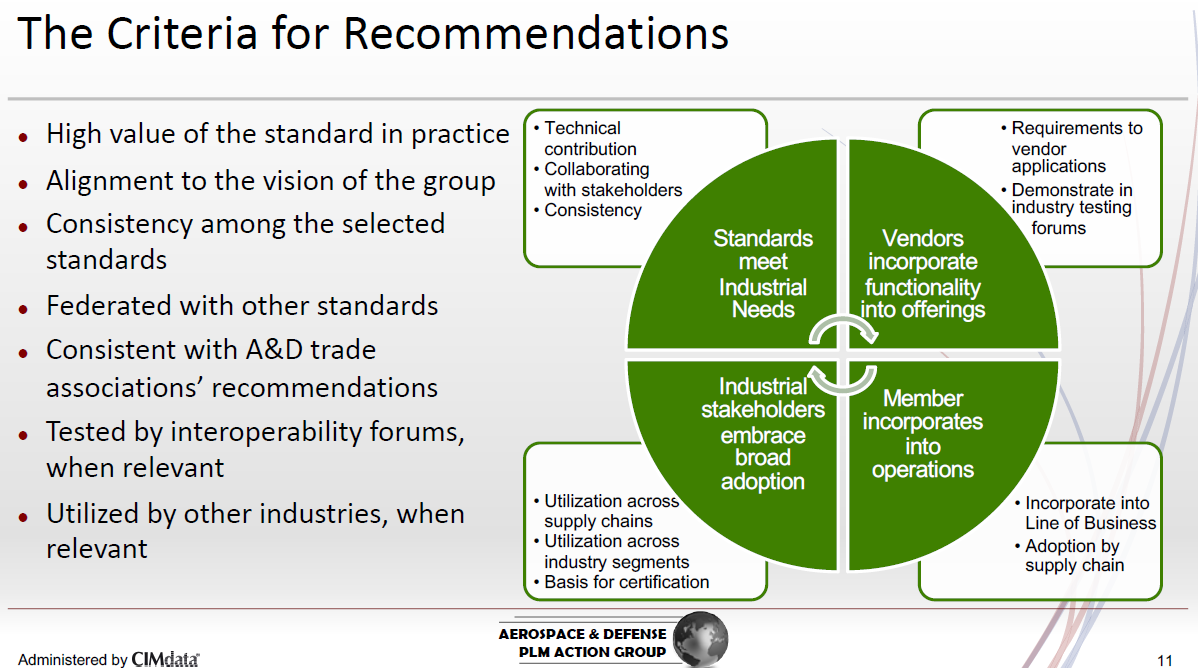
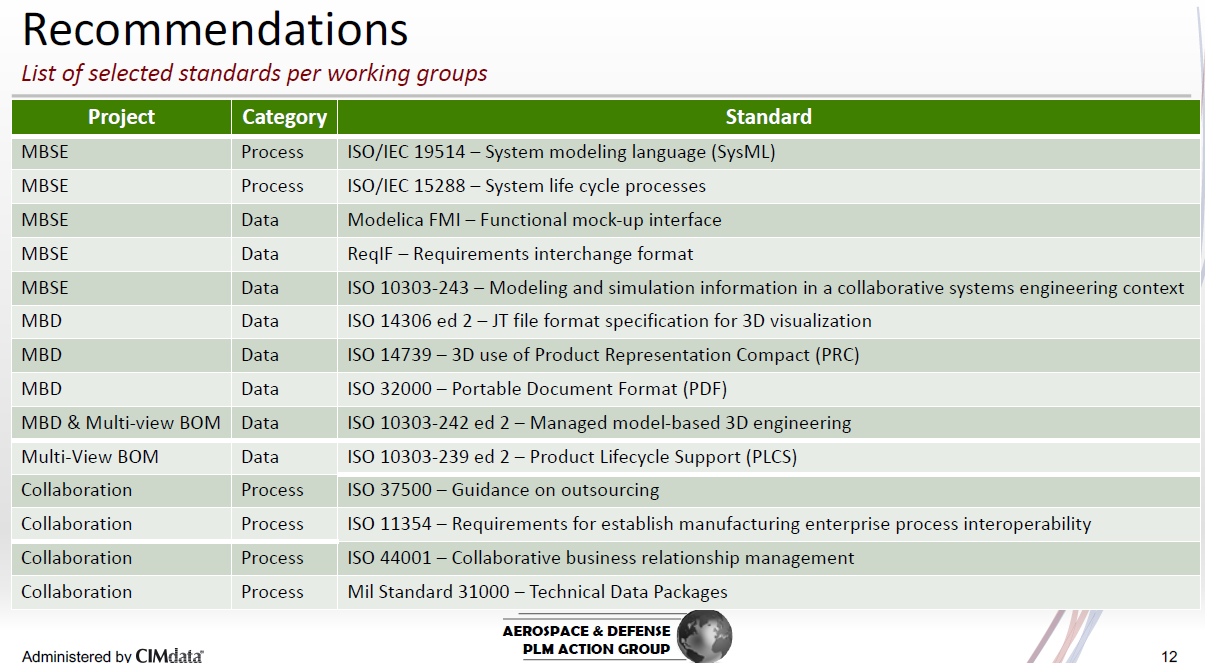
 Besides these activities, they are also facilitating industry action groups where similar companies in an industry discuss and evaluate various methodologies and how they could be implemented using various PLM systems – the most visible for me is the Aerospace & Defense PLM Action Group
Share PLM
 Share PLM is still a young organization focusing on Humanizing PLM. Their focus is on the end-to-end PLM education process. Starting from an education strategy focusing on people, they can organize and help you build attractive and didactical training or elearnings related to your PLM processes and systems in use.
 Besides their core offering, they are also justifying their name; they really share PLM information. So have a look at their Our Work tab with samples. In particular, as I mentioned in my interview with them, I like their podcasts.
In this post, I try to find similar people or companies to those I interviewed.
 When looking at Share PLM, Action Engineering in the US comes to my mind. They are the specialists dedicated to helping organizations large and small achieve their Model-Based Definition (MBD) and Model-Based Enterprise (MBE) goals.
To refresh your memory, read my post with Jennifer Herron, the founder of Action Engineering here: PLM and Model-Based Definition
John Stark
 Although John might be known as a leading writer of PLM books, he is also active in advising companies in their PLM journeys. Somehow similar to what I do, the big difference is that John takes the time to structure the information and write it down in a book. Just have a look at his list of published PLM books here.
My blog posts are less structured and reflect my observations depending on the companies and people I meet. Writing a foundational book about PLM would be challenging, as concepts are radically changing due to globalization and digitization.
 John’s books are an excellent foundation for students who want to learn PLM’s various aspects during their academic years. Students can sit down and take the time to study PLM concepts. Later, suppose you want to acquire PLM knowledge relevant to your company.
In that case, you might focus on specialized training, like the ones CIMdata provides.
 There are many books on PLM – have a look at this list. Which book to read depends probably a lot on your country and the university you are associated with. In my network, I have recently seen books from Martin Eigner and Uthayan Elangovan. Rosemary Astheimer’s book Model-Based Definition in the Product Lifecycle is still on my to-read list.
And then, there is a lot of research done by universities worldwide. So, if you are lucky, there is good education for PLM-related practices in your country.
Quick Release
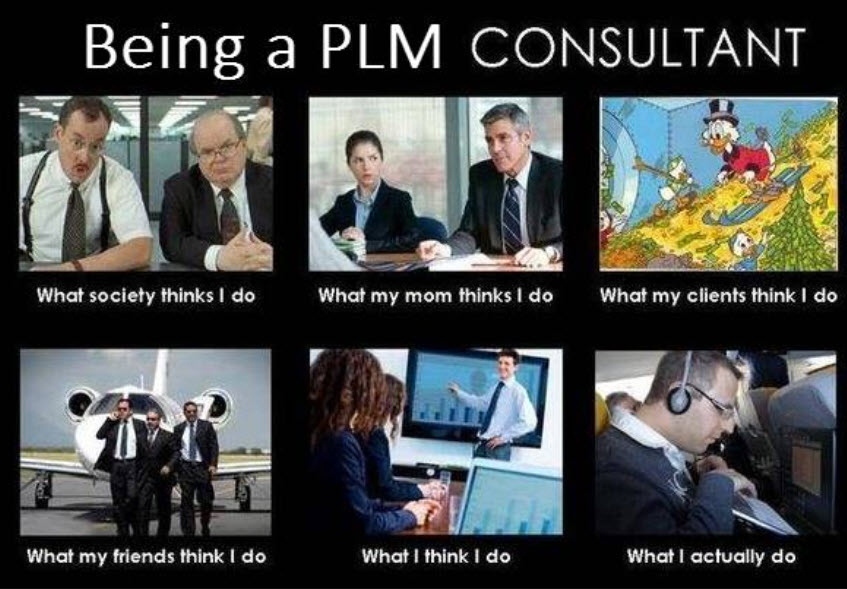
 My post with Quick Release illustrated the challenges of a PLM consultancy company. It showed their efforts to enable their consultants to be valuable for their customers and create a work environment that inspires them to grow and enjoy their work.
 Quick Release aims for a competitive advantage to have their consultants participate in actual work for their customers.
Not only from the conceptual point of view but also to get their hands “dirty”.
There are many other PLM consultancy firms. Having worked with Atos, Accenture, Capgemini, Delloite, PWC, who have their PLM practices, you realize that these companies have their methodologies and preferences. The challenge of their engagements is often the translation of a vision into an affordable roadmap.
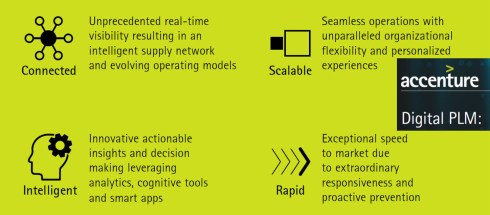
Example of Accenture Digital PLM message
Consultancy firms need to be profitable, too, and sometimes they are portrayed as a virus. Once they are in, it is hard to get rid of them.
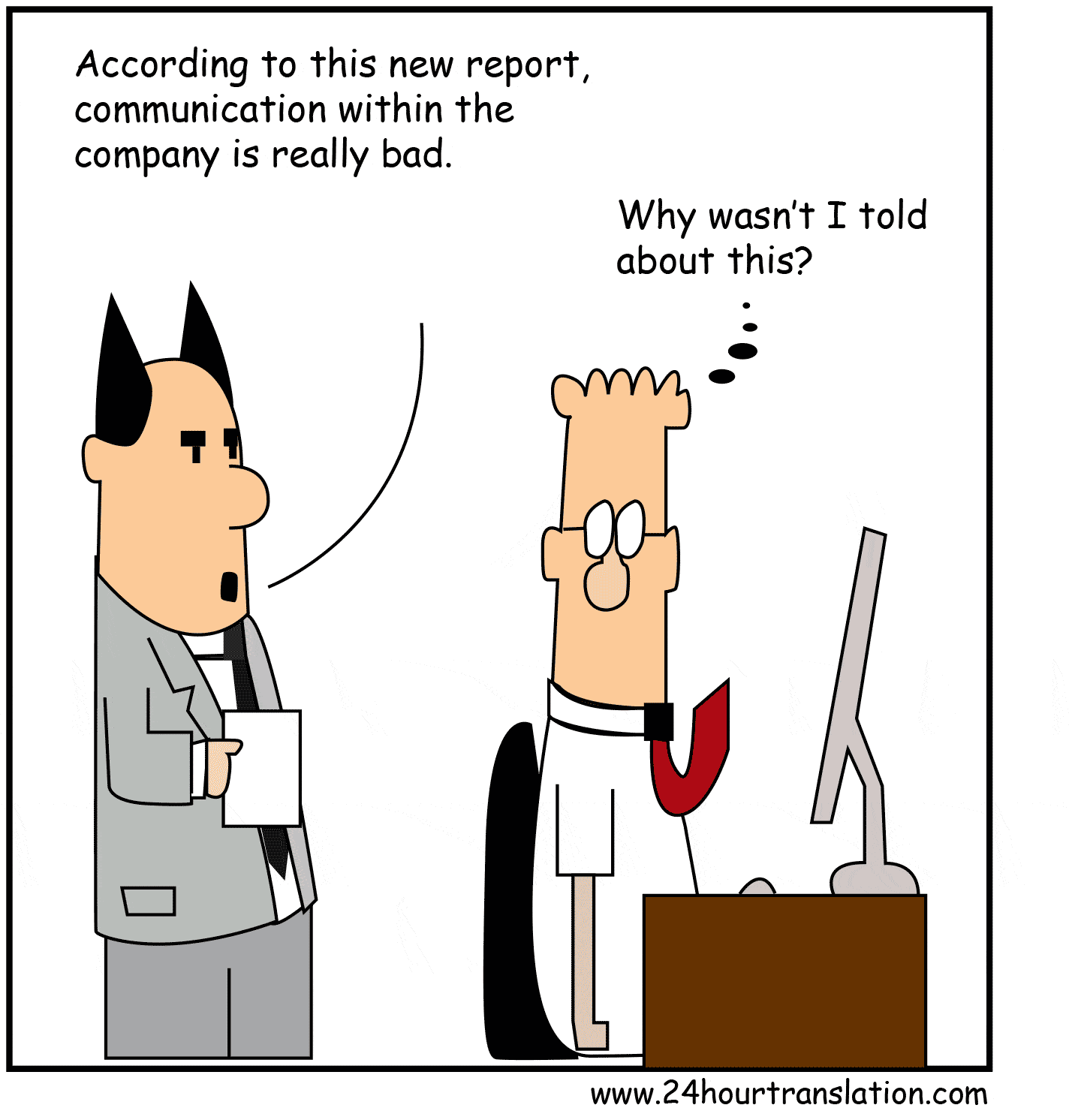
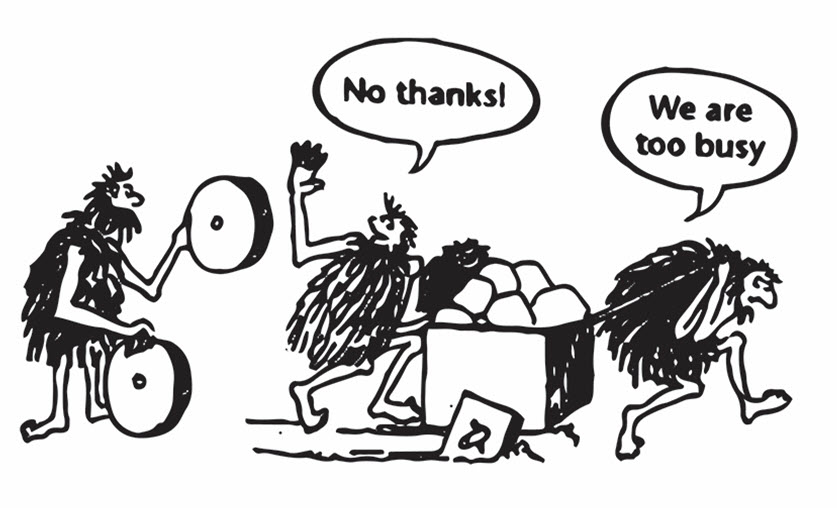 I do not agree with that statement, as companies often keep relying on consultants because they do not invest in educating their own people. It is a lack of management prioritization or understanding of the importance. Sometimes the argument is: “We are too busy” – remember the famous cartoons.
Consultants cannot change your company; in the end, you have to own the strategy and execution.
And although large consultancy firms might have many trained resources, my experience with these companies is that success often depends on one or two senior consultants. Consultancy is also a human-centric job, being able to connect to the customer in their language and culture.
 Good consultants show their value by creating awareness and clarity first. Next, by helping the customer execute their strategy without big risks or hiccups. Finally, a good consultant becomes redundant as the knowledge has been transferred and digested to the customer.
It is like growing up.
System Integrators
 It is a small step from consultancy firms to system integrators, as many consultancy firms have specialists in their company that are familiar with certain vendors’ systems. And you might have discovered that the systems that require the most integration or configuration work have the largest practices globally.
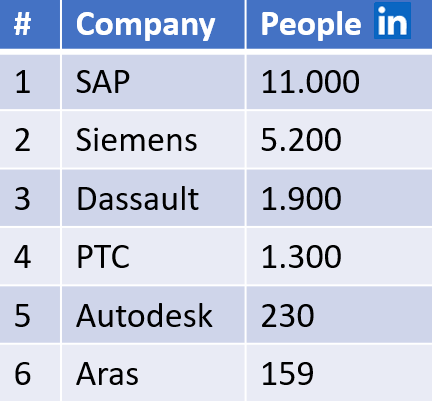 So I did a “quick and dirty” search on LinkedIn, looking for people with the xxx PLM consultant role, where xxx is the name of the PLM Vendor.
This to understand how big is the job market for such a specialized PLM consultant.
The image shows the result and I let you draw your own conclusions.
System Integrators are usually the most important partners for a PLM implementation once you choose. Therefore, when I support a PLM selection process, I always look at the potential implementation partner. Their experience, culture and scale are as important as selecting the best tools.
 System Integrators can benefit from their past experiences and best practices. It is a myth that every company is so unique and should be treated differently. Instead, companies are different because of historical reasons. And these differences to best practices are sometimes inhibitors instead of advantages.
Related to education, System Integrators are often focused on technical training. Still, they might also have separate experts in training or organizational change management.
PLM Vendors
For me, the PLM vendors are the ones that should inspire the customers. Have a look at the “famous” CIMdata slide illustrating the relation between vision, technology and implemented practices – there is a growing gap between the leaders and the followers.
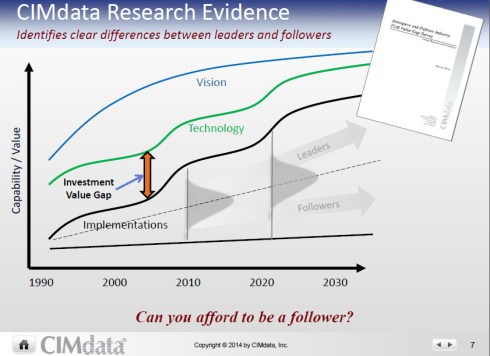
PLM Vendors often use their unique technical capabilities as a differentiator to the competition and inspiration for C-level management. Just think about the terms: Industry 4.0, Digital Twin, Digital Thread, Digital Platform, Model-Based Enterprise and more about sustainability targeted offerings.
The challenge however is to implement these concepts in a consistent manner, allowing people in an organization to understand why and what needs to be done.
The PLM editor’s business model is based on software sales or rental. Therefore, they will focus on their benefits and what competitors fail to do. And as they have the largest marketing budgets, they are the most visible in the PLM-related media.

Of course reality is not that dramatic – education is crucial
You can compare PLM Vendors also with populists. The aim of a populist is to create an audience by claiming they can solve your problems (easily) by using simple framing sentences. However, the reality is that the world and the current digitalization in the PLM domain are not simple.
 Therefore we need education, education and education from different sources to build our own knowledge. It is not about the tool first. It is people, process and then tools/technology
People, Process, Tools
Education and the right education for each aspect of PLM are crucial to making the right decision. To simplify the education message, I tried to visualize and rate each paragraph along with the People, Process and Tools assessment.
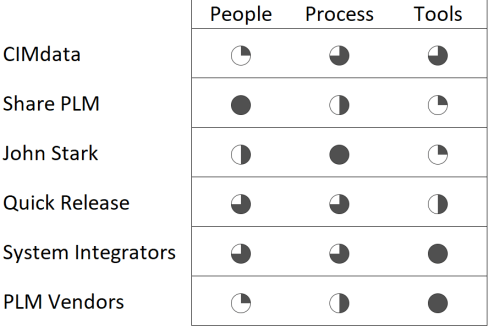
What do you think? Does this make sense related to education?
Conclusion
Education is crucial at every level of an organization and at every stage of your career. Take your time to read and digest the information you see and compare and discuss it with others. Be aware of the People, Process and Tools matrix when retrieving information. Where does it apply, and why.
I believe PLM is considered complex because we are dealing with people who all have different educational backgrounds and, therefore, an opinion. Invest in alignment to ensure the processes and tools will be used best.


 Dave, can you tell us something more about Quick Release, further abbreviated to QR, and your role in the organization?
 Quick Release is a specialist PDM and PLM consultancy working primarily in the automotive sector in Europe, North America, and Australia. Robust data management and clear reporting of complex subjects are essential.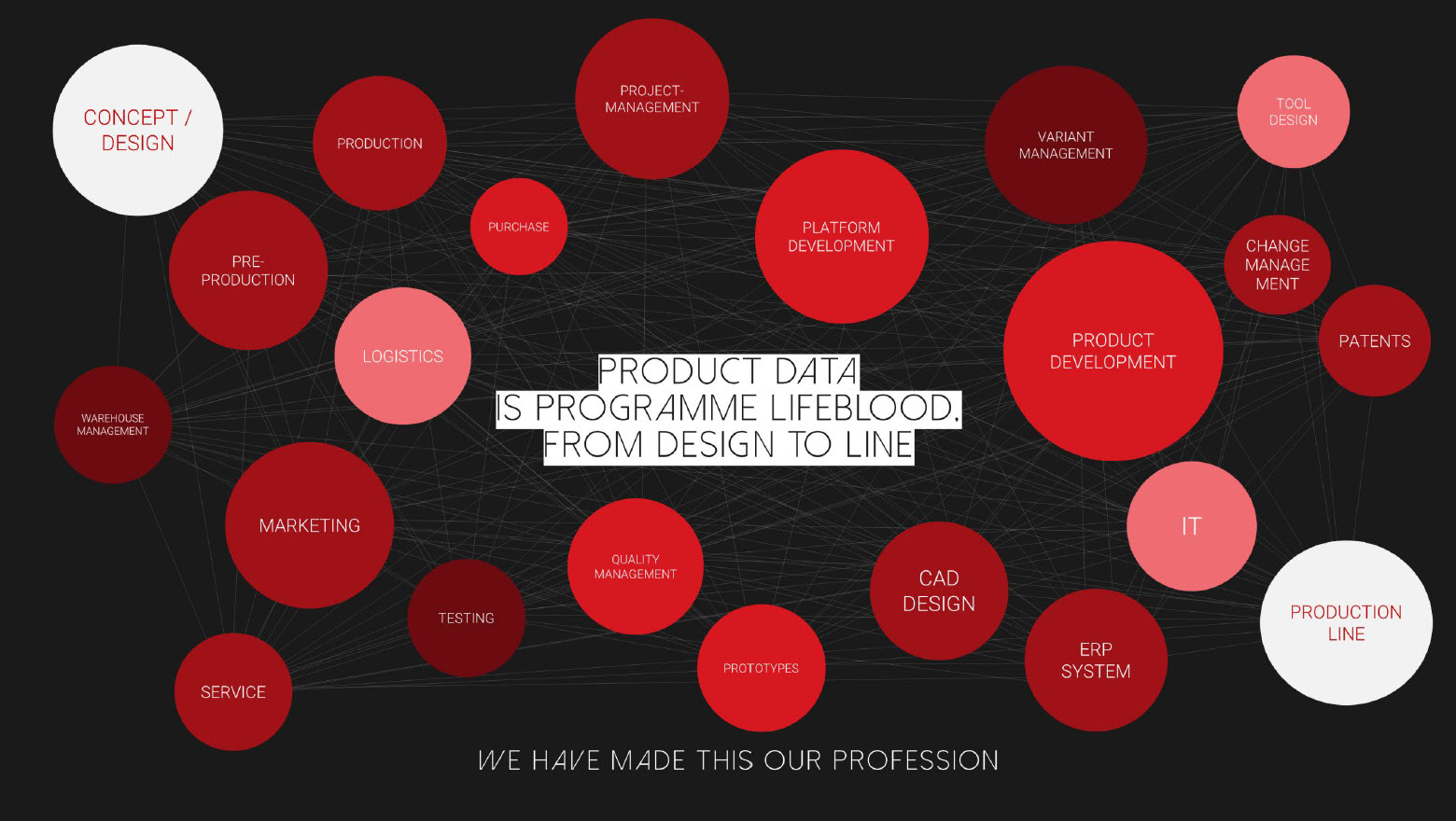


 The latter is used to help us continuously improve our offering. Our trainers are subject matter experts, but we encourage them to evolve their content and approach based on feedback.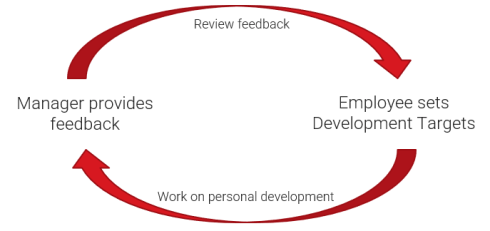

 We also carried out internal studies regarding the long-term retention of team members relative to onboarding quality. These studies show that team members who experience a more controlled and structured onboarding program are mostly more successful in roles.
 Therefore the idea of delivering a version of our training and onboarding program to clients is very attractive to us. We offer clients a shortened version of our bootcamp (focused on technical PDM, PLM and complexity management without the consultancy skills to our clients).
 We’d look to run that program over approximately 6 months so that the client can be confident that their staff has reached the level of technical expertise. There would be an upfront cost to the client to manage this.

 In my previous posts dedicated to PLM education, I shared my
 The starting point for my PLM journey was that I was involved in developing a CAD system. But by the 1990s, I had moved on to being a consultant. I worked with companies in different industry sectors, with very different products.
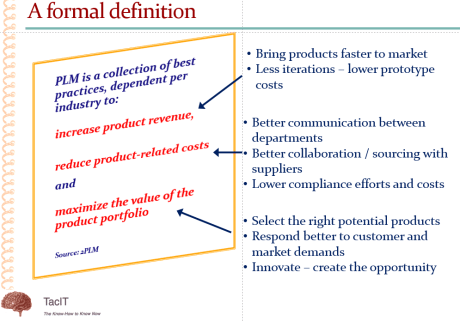
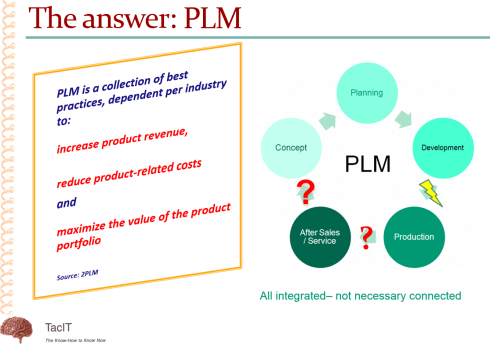
 However, there was no name for the field I was working in at that time. So, I decided to call it Product Lifecycle Management and came up with the following definition: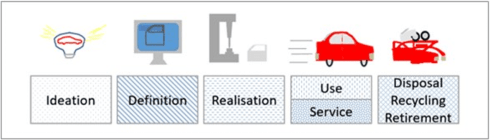


 John, as you have been active in PLM education for more than twenty years, do you feel that PLM Education and Training has changed.
 PLM has only existed for about twenty years. Initially, it was so new that there was just one approach to PLM education and training, but that’s changed a lot.

 For example, I’m not aware of a university with a Chair of Product Lifecycle Management. But then, PLM is only 20 years old, that’s very young.
 On the other hand, the technologies and techniques of PLM Education and Training are likely to change – just as they have over the last twenty years. And I would expect to see some Chairs of Product Lifecycle Management in universities, with more students learning about PLM. And better PLM training courses available in companies.
 By talking with John and learning his opinion, I see the academic approach to define PLM as a more scientific definition, creating a space for the PLM professional.
 Jos, first of all, thank you for the invitation to your blog! That’s a great question. In my previous job, as a young PLM director at the former Outotec, nowadays
  In the beginning, I envisioned some kind of a marketplace, where people could also sell their own resources. A resource I often missed was some kind of POC template for a new deployment, these kinds of things.
 Software vendors keep their PLM systems generic. And almost every company needs to adapt their systems to their company reality: their processes, their system architecture, and their people.
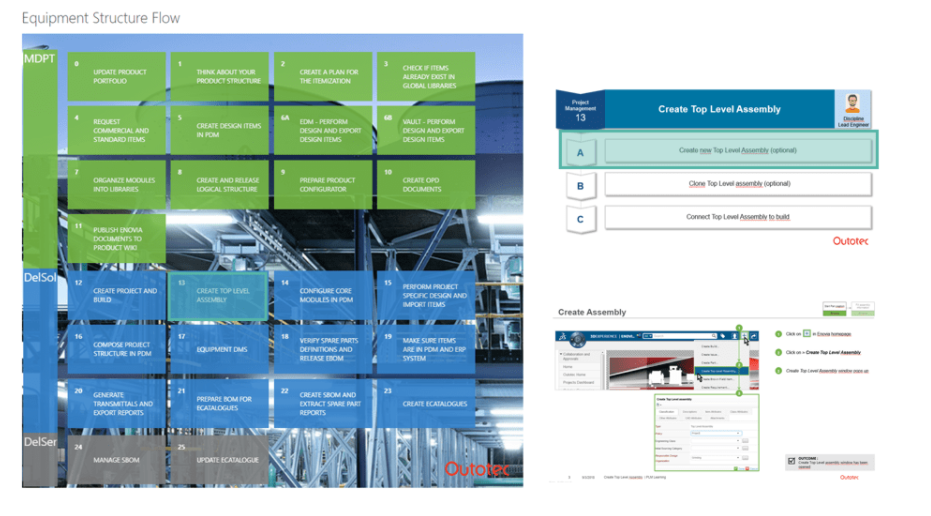
 This is an interesting differentiation – I must say I hadn’t heard of it before, but it makes sense.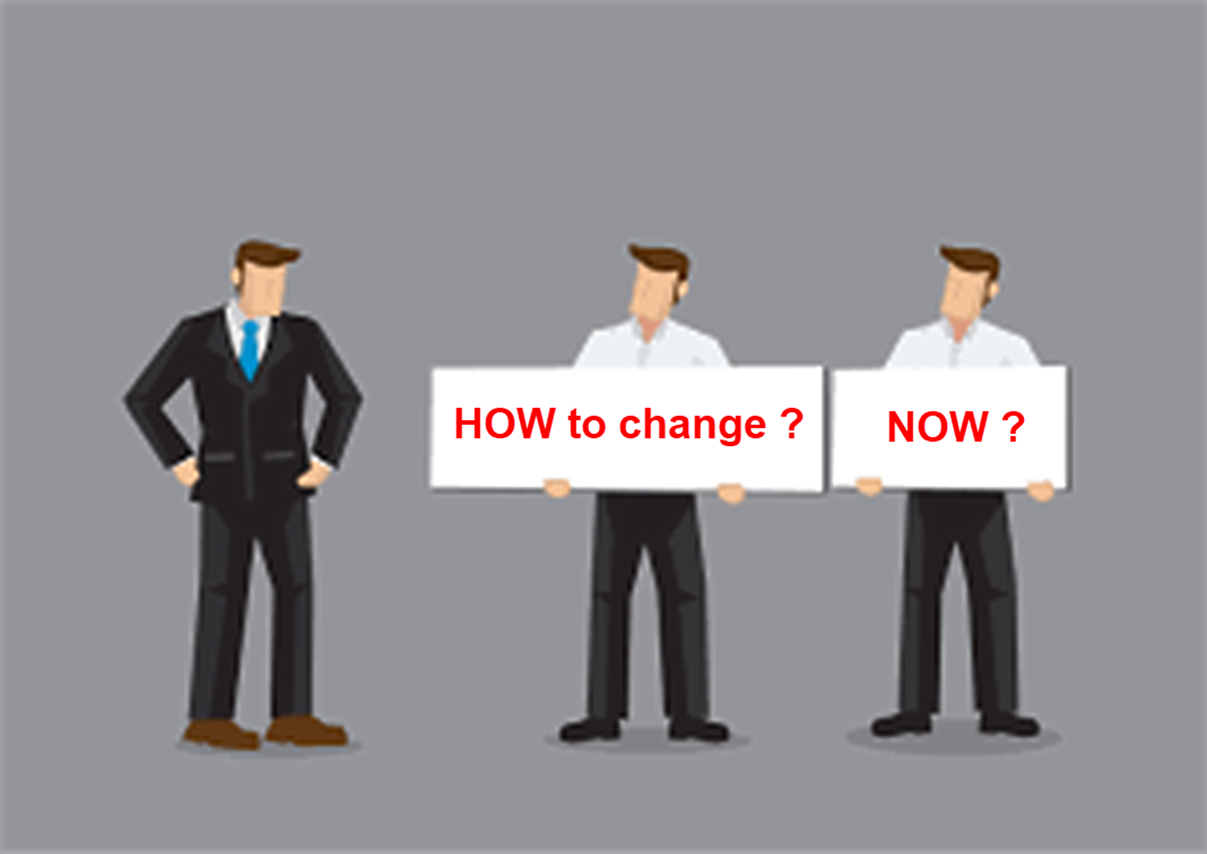



 Small companies start small and build their training environment slowly. Some might do some parts by themselves and use our services to guide them through the process.
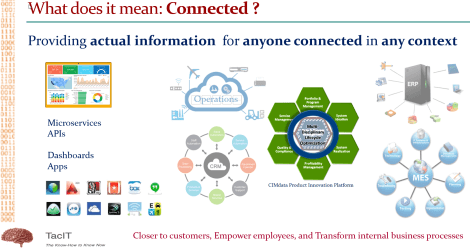

 When I started my blog virtualdutchman.com in 2008, I wanted to share PLM experiences and knowledge.


 Jos, throughout much of CIMdata’s existence, we have delivered educational content to the global PLM industry. With a core business tenant of knowledge transfer, we began offering a rich set of PLM-related tutorials at our North American and pan-European conferences starting in the earlier 1990s.
 In turn, this framework can be used as an efficient tool for the organization’s HR department to define its training and job progression programs that align with its overall transformation.
 In our terms, education deals with the “WHY” and training with the “HOW”. Why do we need to change? Why do we need to do things differently? And then “HOW” to use new tools within the new processes.
 Therefore a well-defined skills transformation framework is critical for any company that wants to grow and thrive in the digital world. Finally, a skills transformation framework needs to be tied directly to an organization’s digital implementation roadmap and structure, state of the process, and technology maturity to maximize success.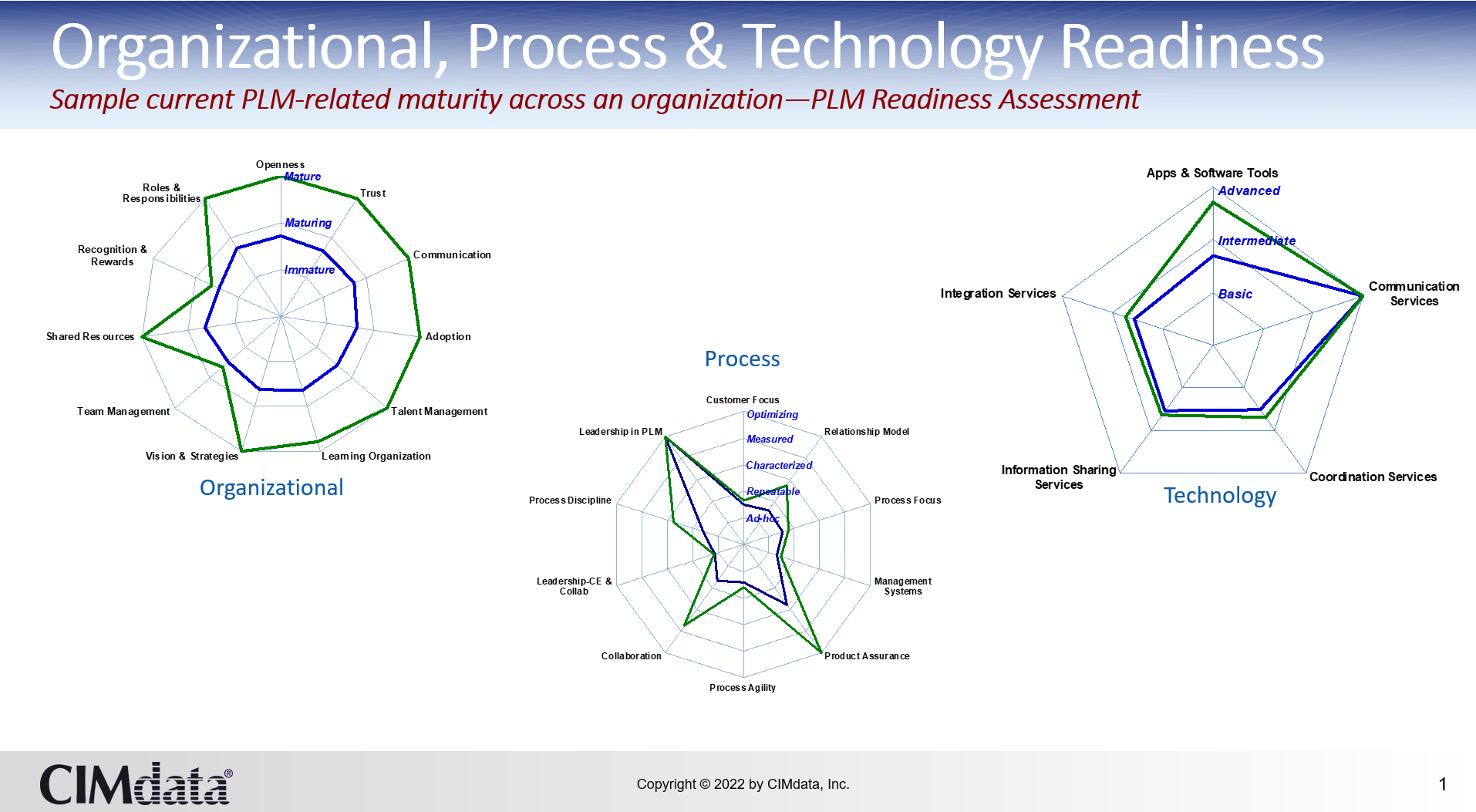
 This also allows us, when we are supporting the definition of a digital skills transformation framework, to understand how the level of internal knowledge might differ within and between departments, sites, and disciplines. All of which help define an organization-specific action plan, no matter its size.
 For this, it is important to differentiate between education and training. So, CIMdata provides education (the why) and training and education strategy development and planning.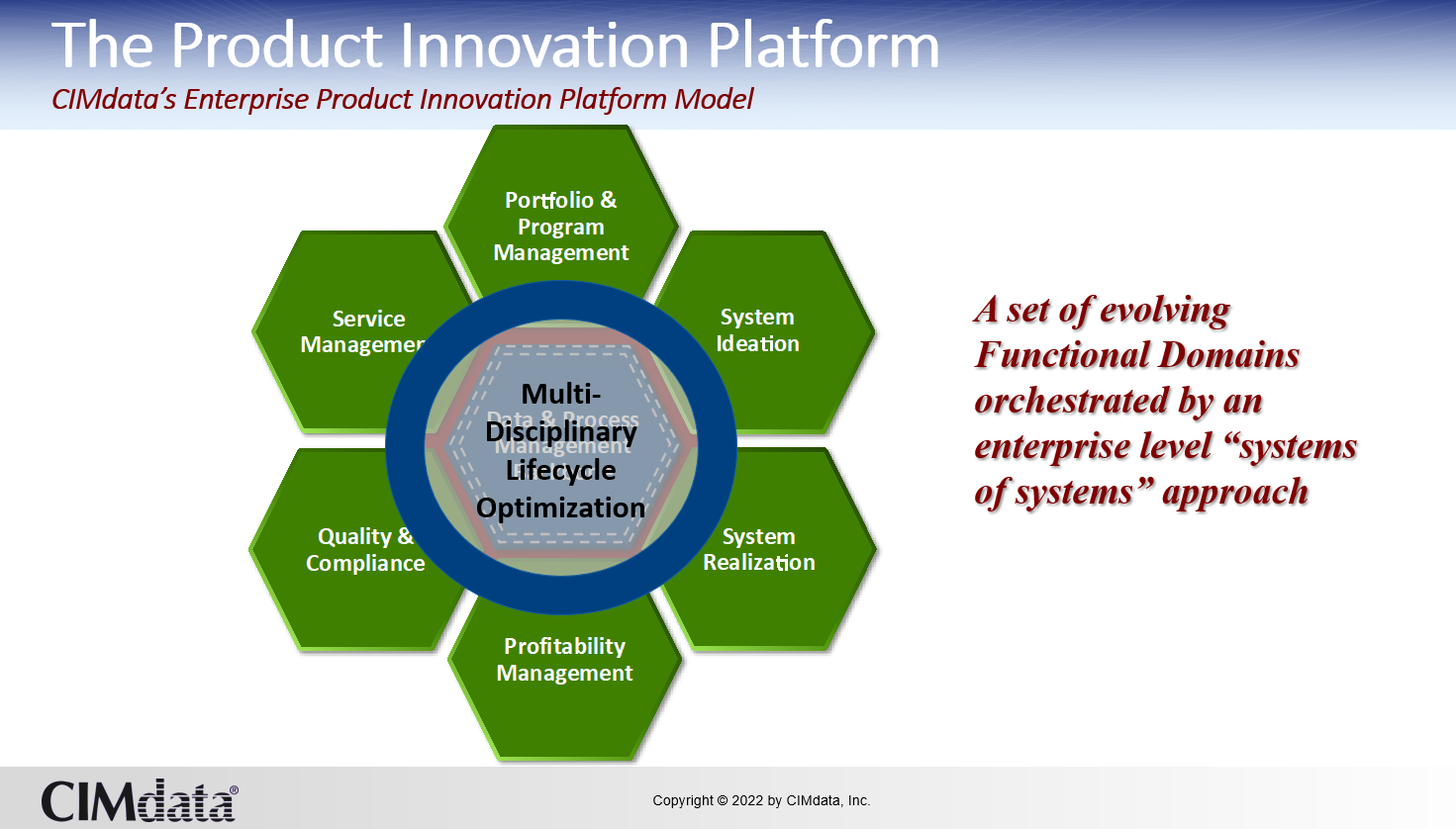

 For example, OCM must be executed alongside an organization’s digital skills transformation program. Our OCM services focus on strategic planning and execution support. We have found that most companies understand the importance of OCM, often don’t fully follow through on it.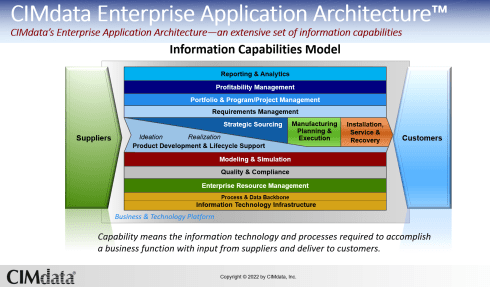
 The starting point is understanding your systems of systems environment and where bottlenecks exist.
 Talking with Peter made me again aware of a few things. First, it is important to differentiate between education and training. Where education is a continuous process, training is an activity that must take place at the right time. Unfortunately, we often mix those two terms and believe that people are educated after having followed a training.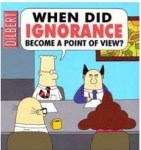
 After two quiet weeks of spending time with my family in slow motion, it is time to start the year.
 A must-read book was written by
 The book Sapiens by Yuval Harari made me realize the importance of storytelling in the domain of PLM and business transformation. In short, Yuval Harari explains why the human race became so dominant because we were able to align large groups around an abstract theme. The abstract theme can be related to religion, the power of a race or nation, the value of money, or even a brand’s image.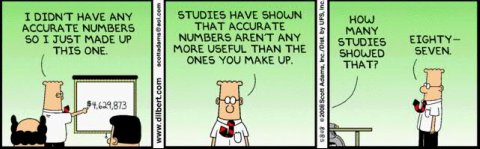



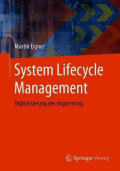
 I briefly mentioned the book in my series
  Where John Stark’s book might miss the PLM details, Martin’s book brings you everything in detail and with all its references.


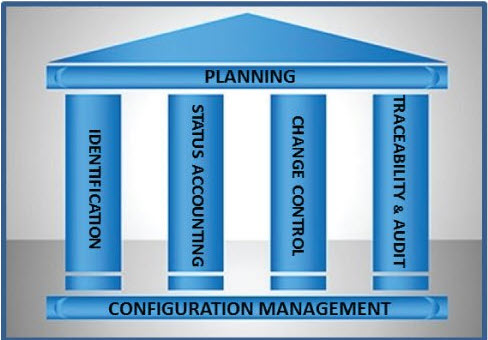
 By providing the appropriate change processes and guidance, configuration management either avoids costly mistakes and iterations during all phases of a product lifecycle or guarantees the quality of the product and information to ensure safety.
 Similar to what is said in smaller companies related to PLM, CM is often seen as an overhead, as employees believe they thoroughly understand their products. In addition, CM is seen as a hurdle to innovation because of the standardization of practices. So yes, they think it is normal that there are sometimes problems. That’s life.





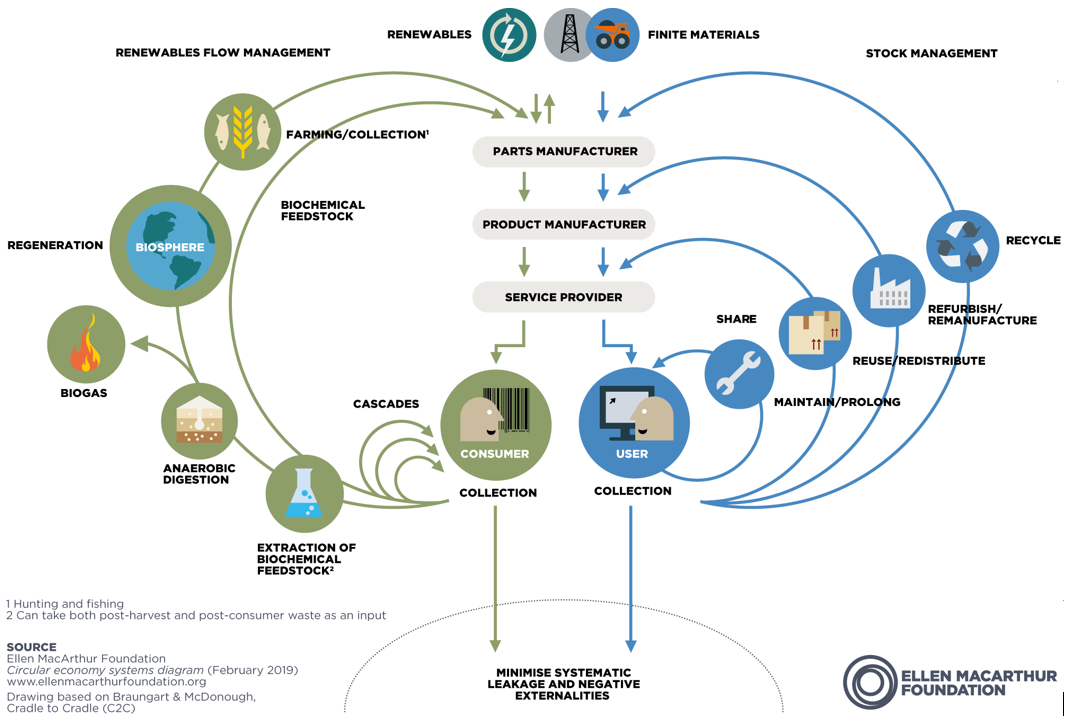

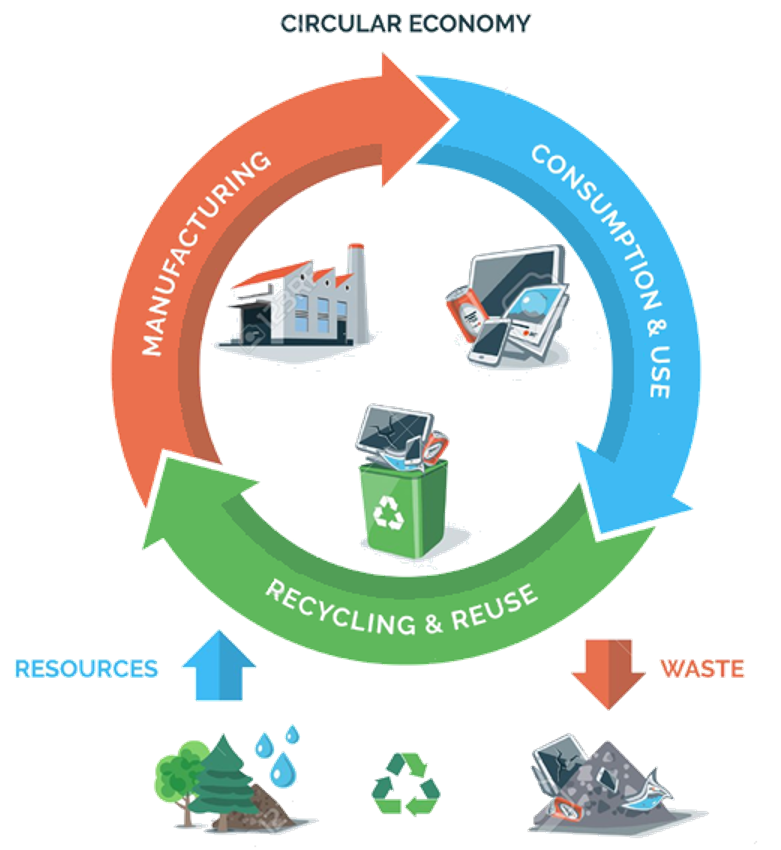
 The concept of Product as a Service is not something that typical manufacturing companies endorse. Instead, it requires them to restructure their business and restructure their product.
 There was some resistance when I proposed creating an enterprise product information backbone (a PLM infrastructure) with aligned processes. It would force people to work upfront in a coordinated manner. Now with the digitization of operations, this is no longer a point of discussion.
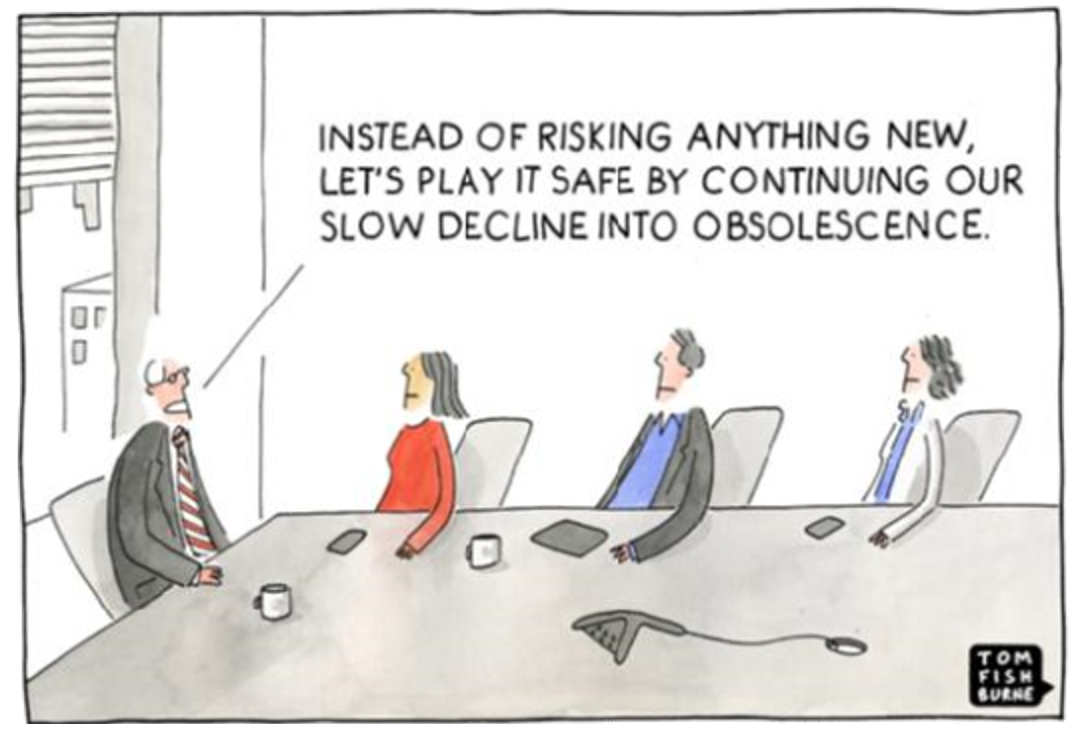
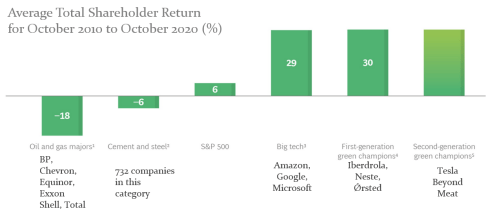
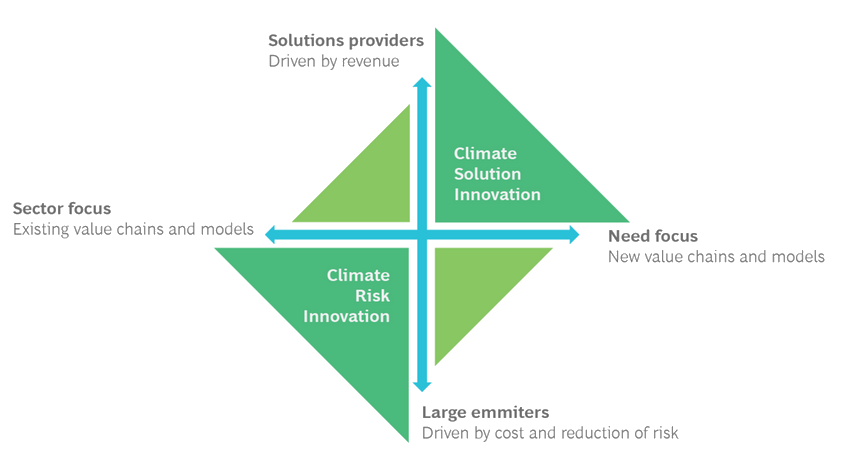

 Over two hundred attendees connected for the two days, and you can

 I believe many of them should be familiar to you as these themes have been “in the air” already for quite some time. Vendors first and slowly companies start to investigate them when relevant. You will find many of them back in my recent series:



 Like transport before containerization, the exchange of information is not standardized and designed for digital exchange. Torbjorn believes that more and more companies will insist on exchange standards – like
 This conference has always been known for its attention to the circular economy and green thinking. In the past, these topics might have been considered disconnected from our PLM practices; now, they have become a part of everyone’s mission.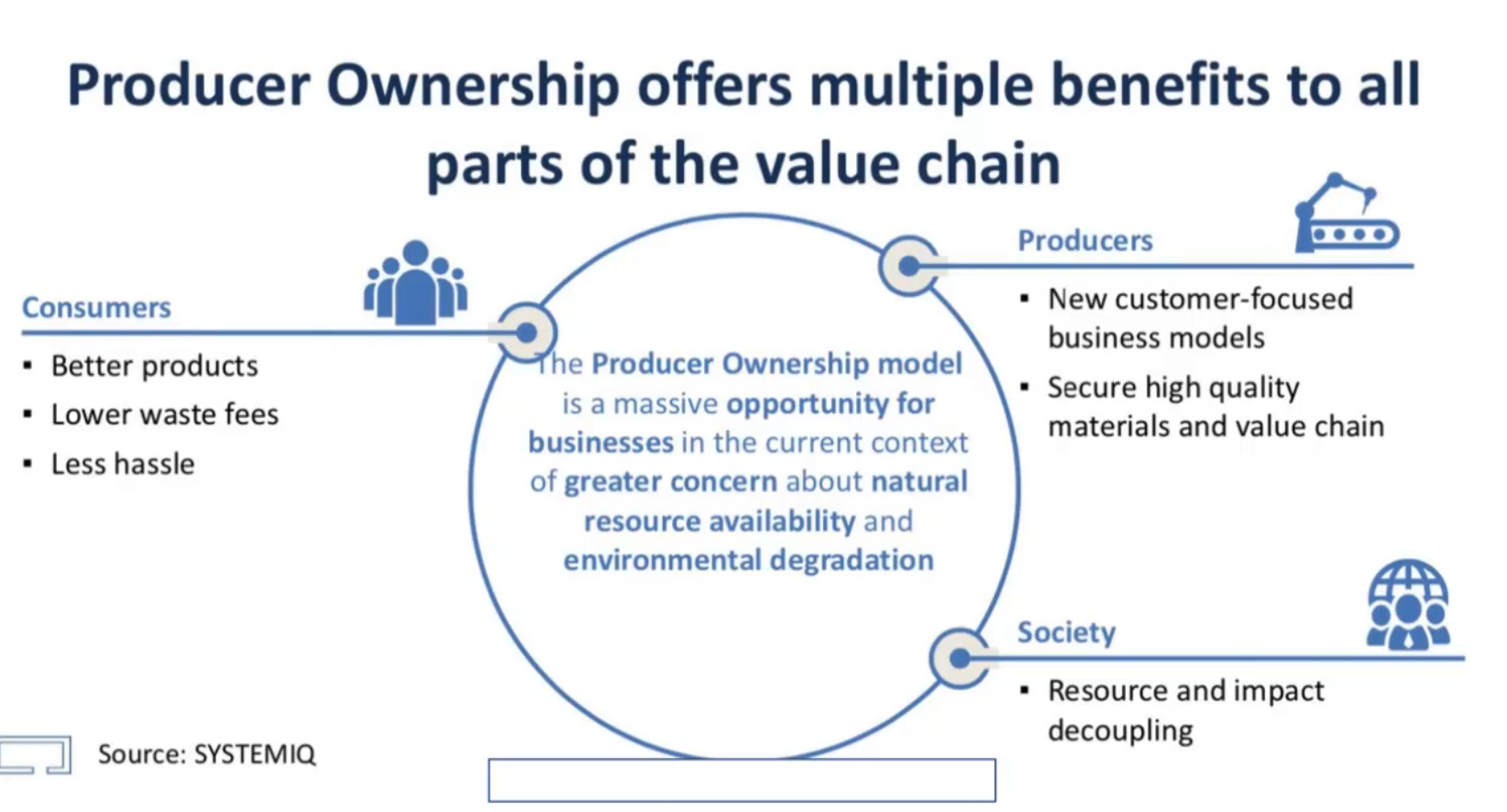
 His thoughts are aligned with what is happening in Europe related to the European Green Deal (not in his presentation). There is a push for a PaaS model for all products as this would be an excellent stimulant for the circular economy. PaaS combined with a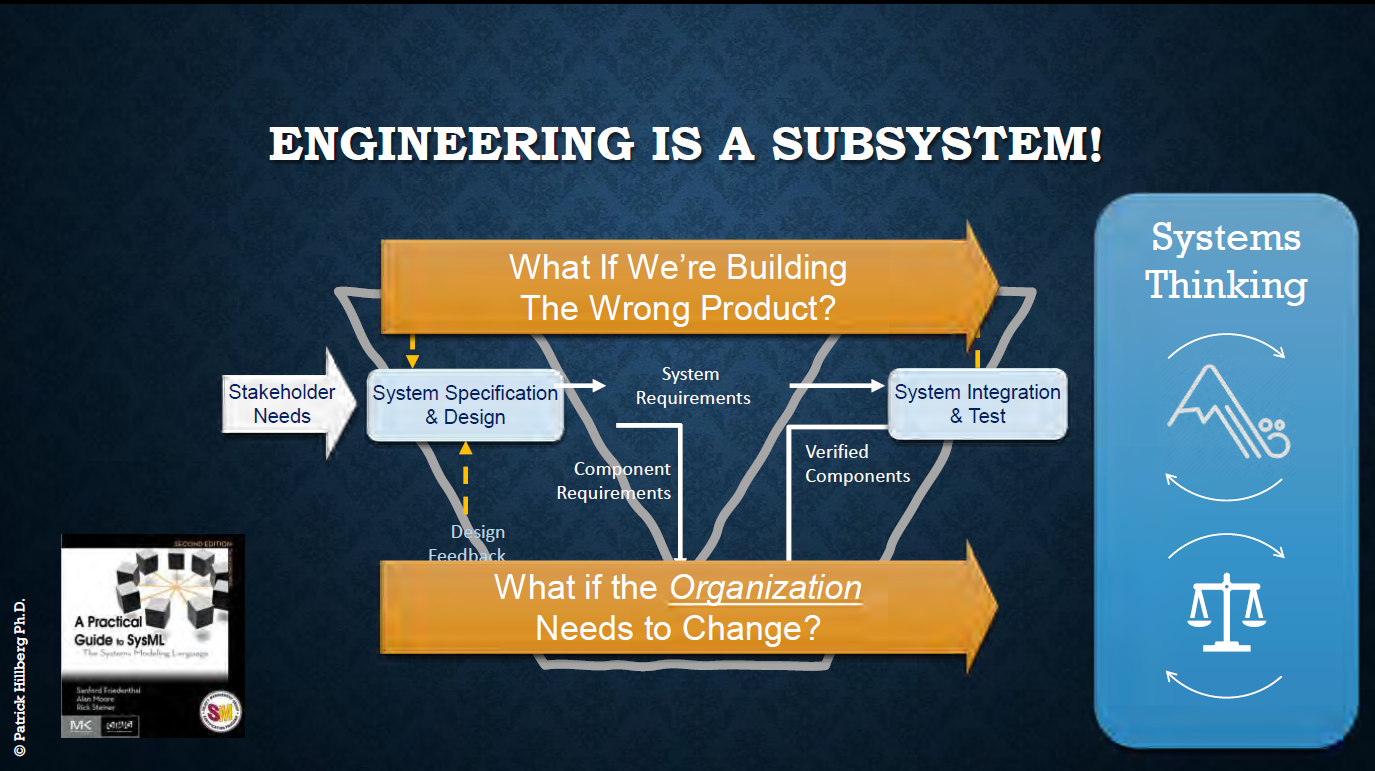
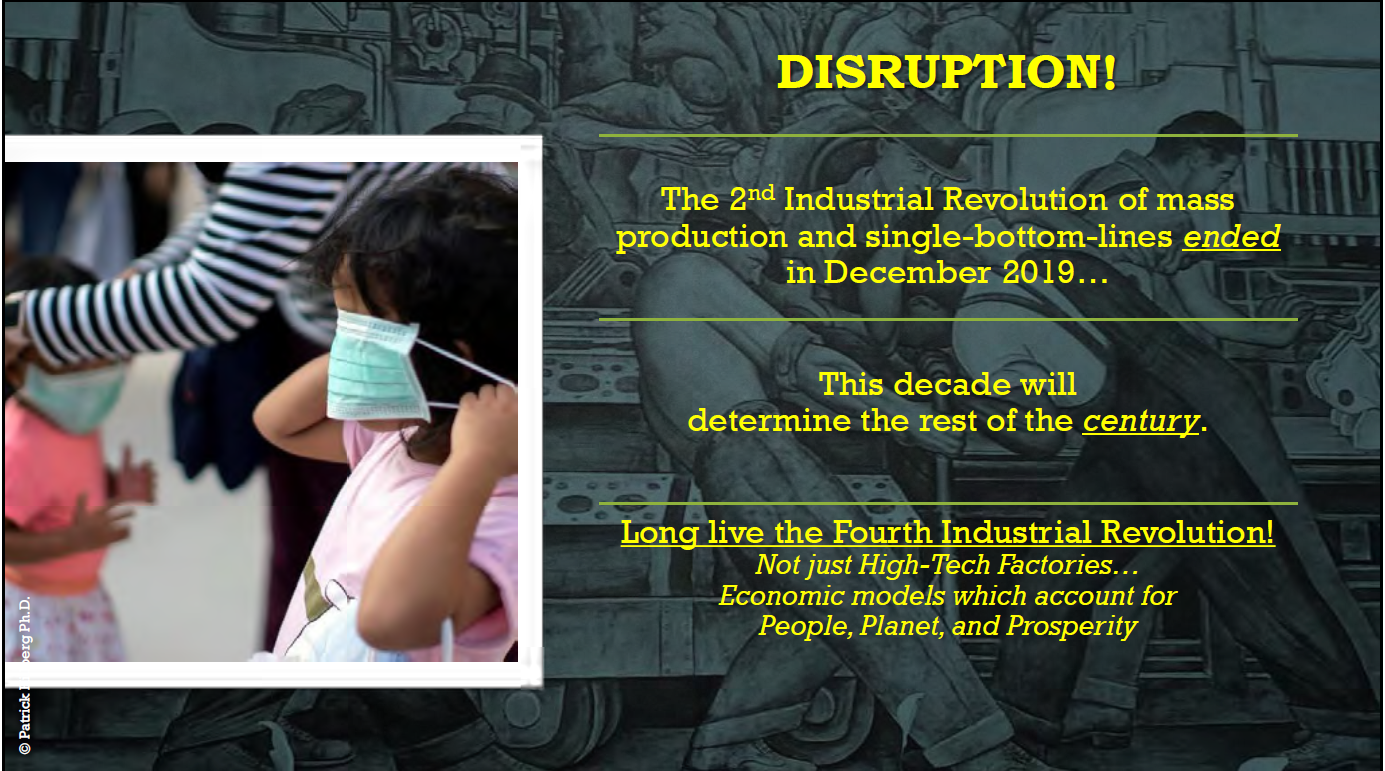

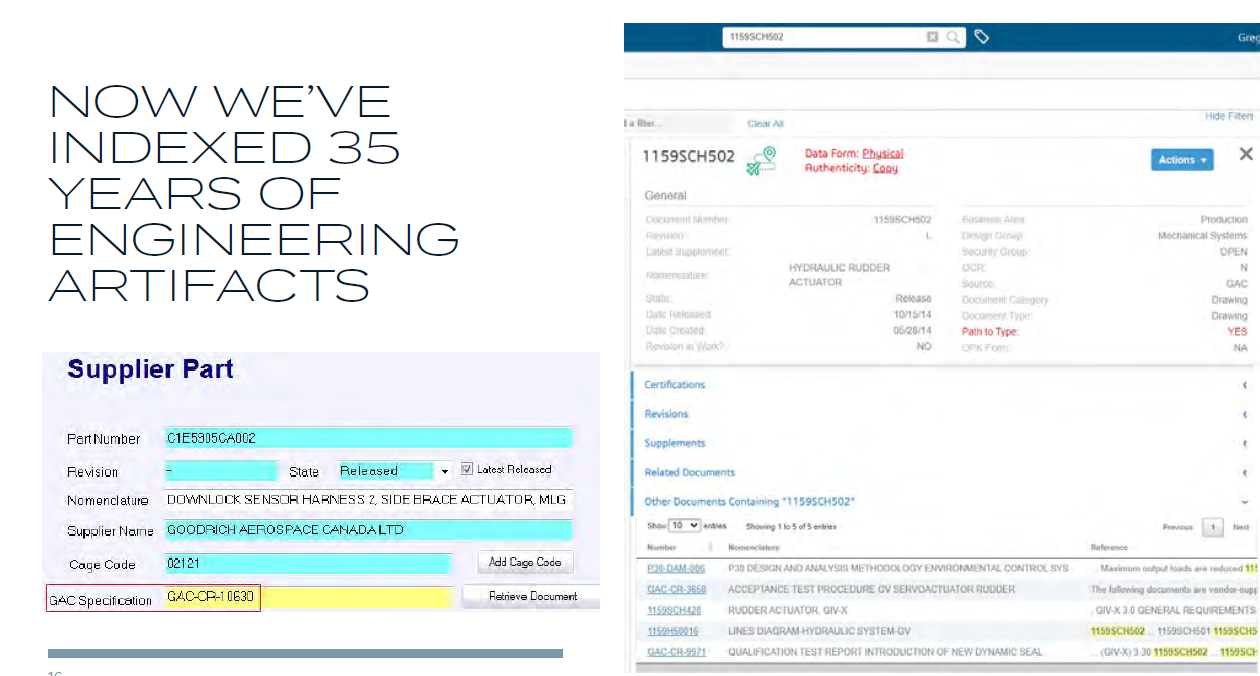
 Warning: Don’t use this by default at home (your company). The data in a regulated industry like Aerospace is expected to be of high quality due to the configuration management processes in place. If your company does not have a strong CM practice, the retrieved data might be inaccurate.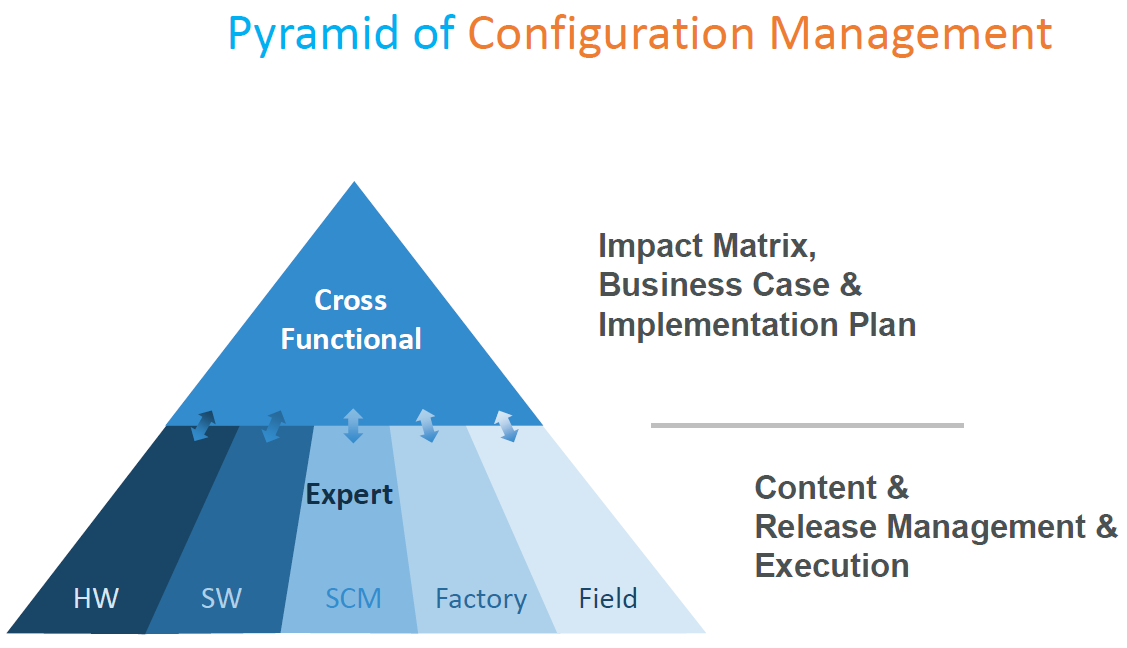
 When I started this series in July, I expected to talk mostly about new ways of working, enabled through a data-driven and model-based approach. However, when analyzing what is needed for such a future (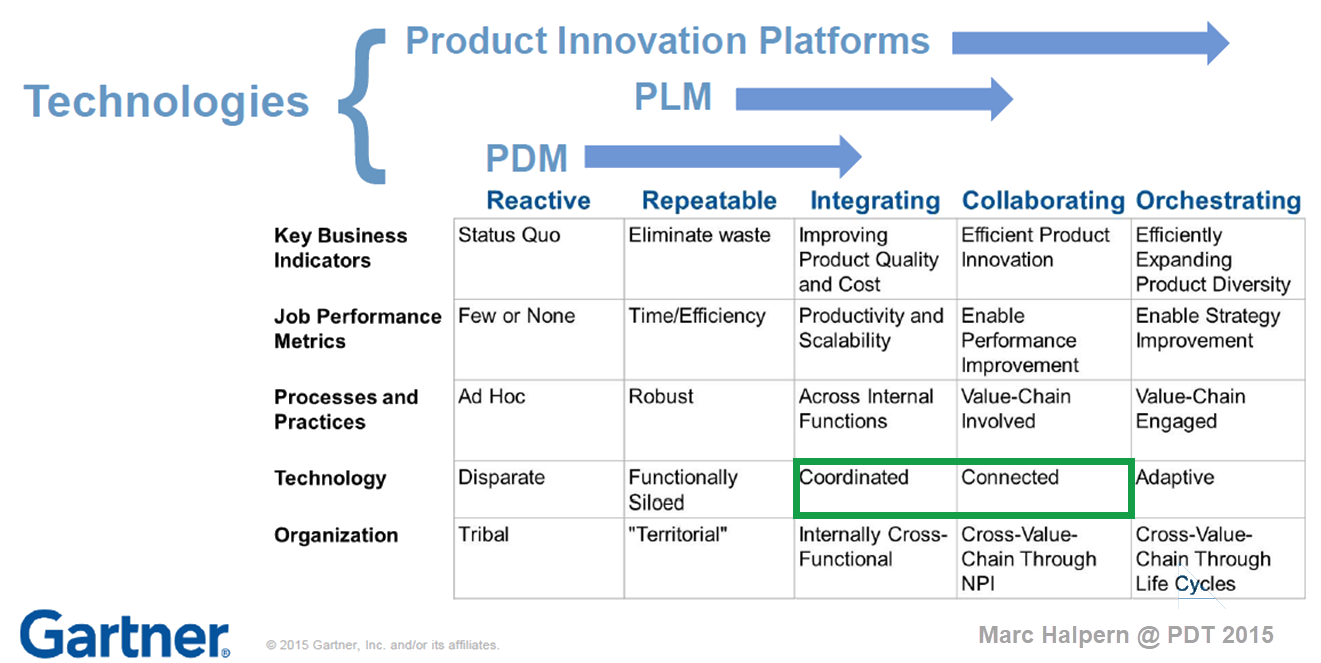

 post:
post: 


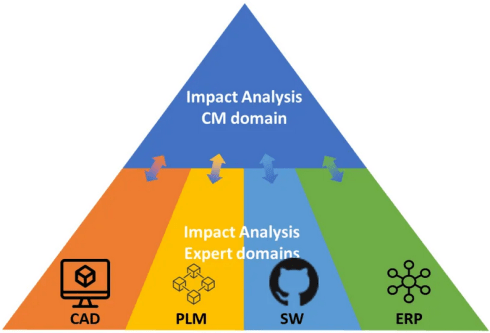

 The transition to a data-driven and model-based infrastructure has raised the following questions:
 I don’t have answers to these questions. I only share observations and trends I see in my actual world.
 The image on the left, borrowed from Erik Herzog’s presentation at the PDM Roadmap & PDT Fall conference in 2020, is a good illustration of the challenge.


 Solutions like

 Jos Voskuil's Weblog
Interesting reflection, Jos. In my experience, the situation you describe is very recognizable. At the company where I work, sustainability…
[…] (The following post from PLM Green Global Alliance cofounder Jos Voskuil first appeared in his European PLM-focused blog HERE.) […]
[…] recent discussions in the PLM ecosystem, including PSC Transition Technologies (EcoPLM), CIMPA PLM services (LCA), and the Design for…
Jos, all interesting and relevant. There are additional elements to be mentioned and Ontologies seem to be one of the…
Jos, as usual, you've provided a buffet of "food for thought". Where do you see AI being trained by a…