
 While preparing my presentation for the Dutch Model-Based Definition solutions event, I had some reflections and experiences discussing Model-Based Definition. Particularly in traditional industries. In the Aerospace & Defense, and Automotive industry, Model-Based Definition has become the standard. However, other industries have big challenges in adopting this approach. In this post, I want to share my observations and bring clarifications about the importance.
What is a Model-Based Definition?
The Wiki-definition for Model-Based Definition is not bad:
 Model-based definition (MBD), sometimes called digital product definition (DPD), is the practice of using 3D models (such as solid models, 3D PMI and associated metadata) within 3D CAD software to define (provide specifications for) individual components and product assemblies. The types of information included are geometric dimensioning and tolerancing (GD&T), component level materials, assembly level bills of materials, engineering configurations, design intent, etc.
By contrast, other methodologies have historically required the accompanying use of 2D engineering drawings to provide such details.
 When I started to write about Model-Based definition in 2016, the concept of a connected enterprise was not discussed. MBD mainly enhanced data sharing between engineering, manufacturing, and suppliers at that time. The 3D PMI is a data package for information exchange between these stakeholders.
The main difference is that the 3D Model is the main information carrier, connected to 2D manufacturing views and other relevant data, all connected in this package.
MBD – the benefits
 There is no need to write a blog post related to the benefits of MBD. With some research, you find enough reasons. The most important benefits of MBD are:
- the information is and human-readable and machine-readable. Allowing the implementation of Smart Manufacturing / Industry 4.0 concepts
- the information relies on processes and data and is no longer dependent on human interpretation. This leads to better quality and error-fixing late in the process.
- MBD information is a building block for the digital enterprise. If you cannot master this concept, forget the benefits of MBSE and Virtual Twins. These concepts don’t run on documents.
To help you discover the benefits of MBD described by others – have a look here:
- What is MBD, and what are its benefits?
- MBD Efficiencies for Small Manufacturers
- 5 reasons to use MBD
- 10 reasons why everyone is moving away from traditional 2D drawings
MBD as a stepping stone to the future
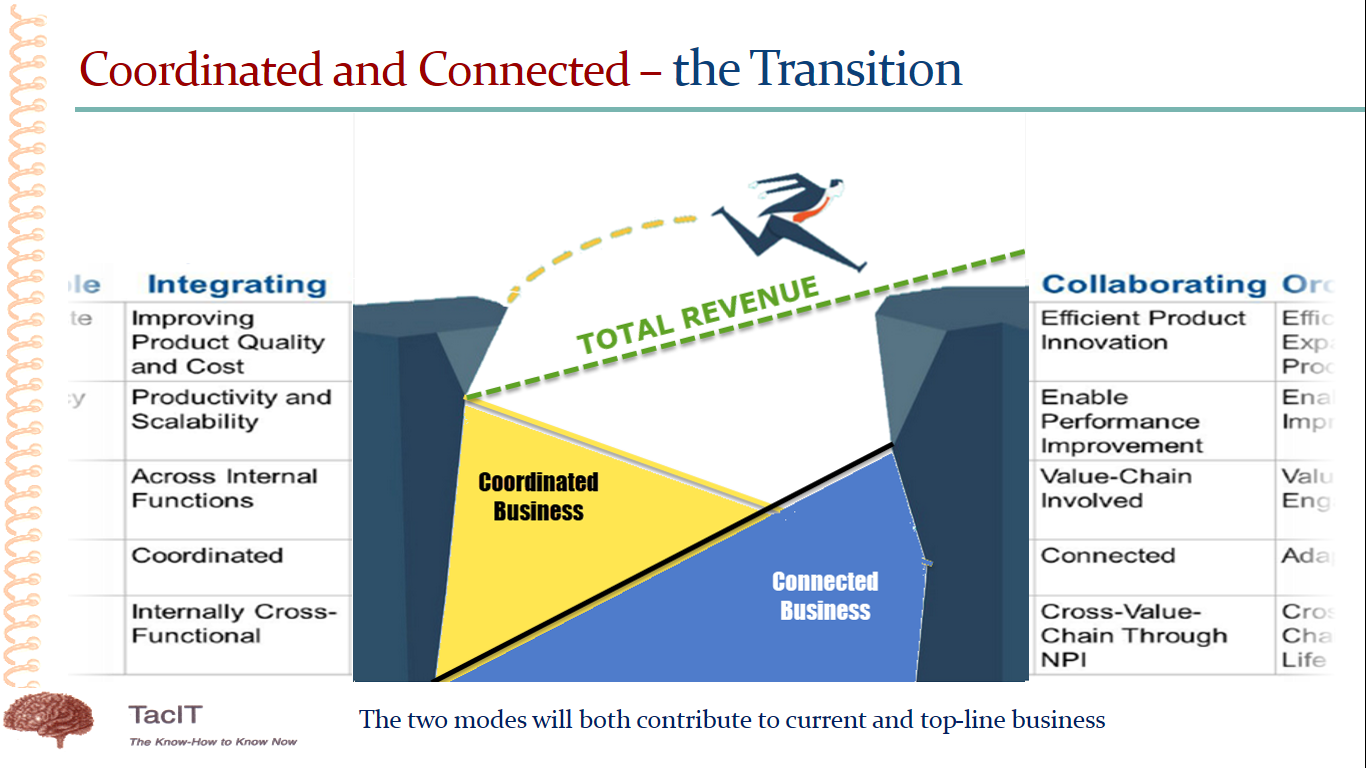
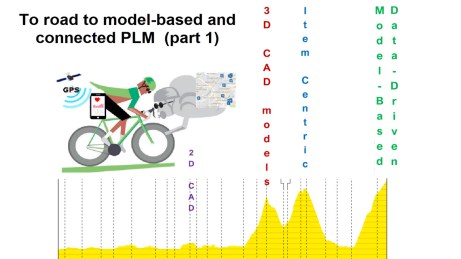
 When you are able to implement model-based definition practices in your organization and connect with your eco-system, you are learning what it means to work in a connected matter. Where the scope is limited, you already discover that working in a connected manner is not the same as mandating everyone to work with the same systems or tools. Instead, it is about new ways of working (skills & people), combined with exchange standards (which to follow).
Where MBD is part of the bigger model-based enterprise, the same principles apply for connecting upstream information (Model-Based Systems Engineering) and downstream information(IoT-based operation and service models).
Oleg Shilovitsky addresses the same need from a data point of view in his recent blog: PLM Strategy For Post COVID Time. He makes an important point about the Digital Thread:
Digital Thread is one of my favorite topics because it is leading directly to the topic of connected data and services in global manufacturing networks.
I agree with that statement as the digital thread is like MBD, another steppingstone to organize information in a connected manner, even beyond the scope of engineering-manufacturing interaction. However, Digital Thread is an intermediate step toward a full data-driven and model-based enterprise.
 To master all these new ways is working, it is crucial for the management of manufacturing companies, both OEM and their suppliers, to initiate learning programs. Not as a Proof of Concept but as a real-life, growing activity.
Why MBD is not yet a common practice?
 If you look at the success of MBD in Aerospace & Defense and Automotive, one of the main reasons was the push from the OEMs to align their suppliers. They even dictated CAD systems and versions to enable smooth and efficient collaboration.
In other industries, there we not so many giant OEMs that could dictate their supply chain. Often also, the OEM was not even ready for MBD. Therefore, the excuse was often we cannot push our suppliers to work different, let’s remain working as best as possible (the old way and some automation)
 Besides the technical changes, MBD also had a business impact. Where the traditional 2D-Drawing was the contractual and leading information carrier, now the annotated 3D Model has to become the contractual agreement. This is much more complex than browsing through (paper) documents; now, you need an application to open up the content and select the right view(s) or datasets.
In the interaction between engineering and manufacturing, you could hear statements like:
you can use the 3D Model for your NC programming, but be aware the 2D drawing is leading. We cannot guarantee consistency between them.
In particular, this is a business change affecting the relationship between an OEM and its suppliers. And we know business changes do not happen overnight.
Smaller suppliers might even refuse to work on a Model-Based definition, as it is considered an extra overhead they do not benefit from.
In particular, when working with various OEMs that might have their own preferred MBD package content based on their preferred usage. There are standards; however, OEMs often push for their preferred proprietary format.
It is about an orchestrated change.
Implementing MBD in your company, like PLM, is challenging because people need to be aligned and trained on new ways of working. In particular, this creates resistance at the end-user level.
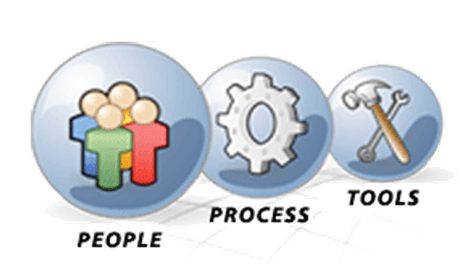 Similar to the introduction of mainstream CAD (AutoCAD in the eighties) and mainstream 3D CAD (Solidworks in the late nineties), it requires new processes, trained people, and matching tools.

I am aware of learning materials coming from the US, not so much about European or Asian thought leaders. Feel free to add other relevant resources for the readers in this post’s comments. Have a look and talk with:
 Action Engineering with their OSCAR initiative: Bringing MBD Within Reach. I spoke with Jennifer Herron, founder of Action Engineering, a year ago about MBD and OSCAR in my blog post: PLM and Model-Based Definition.

Another interesting company to follow is Capvidia. Read their blog post to start with is MBD model-based definition in the 21st century.
The future
What you will discover from these two companies is that they focus on the connected flow of information between companies while anticipating that each stakeholder might have their preferred (traditional) PLM environment. It is about data federation.
 The future of a connected enterprise is even more complex. So I was excited to see and download Yousef Hooshmand’s paper: ”From a Monolithic PLM Landscape to a Federated Domain and Data Mesh”.
Yousef and some of his colleagues report about their PLM modernization project @Mercedes-Benz AG, aiming at transforming a monolithic PLM landscape into a federated Domain and Data Mesh.
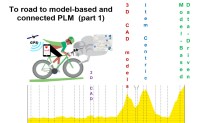
This paper provides a lot of structured thinking related to the concepts I try to explain to my audience in everyday language. See my The road to model-based and connected PLM thoughts.
This paper has much more depth and is a must-read and must-discuss writing for those interested – perhaps an opportunity for new startups and a threat to traditional PLM vendors.
Conclusion
Vellum drawings are almost gone now – we have electronic 2D Drawings. The model-based definition has confirmed the benefits of improving the interaction between engineering, manufacturing & suppliers. Still, many industries are struggling with this approach due to process & people changes needed. If you are not able or willing to implement a model-based definition approach, be worried about the future. The eco-systems will only run efficiently (and survive) when their information exchange is based on data and models. Start learning now.
p.s. just out of curiosity:
If you are model-based advocate support this post with a 
 Once and a while, the discussion pops up if, given the changes in technology and business scope, we still should talk about PLM.
  However, most people, particularly at the C-level, consider PLM as something complex, costly, and related to engineering. Partly this had to do with the early introduction of PLM, which was a little more advanced than PDM.
 In my posts, I talked about modern PLM. I described it as data-driven, often in relation to a model-based approach. And as a result of the data-driven approach, a digital PLM environment could be connected to processes outside the engineering domain. I wrote a series of posts related to the potential of such a new PLM infrastructure (

 This is where I position the digital twin. Modern PLM infrastructures are in real-time connected to the business. Still, PLM will have its system of record needs; however, the real value will come from the real-time collaboration.
 The traditional PLM consultant should transform into a business consultant, understanding technology. Historically this was the opposite, creating friction in companies.

 In March, we interviewed
  In my last blog post,
  Therefore we were happy to discuss last week with



 Let’s look at something companies might already practice,
  The regulation is currently still suffering in execution as most of the reporting and evaluation of chemicals is done manually. Suppliers report their chemicals in documents, and companies report the total of chemicals in their summary reports. Then, finally, authorities have to go through these reports.
 The European Commission has published an action plan for the circular economy, one of the most important building blocks of the European Green Deal. One of the defined measures is the gradual introduction of a Digital Product Passport (DPP). As the quality of an LCA depends on the quality and trustworthy information about products and materials, the DPP is targeting to ensure circular economy metrics become reliable.
 Becoming data-driven and model-based, of course, is not the business driver. However, this change is needed to be able to perform Life Cycle Assessments and comply with current and future regulations by remaining competitive.
 Having lived in Israel – the nation where almost everyone is a startup – and working with startups afterward in the past 10 years, I always get inspired by these people’s energy in startup companies. They have a unique value proposition most of the time, and they want to be visible on the market as soon as possible.
 For example, the new “green” transportation hype. Many cities now have been flooded with “green” scooters and electric bikes to promote transportation as a service. The idea behind this concept is that citizens do not require to own polluting motorbikes or cars anymore, and transportation means will be shared. Therefore, the city will be cleaner and greener.
 Out of curiosity: Do you know or work in a startup that has started with a data-driven and model-based vision from scratch? Please add the name of this company in the comments, and let’s learn how they did it.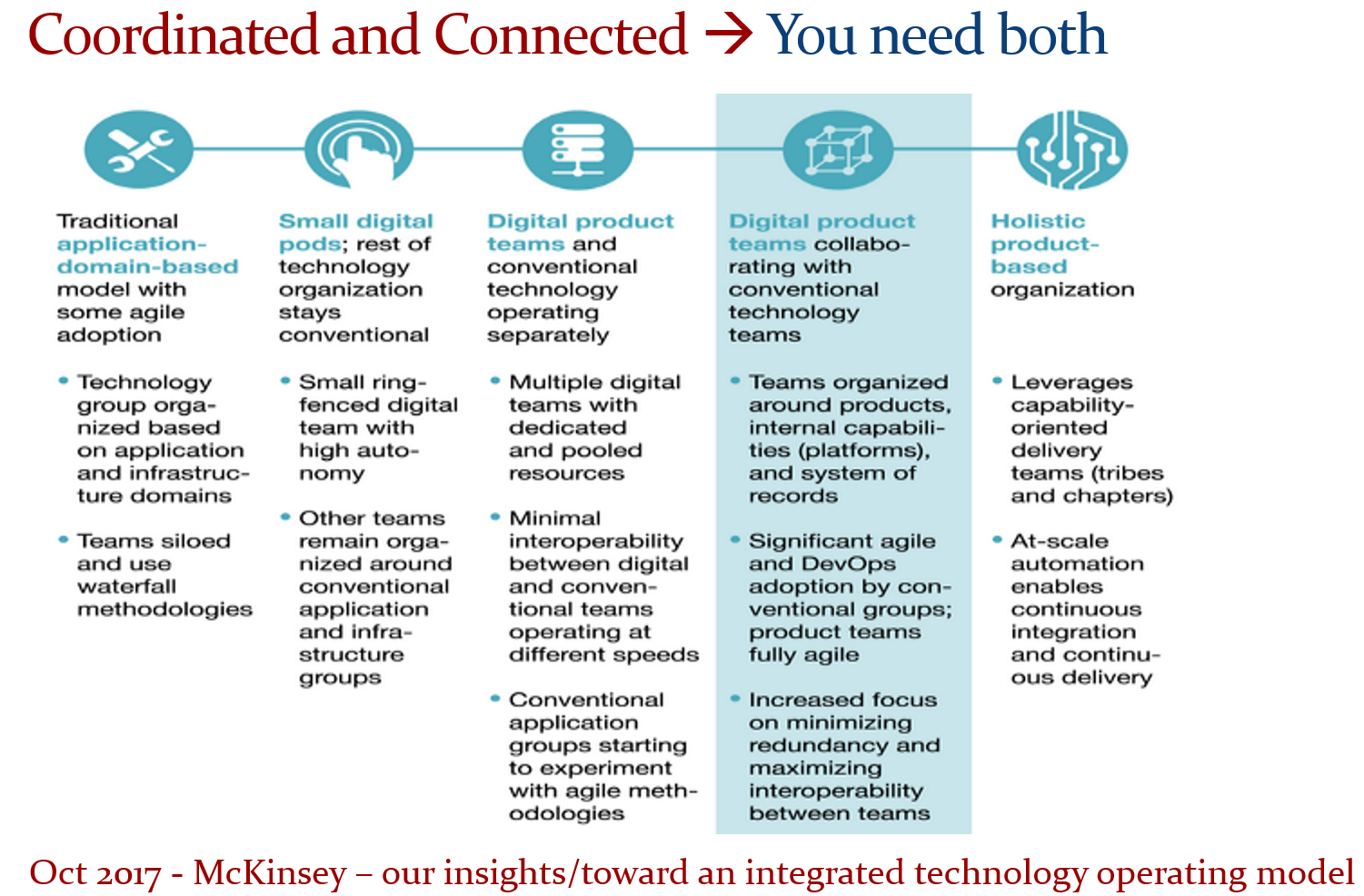
 Note: Before publishing this post, I read this interesting and complementary post from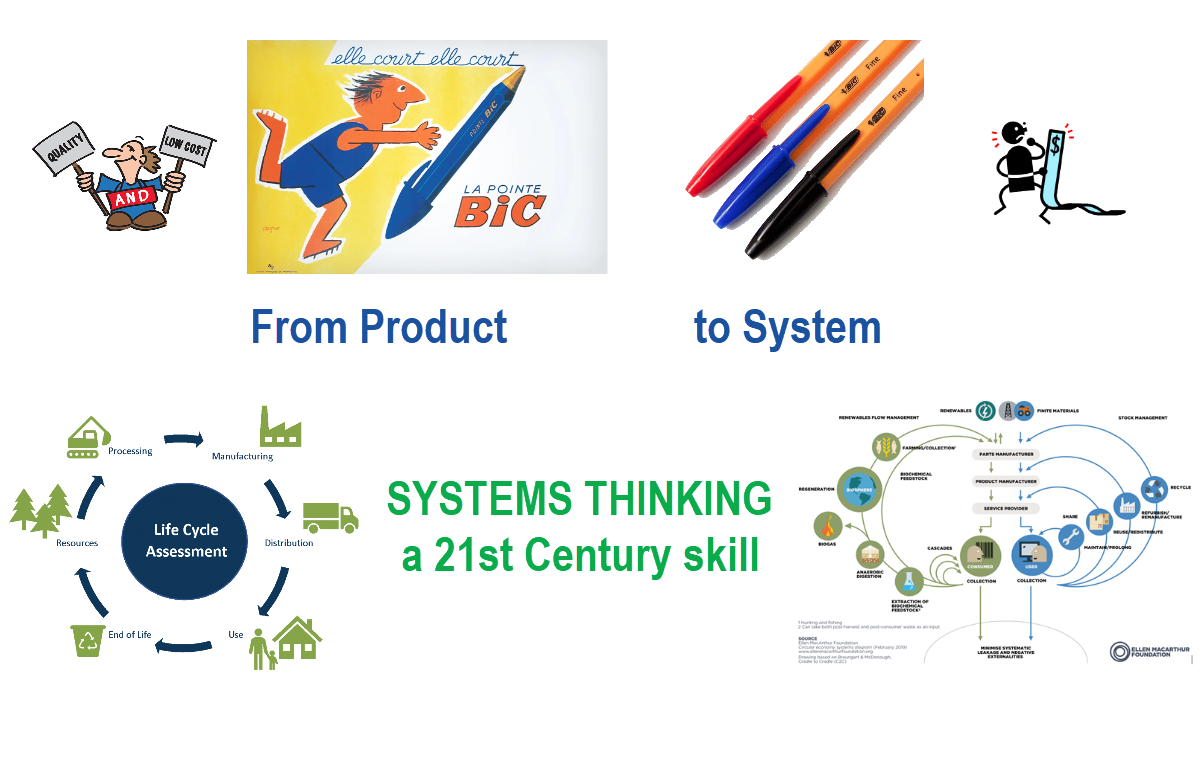




 The LinkedIn discussion related to

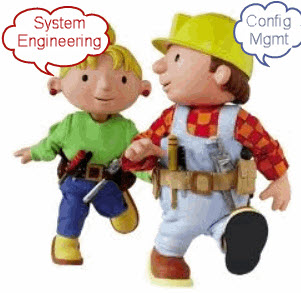
 What is a part? What is a material? What is a Workflow, and is it different from a Business Process? And also, for Configuration Management, you often see two definitions.
 With a more holistic view of the BIC pen, you might say: “What happens when children play with it?” And apparently, there were accidents with children stabbing themselves in the eye with the sharp cap.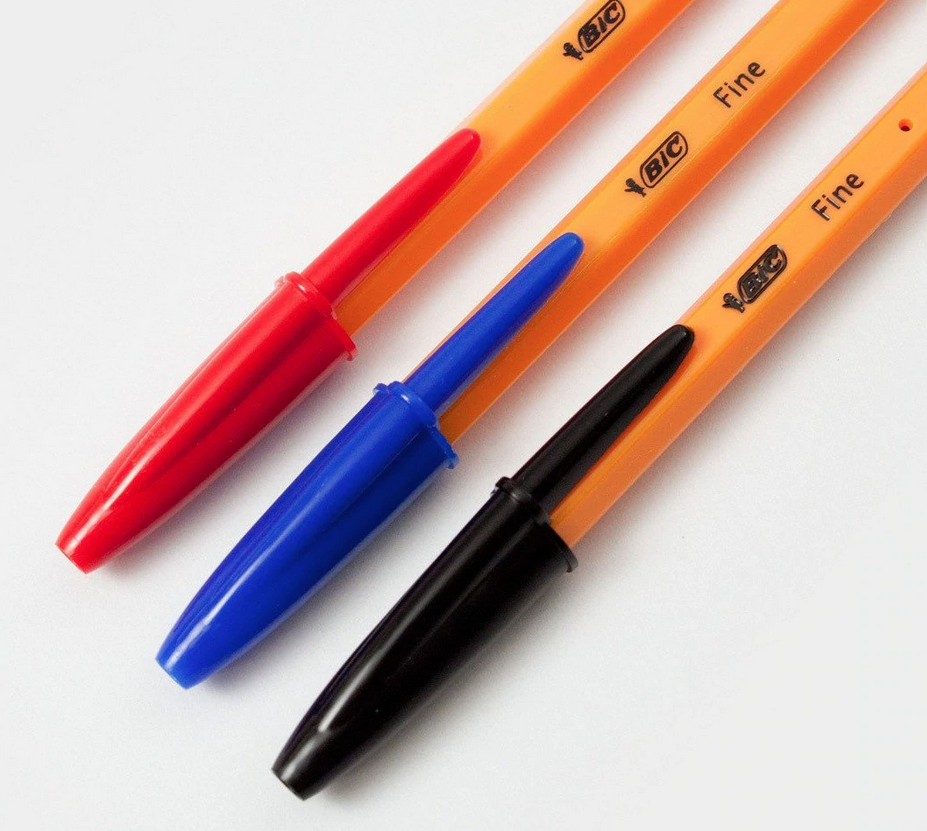


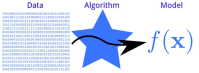 To manage complexity, we have always used models. The weather forecast is based on models, the profitability of a business is based on models, and the behavior of a product can be predicted and analyzed using models. This is Model-Based Systems Engineering MBSE), and I wrote a lot about the Model-Based approach last year. Read
 If it is up to the OEM, it is only costs, quality and compliance. Suppose the supplier will select an alternative material that has less impact on the environment. For example, recycling or needing less energy (carbon emissions) is easier to produce. In that case, this option might be more expensive. It is up to the OEM to decide if they accept this higher cost price to be more sustainable with their products.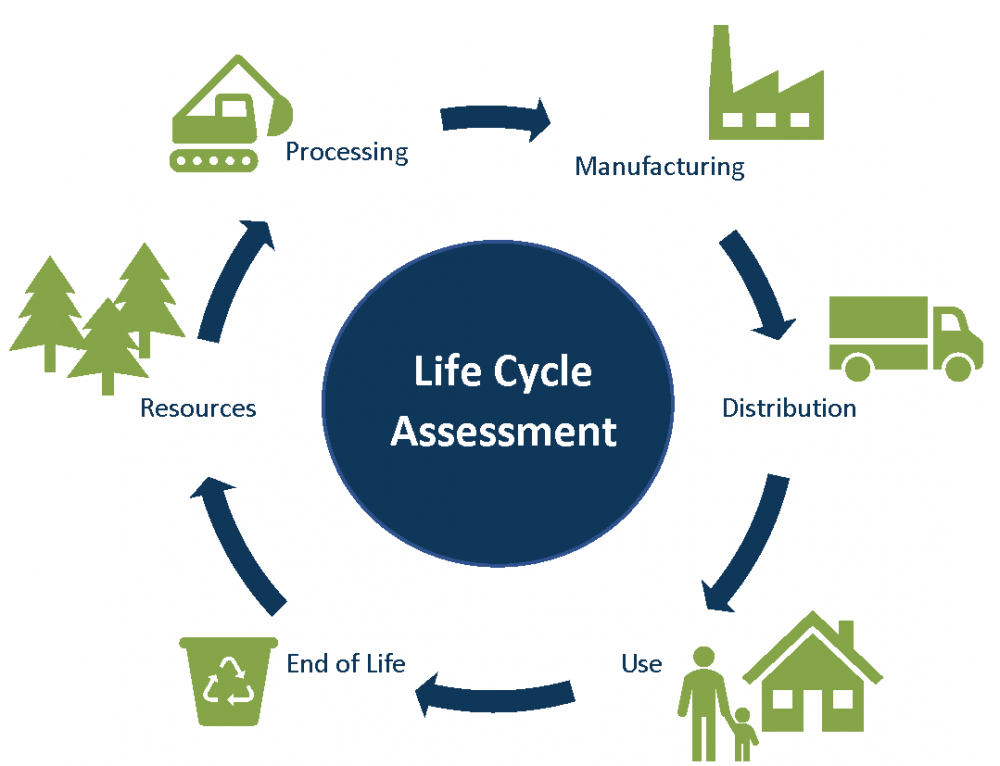
 Currently, we see this behavior with the rising energy prices. Unfortunately, people complain about the price instead of realizing the price has always been too low. Changing behavior (energy consumption) might be the best path for the future, but that is more difficult than complaining.
 War is a place where young people who don’t know each other, and don’t hate each other, kill each other, by the decision of old people who know each other, and hate each other, but don’t kill each other…”


 Autodesk was open to sharing its sustainability activities with us. So we spoke with
 Thanks to, or actually due to, the pandemic, climate disasters and the return of the US supporting the Paris Climate agreements, it became clear companies need to act. And preferably as soon as possible, which led to sustainability activities in many companies.
 In the past four weeks, I have been discussing PLM education from different angles through interviews with
 Their PLM Roadmap conferences have been one of the few consistent vendor-independent conferences that still take place.
 Besides their core offering, they are also justifying their name; they really share PLM information. So have a look at their



 My post with Quick Release illustrated the challenges of a PLM consultancy company. It showed their efforts to enable their consultants to be valuable for their customers and create a work environment that inspires them to grow and enjoy their work.
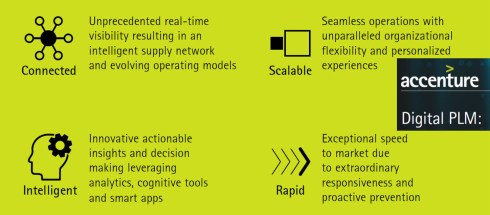
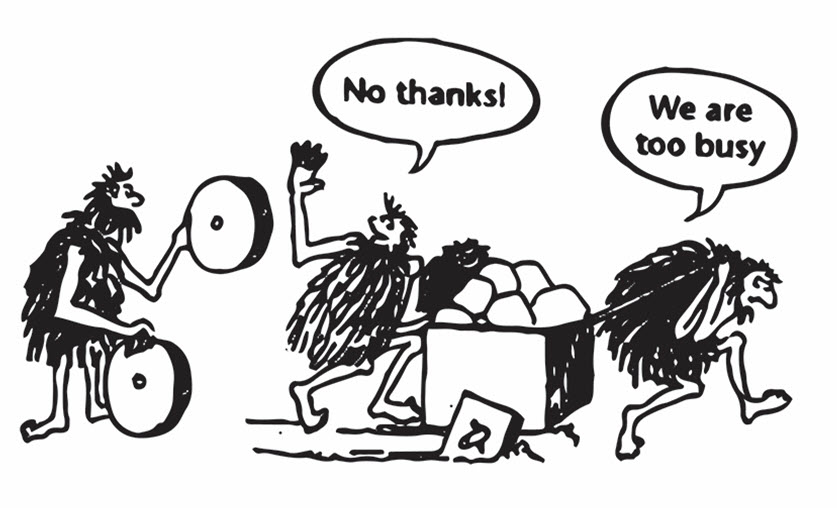
 Good consultants show their value by creating awareness and clarity first. Next, by helping the customer execute their strategy without big risks or hiccups. Finally, a good consultant becomes redundant as the knowledge has been transferred and digested to the customer.
 It is a small step from consultancy firms to system integrators, as many consultancy firms have specialists in their company that are familiar with certain vendors’ systems. And you might have discovered that the systems that require the most integration or configuration work have the largest practices globally.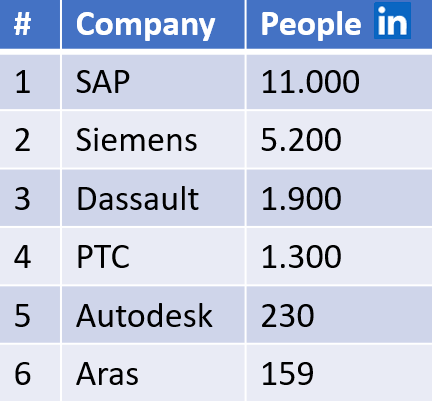
 System Integrators can benefit from their past experiences and best practices. It is a myth that every company is so unique and should be treated differently. Instead, companies are different because of historical reasons. And these differences to best practices are sometimes inhibitors instead of advantages.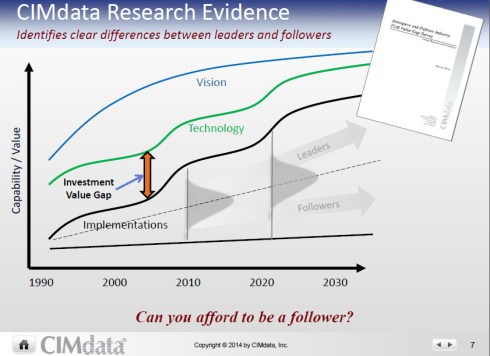

 Therefore we need education, education and education from different sources to build our own knowledge. It is not about the tool first. It is people, process and then tools/technology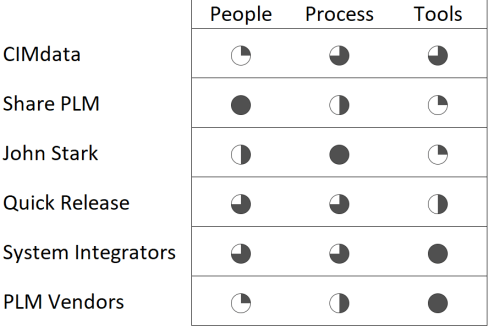


 Dave, can you tell us something more about Quick Release, further abbreviated to QR, and your role in the organization?
 Quick Release is a specialist PDM and PLM consultancy working primarily in the automotive sector in Europe, North America, and Australia. Robust data management and clear reporting of complex subjects are essential.


 The latter is used to help us continuously improve our offering. Our trainers are subject matter experts, but we encourage them to evolve their content and approach based on feedback.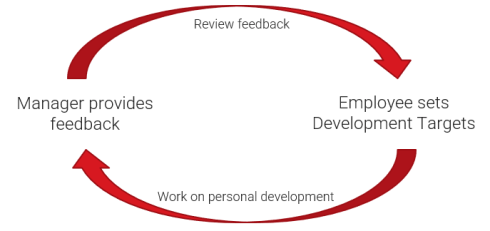

 We also carried out internal studies regarding the long-term retention of team members relative to onboarding quality. These studies show that team members who experience a more controlled and structured onboarding program are mostly more successful in roles.
 Therefore the idea of delivering a version of our training and onboarding program to clients is very attractive to us. We offer clients a shortened version of our bootcamp (focused on technical PDM, PLM and complexity management without the consultancy skills to our clients).
 We’d look to run that program over approximately 6 months so that the client can be confident that their staff has reached the level of technical expertise. There would be an upfront cost to the client to manage this.

 Jos Voskuil's Weblog
[…] (The following post from PLM Green Global Alliance cofounder Jos Voskuil first appeared in his European PLM-focused blog HERE.) […]
[…] recent discussions in the PLM ecosystem, including PSC Transition Technologies (EcoPLM), CIMPA PLM services (LCA), and the Design for…
Jos, all interesting and relevant. There are additional elements to be mentioned and Ontologies seem to be one of the…
Jos, as usual, you've provided a buffet of "food for thought". Where do you see AI being trained by a…
Hi Jos. Thanks for getting back to posting! Is is an interesting and ongoing struggle, federation vs one vendor approach.…