
- It does not make sense to define the future of PLM
- PLM is not an engineering solution anymore
- Linearity of business is faster becoming a holdback
- The Product in PLM is no longer a mechanical Product
- Planet Lifecycle Management has made a next major step
It does not make sense to define the future of PLM
 At the beginning of this year, there was an initiative to define the future of PLM for 2025 to give companies, vendors, implementors a guidance to what is critical and needed for PLM in 2015. Have a read here: The future of PLM resides in Brussels.
I believe it is already hard to agree what has been the recognized scope of PLM in the past 10 years, how can we define the future of PLM for the next 10 years. There are several trends currently happening (see the top 5 above) that all can either be in or out of scope for PLM. It is no longer about the definition of PLM; it is dynamically looking towards how businesses adapt their product strategy to new approaches.
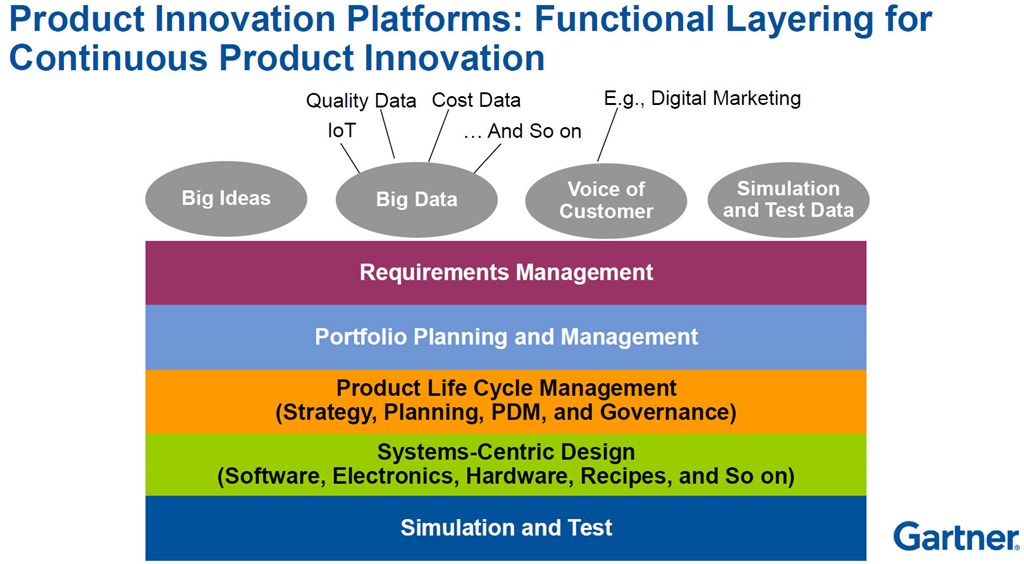
Therefore, I am more curious how Product Innovation platforms or Business Innovation platforms will evolve instead of focusing on a definition of what should be PLM in 2025. Have a further look here, such as, The Next Step in PLM’s Evolution: Its Platformization a CIMdata positioning paper.
Conclusion: The future is bright and challenging, let´s not fence it in by definitions.
PLM is not an engineering solution anymore
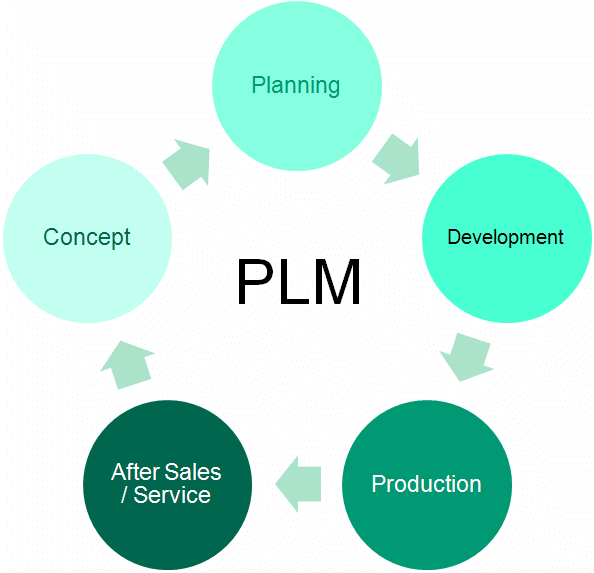 More and more in all the discussions I had this year with companies looking into PLM, most of them see now PLM as a product information backbone throughout the lifecycle, providing a closed-loop of information flow and visibility across all discipline.
End-to-end visibility, End-to-end tractability, Real-time visibility were some of the buzz-words dropped in many meetings.
These words really express the change happening. PLM is no longer an engineering front-end towards ERP; PLM interacts at each stage of the product lifecycle with other enterprise systems.
End-to-end means when products are manufactured we still follow them through the manufacturing process (serialization) and their behavior in the field (service lifecycle management/field analytics).
All these concepts require companies to align in a horizontal manner, instead of investing in optimizing their silos. Platformization, as discussed above, is a logic step for extending PLM.
Conclusion: If you implement PLM now, start thinking first about the end-to-end flow of information. Or to be more concrete: Don´t be tempted to start with engineering first. It will lock your new PLM again in an extended PDM silo.
Linearity of business is faster becoming a holdback
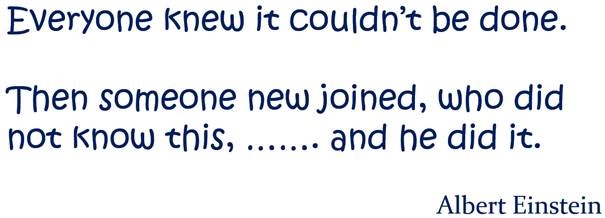
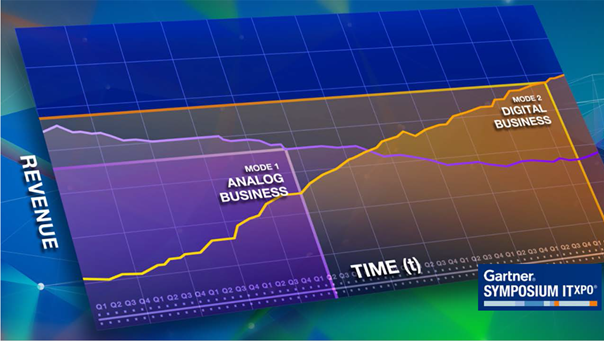
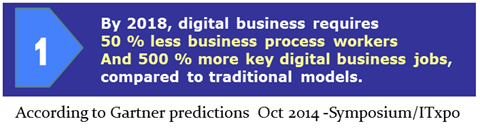
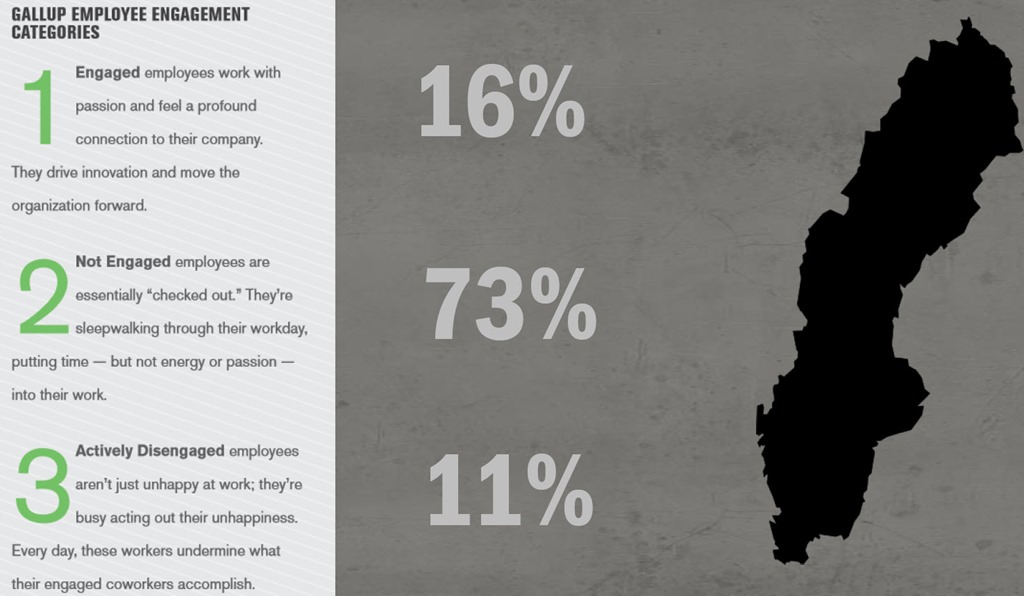
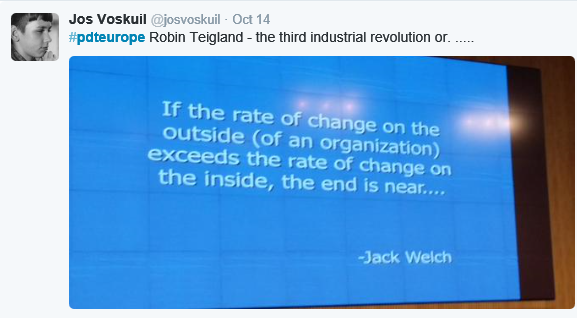
 Two years ago I started talking about: Did you notice PLM is changing ? This topic was not in the mainstream of PLM discussions two years ago. Now with the introduction of more and more software in products (products become systems), the linear process of bringing a product to the market has become a holdback.
The market /your customers expect faster and incremental innovations/ upgrades preferably without having to invest again in a new product. If you look back, the linear product development approach has not changed since the Second World War. We automated more and more the linear process. Remember the New Product Introduction hype around 2004 -2006, where companies started to extend the engineering process with a governance process to follow a product´s introduction from its early concept phase toward a globally available product. This process is totally linear. I wrote about it in my post: from a linear world to fast and circular, where the word circular is also addressing the change of delivering products as a service instead of deliver once and scrap them.
One of my favorite presentations is from Chris Armbruster: Rethinking Business for Exponential Times – enjoy if you haven´t seen this one.
Conclusion: The past two years the discussion related to modern, data-driven dynamic products and services has increased rapidly. Now with IoT, it has become a hype to be formalized soon as life goes faster and faster.
The Product in Product Lifecycle Management is no longer a mechanical Product
 I have mentioned it already in the previous point, the traditional way of working, designed and targeting a linear product development process, is no longer enough to support the product lifecycle.
When I started to implement PDM systems in the nineties, we tried to keep electrical engineering outside the scope as we had no clue how to manage their information in the context of a mechanical design. It was very rudimentary. Now PLM best practices exist to collaborate and synchronize around the EBOM in an integrated manner.
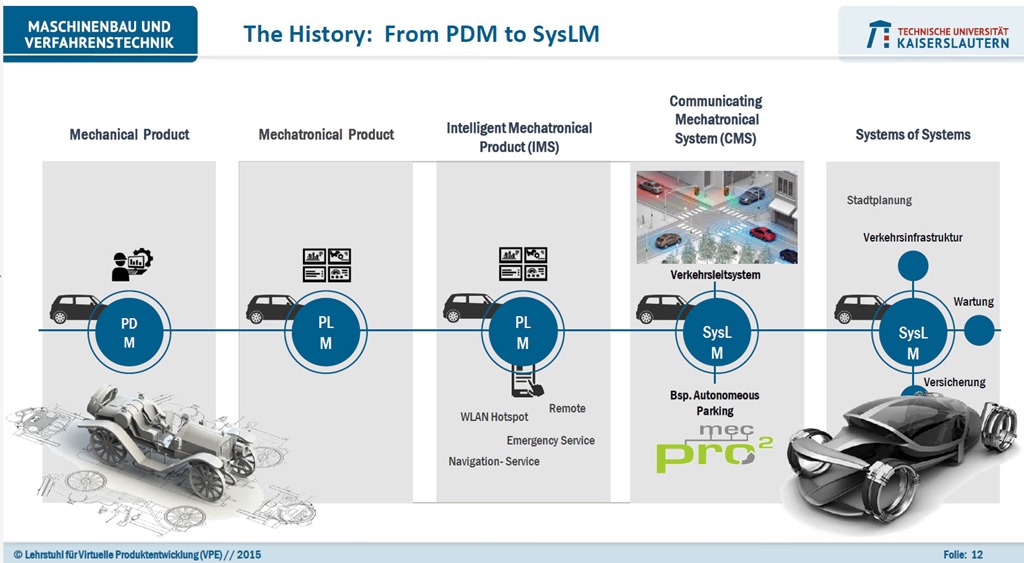
The upcoming challenge now is due to the software used in products, which turn them into systems. And not only that, software can be upgraded in a minute. So the classical ECR / ECO processes designed for hardware are creating too much overhead. Agile is the motto for software development processes. Now, we (PLM consultants/vendors) are all working on concepts and implementations where these worlds come together. PLM (Product Lifecycle Management), ALM (Asset Lifecycle Management) and SysLM (System Lifecycle Management as introduced by Prof. Martin Eigner – have a read here) are all abbreviations representing particular domains that need to flow together.
Conclusion: For most companies their products become systems with electronics and software. This requires new management and governance concepts. The challenge for all vendors & implementors.
Planet Lifecycle Management has made a next major step
 Finally good news came in the beginning of December, where for the first time all countries agreed that our planet needs to have a sustainable lifecycle. Instead of the classical lifecycle from cradle to grave we want to apply a sustainable lifecycle to this planet, when it is still possible. This decision is a major breakthrough pushing us all to leave the unsustainable past behind and to innovate and work on the future. The decisions taken in Paris should be considered as a call for innovative thinking. PLM can learn from that as I wrote earlier this year in my post PLM and Global Warming
Conclusion: 2015 was a year where some new trends became clear. Trends will become commodity faster and faster. A challenge for all of us to stay connected and understand what is happening. Never has the human brain challenged before to adapt to change with such an impact.
 Closing 2015 means for me a week of quietness and stepping out of the fast lane. I wish you all a healthy 2016 with a lot of respect, compromises and changing viewpoints. The current world is too complex to solve issues by one-liners.
Take your time to think and reflect – it works!
SEE AND HEAR YOU BACK IN 2016
Topics discussed in 2014-2015
PLM Basics
- The importance of a PLM data model: EBOM – MBOM
- EBOM and (CAD) Documents
- Some more EBOM methodology
- Products, BOMs, and Parts
- The Importance of a PLM data model
- Classification
PLM and Business Change
- Modern PLM brings Power to the People
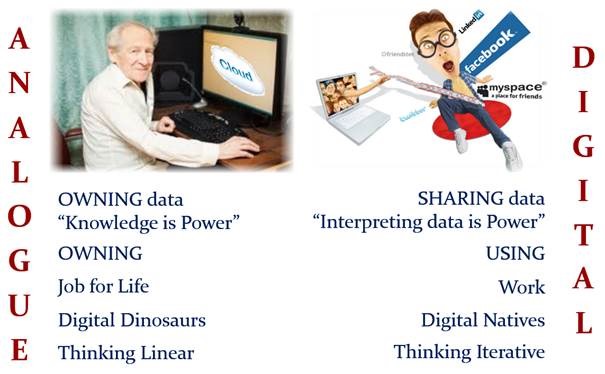
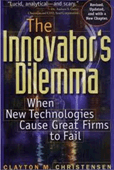
- The Innovator’s dilemma and Generation change
- The importance of change management with PLM
- PLM and Global warming
- Breaking down the silos with data
- From a linear world to fast and circular ?
From a linear world to a circular and fast-blog














![clip_image002[10]](https://virtualdutchman.com/wp-content/uploads/2015/10/clip_image00210.jpg "clip_image002[10]")

![clip_image002[12]](https://virtualdutchman.com/wp-content/uploads/2015/10/clip_image00212.jpg "clip_image002[12]")
![clip_image002[14]](https://virtualdutchman.com/wp-content/uploads/2015/10/clip_image00214.jpg "clip_image002[14]")














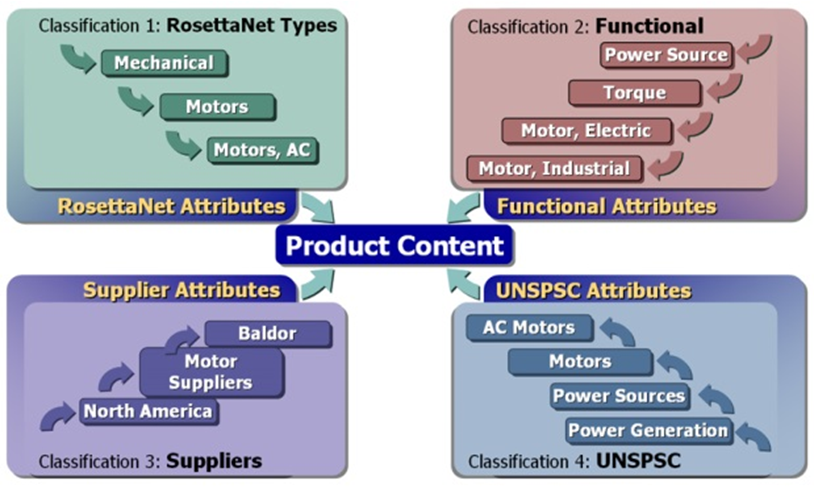








 Standard Parts are often designed parts that should be used across various products or product lines. The advantage of company standard parts is that it reduces costs throughout the whole product lifecycle. Less design time, less manufacturing setup time and material sourcing effort and potential lower material cost thanks to higher volumes. Any EBOM part could become at a certain moment a Company Standard part and it is recommended to use a classification related to these parts. Otherwise they will not be found again. As mentioned before I will come back to classification.
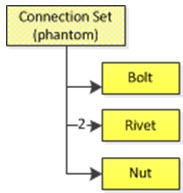
 Sometimes during the design of a product, several parts are logically grouped together from the design point of view, either because they are modular or because they always appear as a group of parts.
 In typical Engineering to Order or Build To Order deliveries there are components on the critical path of the product delivery. Components with a long lead time should be identified and ordered as early as possible during the delivery process. Often the EBOM is not complete or mature enough to pass through all the information to ERP. Therefore Long Lead items require a fast track towards ERP and a special status in the EBOM reflecting its ordering status. Long Lead items are the example where a company can benefit from a precise interaction between PLM and ERP with various status handshakes and approvals during the delivery process
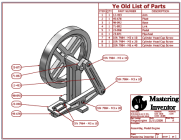 Make Parts in an EBOM are usually specified by their related model and drawings. Therefore Make Parts usually have revisions but be aware that they do not follow the same versioning of the related model or drawing. A Make Part is in an In Work status as long as the EBOM is not released. Once the model is approved, the EBOM part can be approved or released. Often companies do not want to release the data as long as manufacturing is not completed. This to make sure that the first revision comes out at the first delivery of the product.
 In many mechanical assemblies, the designer specifies materials with a particular length. For example a rubber strip, tubing / piping. When extracting the information from the 3D CAD assembly, this material instance will get a unique identifier. Here it is important that the Material Part has an attribute that describes the material specification. In the ideal data model, this is a reference to a Materials library. Next when manufacturing engineering is defining the MBOM, they can decide on material quantities to purchase for the EBOM Material.
 It is important to identify already in the EBOM which parts need to be serviced in operation and engineering should relate the service information already to the EBOM part. This could be the same single part with a different packaging or it could be a service kit plus instructions linked to the part. In a PLM environment, it is important that this activity is done upfront by engineering to avoid later retrieval of the data and work again on service information. A sensitive point here is that engineers currently in the classical approach are not measured on the benefits they deliver downstream when the products are in the field. Too many companies work here in silos.
 Jos Voskuil's Weblog
Interesting reflection, Jos. In my experience, the situation you describe is very recognizable. At the company where I work, sustainability…
[…] (The following post from PLM Green Global Alliance cofounder Jos Voskuil first appeared in his European PLM-focused blog HERE.) […]
[…] recent discussions in the PLM ecosystem, including PSC Transition Technologies (EcoPLM), CIMPA PLM services (LCA), and the Design for…
Jos, all interesting and relevant. There are additional elements to be mentioned and Ontologies seem to be one of the…
Jos, as usual, you've provided a buffet of "food for thought". Where do you see AI being trained by a…