
 For a year, we are now used to virtual events. PI PLMx 2020 in London was my last real event where I met people. When rereading my post about this event (the weekend after PI PLMx), I wrote that it was not a technology festival. Many presentations were about business change and how to engage people in an organization.
The networking discussions during the event and evenings were the most valuable parts of the conference.
And then came COVID-19. ☹
 Shortly after, in April 2020, I participated in the TECHNIA Innovation Forum, which was the first virtual conference with a setup like a conference. A main stage, with live sessions, virtual booths, and many prerecorded sessions related to various PLM topics.
You can read my experience related to the conference in two posts: the weekend after PLMIF and My four picks from PLMIF. A lot of content available for 30 days. However, I was missing the social interaction, the people.
 My favourite conference for 2020 was the CIMdata PLM Roadmap / PDT Fall 2020 conference in November. The PLM Roadmap/PDT conferences are not conferences for a novice audience; you have to be skilled in the domain of PLM most of the time with a strong presence from Aerospace and Defense companies.
The Fall 2020 theme: “Digital Thread—the PLM Professionals’ Path to Delivering Innovation, Efficiency, and Quality” might sound like a marketing term.
We hear so many times the words Digital Thread and Digital Twin. However, this conference was with speakers, active practitioners, from the field. I wrote about this conference in two posts: The weekend after PLM Roadmap / PDT 2020 – Part 1 and Part 2. I enjoyed the conference; however, I was missing social interaction.
The Digital Twin
Beyond the marketing hype, there is still a lot to learn and discuss from each other. First of all, it is not about realizing a digital twin; a business need should be the driver to investigate the possibility of a digital twin.
 I am preparing a longer blog post on this topic to share learnings from people in the field. For example, in November 2020, I participated in the Netherlands in a Digital Twin Conference, focusing on real-life cases.
Companies shared their vision and successes. It was clear that we are all learning to solve pieces of the big puzzle; there are small successes. However, without marketing language, this type of event becomes extremely helpful for further discussion and follow-up.
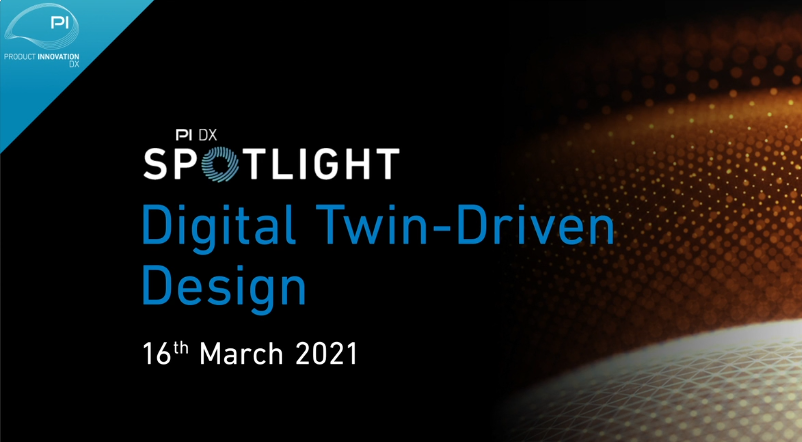 Recently, I enjoyed the panel discussions during the PI DX Spotlight session: Digital Twin-Driven Design. The PI DX Spotlight sessions are a collection of deep dives in various themes – have a look for the upcoming schedule here.
In the Digital Twin-Driven Design session, I enjoyed the session: What does a Digital Twin mean to your Business and Defining Requirements?
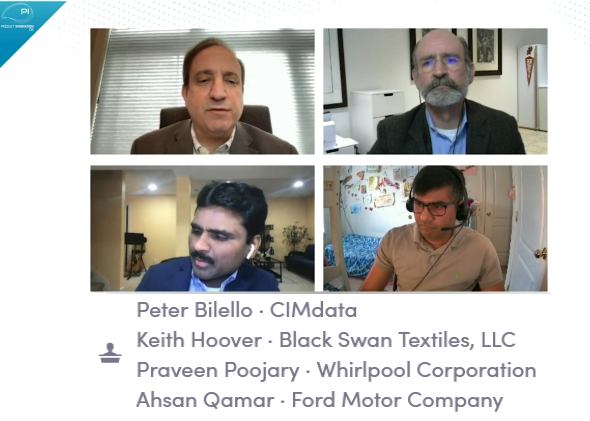 The discussion was moderated by Peter Bilello, with three interesting panellists with different industrial backgrounds. (Click on the image for the details). I have to re-watch some of the Spotlight sessions (the beauty of a virtual event) to see how they fit in the planned Digital Twin post.
The Cenit/Keonys Innovation day
On March 23rd (this Tuesday), Cenit & Keonys launch their virtual Innovation Day, another event that, before COVID-19, would have been a real people event. I am mentioning this event in particular, as I was allowed to interview fifteen of their customers about their day-to-day work, PLM-related plans, and activities.
All these interviews have been recorded and processed in such a manner that within 5 to 8 minutes, you get an understanding of what people are doing.
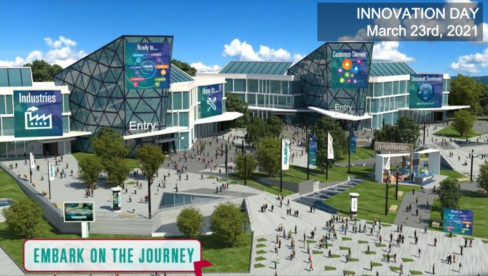
To prepare for these interviews, I spoke with each of them before the interview. I wanted to understand the passion for their work and where our interests overlap.
 I will not mention the individual interviews in this post, as I do not want to spoil the event. I talked with various startups (do they need PLM?) and established companies that started a PLM journey. I spoke with simulation experts (the future) and dimensional management experts (listen to these interviews to understand what it means). And ultimately, I interviewed a traditional porcelain family brand using 3D printing and 3D design, and at the other end, the German CIO of the year from 2020
(if you Google a little, you will easily find the companies involved here)
The most common topics discussed were:
- What was the business value of your PLM-related activity?
- Did COVID-19 impact your business?
- What about a cloud-based solution, and how do people align?
- If relevant, what are your experiences with a Model-Based Definition?
- What about sustainability?
I hope you will take the opportunity to register and watch these interviews as, for me, they were an excellent opportunity to be in touch with the reality in the field. As always, we keep on learning.
The Modular Way

Modularity is a popular topic in many board meetings. How often have you heard: “We want to move from Engineering To Order to more Configure To Order”? Or another related incentive: “We need to be cleverer with our product offering and reduced the number of different parts”.
Next, the company buys a product that supports modularity, and management believes the work has been done. Of course, not. Modularity requires a thoughtful strategy.
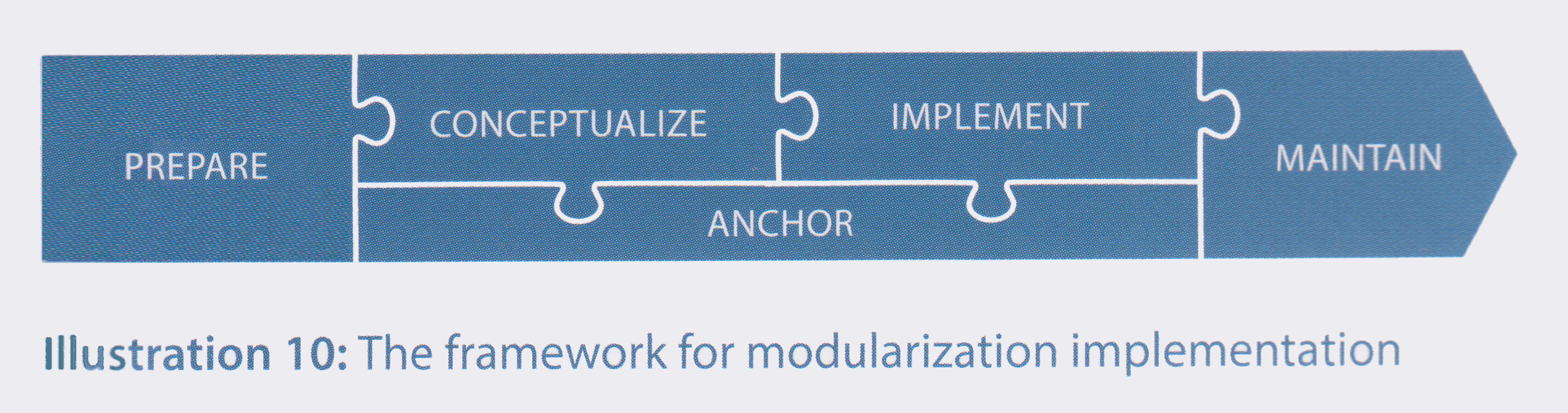
Illustration from the book: The Modular Way
The book can be a catalyst for such companies that want to invest in modularity but do not know where and how to start. The book is not written academically. It is more a story taking you along the steps needed to define, implement, and maintain modularity. Every step has been illustrated by actual cases and their business motivation and achieved benefits where possible. I plan to come back with Bjorn and Daniel in a dedicated post related to PLM and Modularity.
Conclusion
Virtual Events are probably part of our new future. A significant advantage is the global reach of such events. Everyone can join from anywhere connected around the world. Besides the larger events, I look forward to discovering more small and targeted discussion events like PI DX Spotlights. The main challenge for all – keep it interactive and social.
 First of all, can you give a short introduction to Eurostep as a company and the unique value you are offering to your clients?
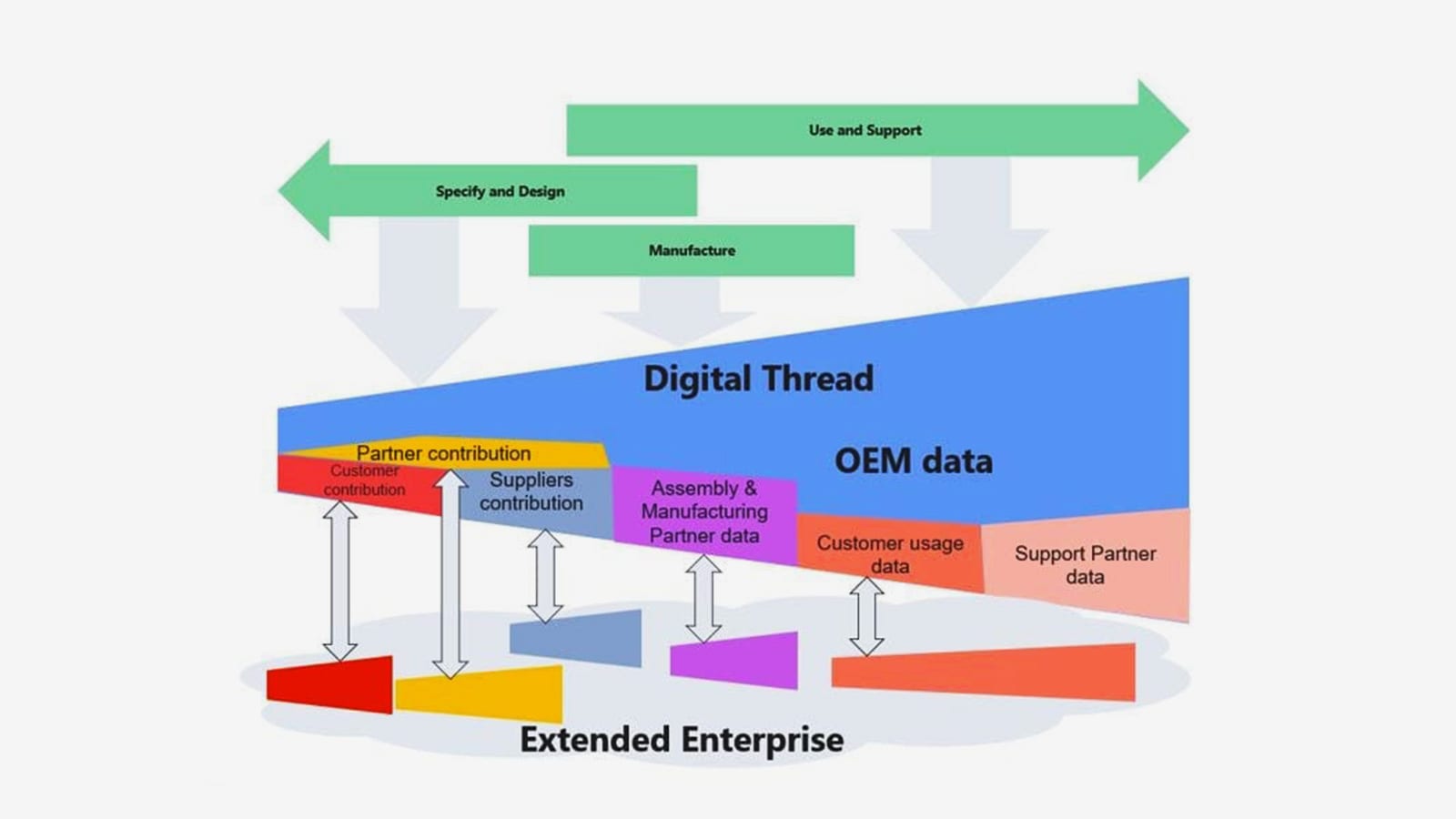
 Eurostep was founded in 1994 by several world-class experts on product data and information management. In the year 2000, we started developing ShareAspace. We took all the experience we had from working with collaboration in the extended enterprise, mixed it with our standards knowledge, and selected Microsoft as the technology for our software platform.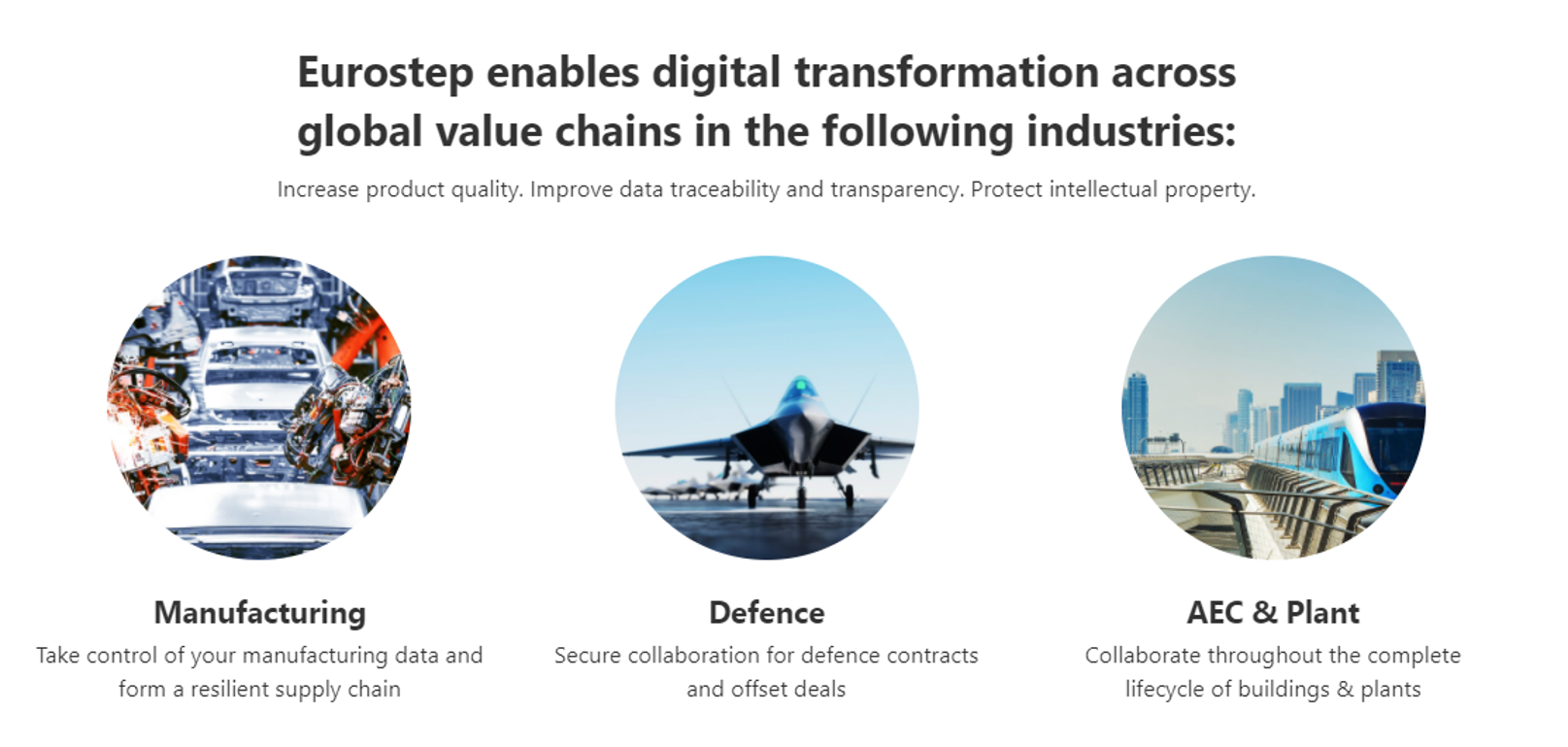
 ShareAspace is based on an information standard called PLCS (ISO 10300-239). This means we have a data model covering the complete life cycle of a product from requirements and conceptual design to an existing installed base. We have added things needed, such as consolidation and security. Our partnership with Microsoft has also resulted in ShareAspace being available in Azure as a service (our Design to Manufacturing software).
 This is about the time when you realize that you need similar control of the data you share with suppliers as you have in your internal systems. If not better.


 Marc Halpern (Gartner): The

 This theme will be moderated by me,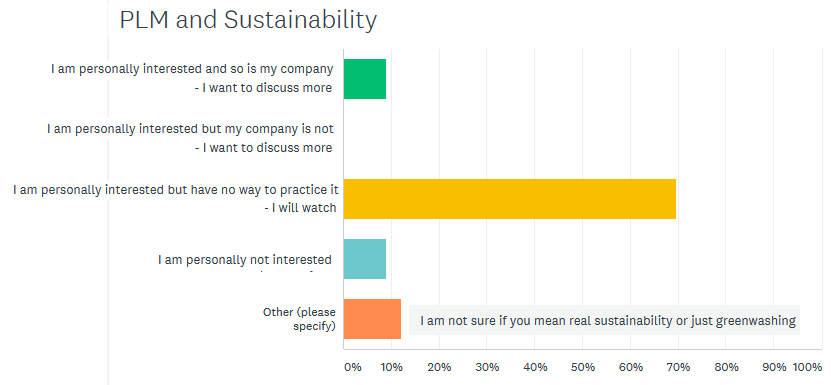
 Green energy is an important topic on its own as many of the issues related to a green and sustainable society are dealing with the transition from limited fossil energy sources to a sustainable energy model. The moderator of this theme group,
 This theme group is currently moderated by a real passionate follower of the Circular Economy,
  A topic that is closely related to PLM is Industry 4.0. At first glance, Industry 4.0 is an initiative to manufacture products smarter, more flexible, more automated, more modular by using new technologies and practices, all with the goal for (initially German) companies to become more competitive.
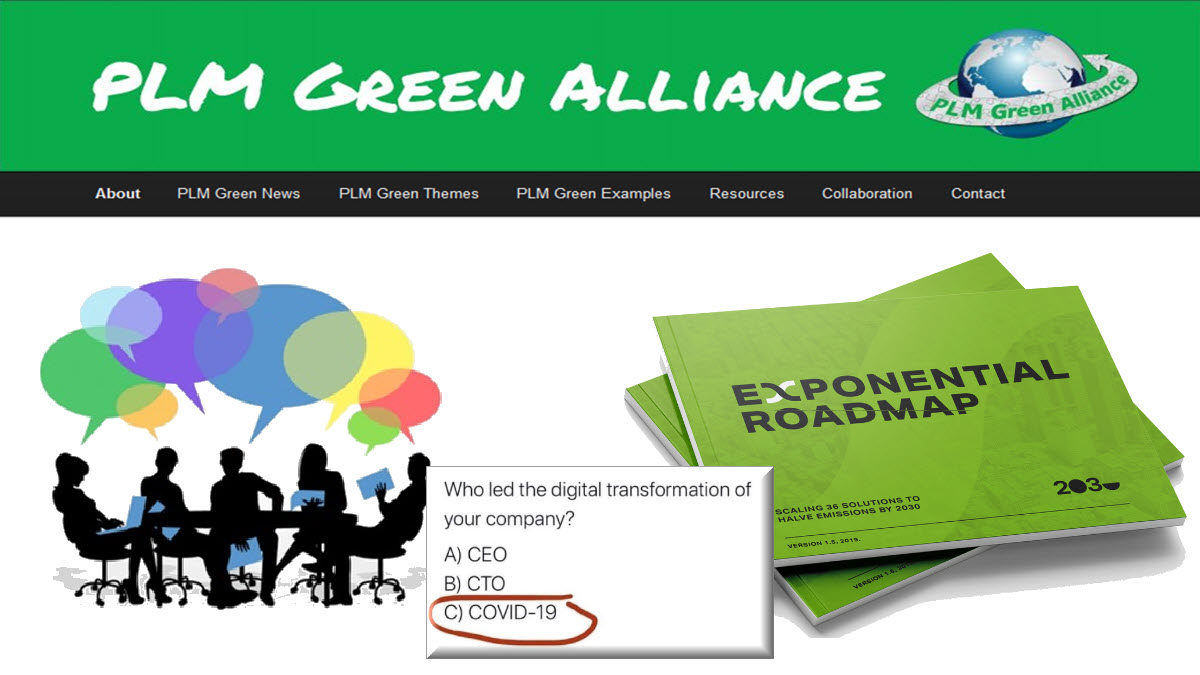
 As you can see, the PLM Green Global Alliance is transforming slowly, as we are not marketing people, web designers, or a sponsored organization. We rely on our networks and your inputs to reach the next level of interaction. The majority of the PLM Themes need a second moderator to keep the workload balanced.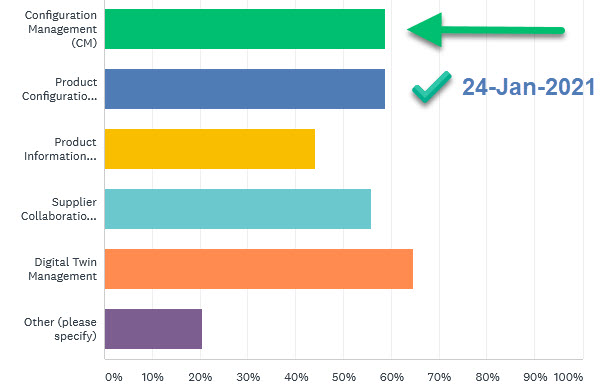
 Classical CM focuses mainly on the product, the product definition, and actual configurations like as-built and as-maintained of the product. CM2 extends the focus to the entire enterprise, e.g., the processes and procedures (ways of working) of a company, including the IT and facilities, to support the company’s value stream.
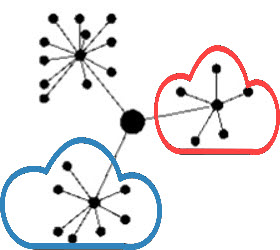

 Often, there are multiple ways to accomplish the same task. There is a lot of tribal knowledge, and ways of working are not documented in a way that allows people to easily find them, let alone in a structured and linked format that facilitates impact analysis when introducing changes to your organization.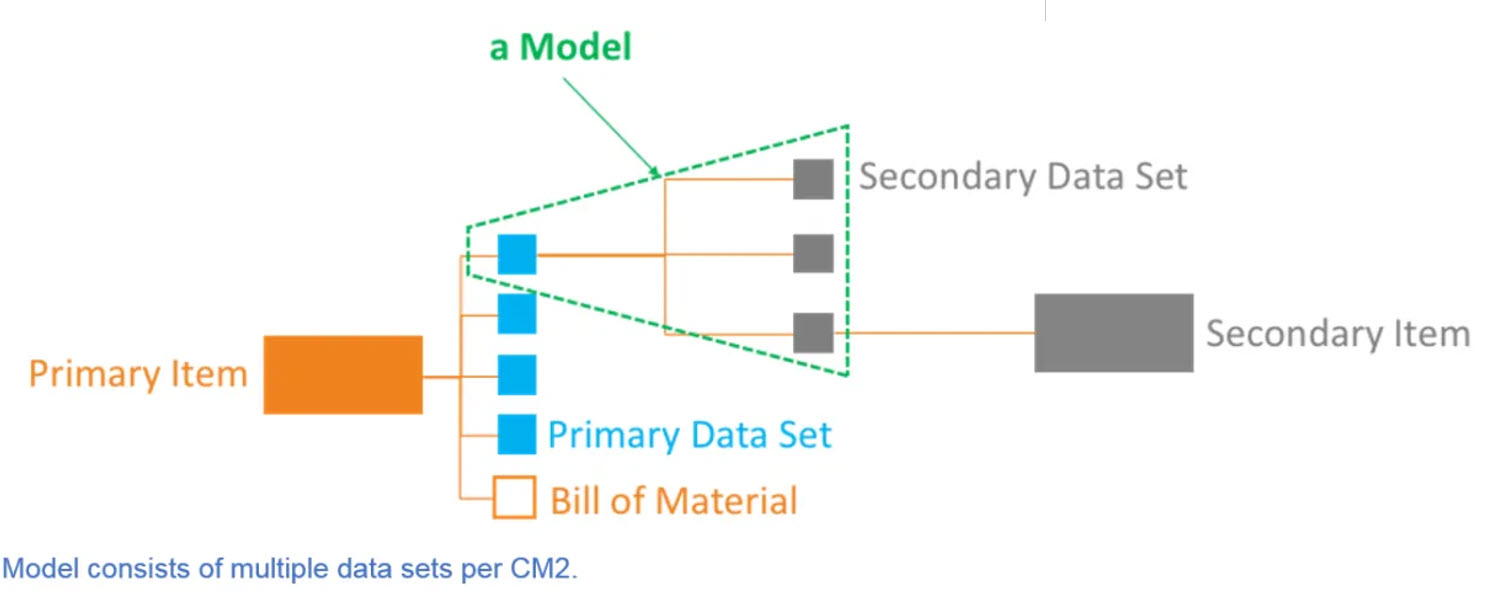

 CIMdata webinar:
 Hi Jos, thank you for having me. Configit has worked with configuration challenges for the last 20 years. We are approximately 200 people and have offices in Denmark, Germany, India, and in the US (Atlanta and Detroit) and work with some of the world’s largest manufacturing companies.
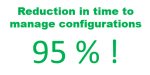 For example, one of our customers experienced a 95% reduction in the time – from a year to two weeks – it took them to create the configuration models needed to build and sell their products. This reduction meant a significant reduction in time to market and allowed additional product lines to be introduced.
 As the feature codes are essential in the communication between the functions, the creation and updating of the feature language must be carefully managed by putting people and processes in place to manage them.
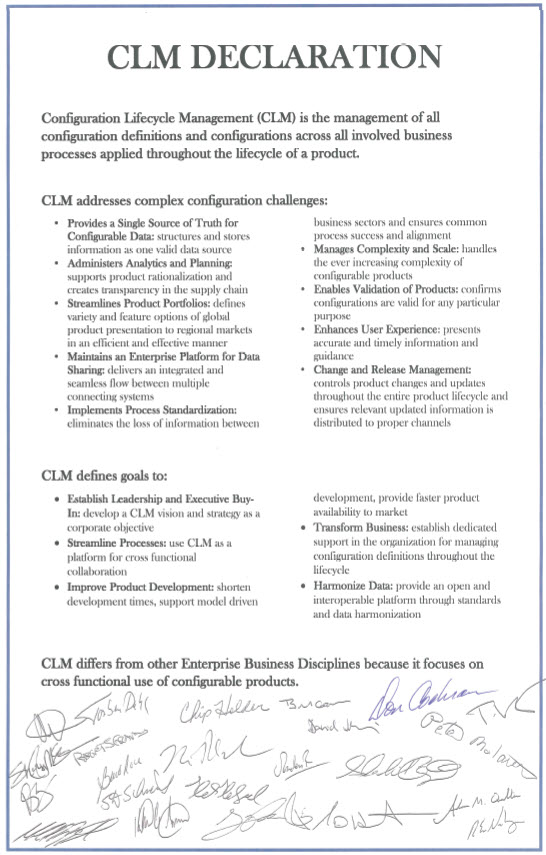
 We offer services to expose this information and integrate it into existing enterprise systems such as PLM, ERP and CRM/CPQ. The configuration models may still be maintained in legacy systems. Still, they are imported and brought together in the CLM system.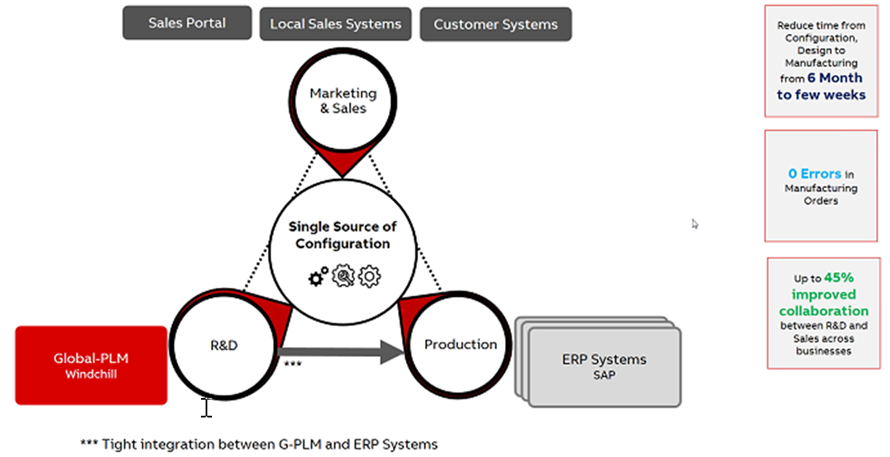

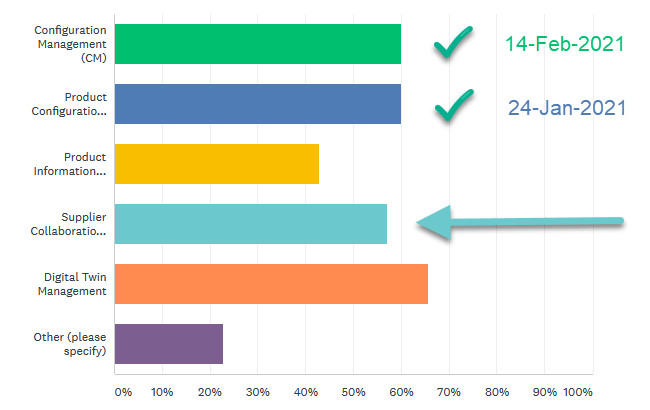
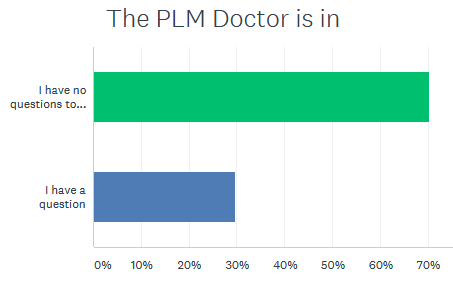
 At the end of the post, I asked you to participate in a survey to provide feedback on the proposed topics. So far, only one percent of my readers have responded to this short survey. The last time I shared a short survey in 2018, the response was much more significant.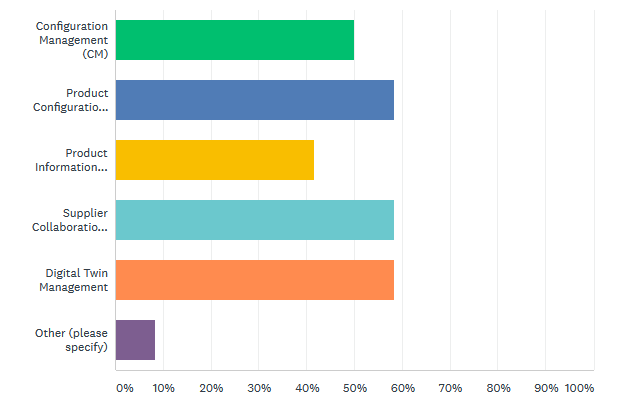
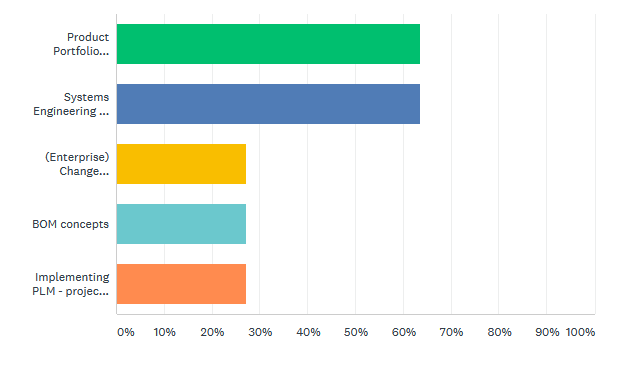
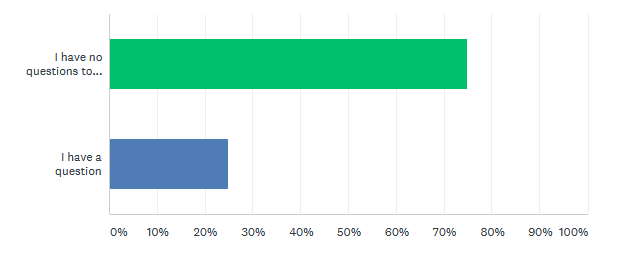
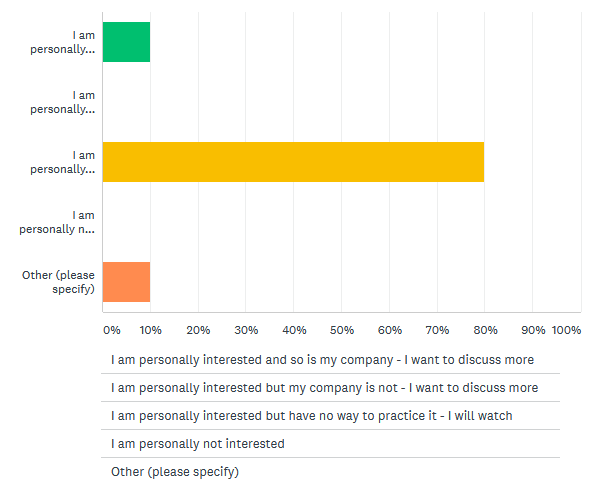
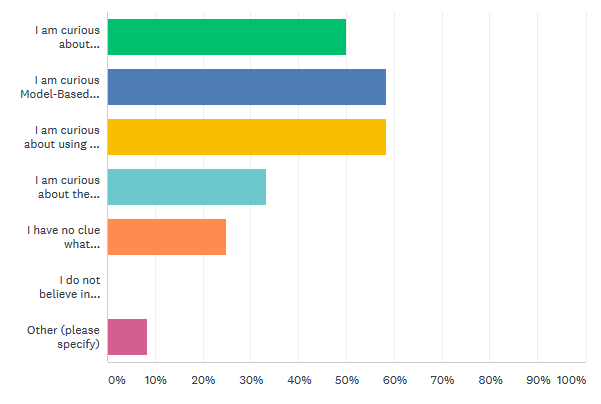
 I think you all have heard this statement before about Lies and Statistics. Especially with social media, there are billions of people digging for statistics to support their theories. Don’t worry about my situation; I would like to make my statement based on some larger numbers, so please take
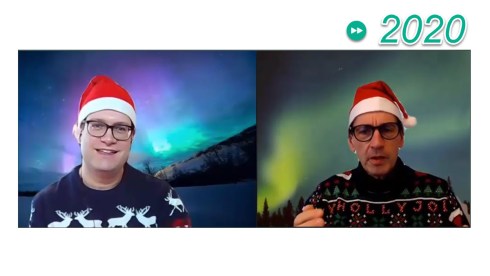

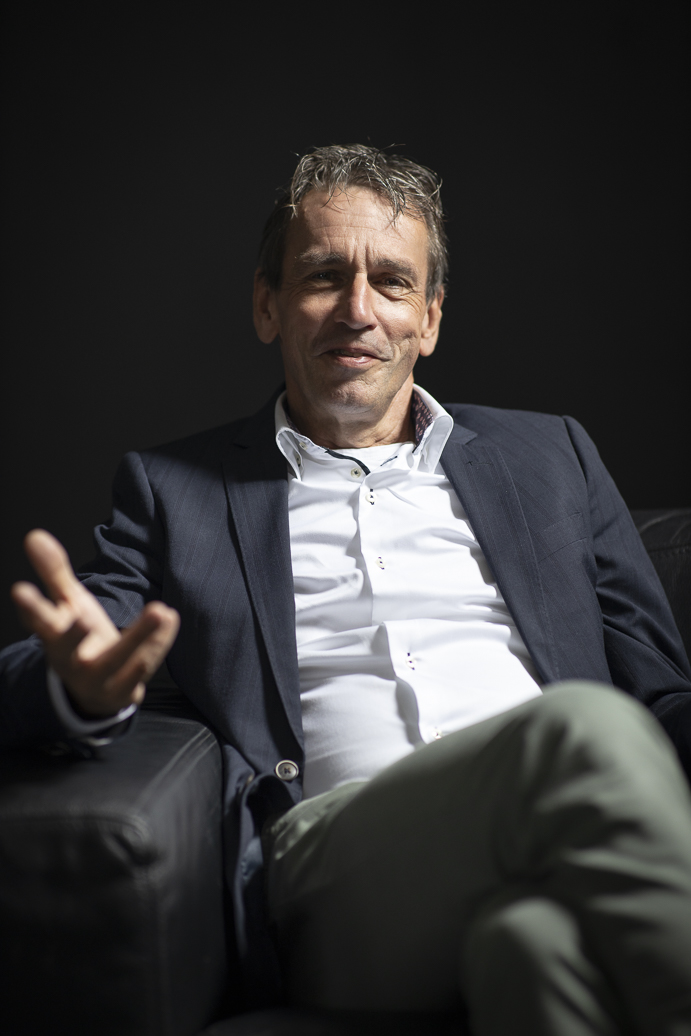



 For those living in the Northern Hemisphere: This week, we had the shortest day, or if you like the dark, the longest night. This period has always been a moment of reflection. What have we done this year?
 Jos Voskuil's Weblog
Hi Jos, Knowing your background in methodology and education, I wanted to share a longer article with you: “What is…
Interesting reflection, Jos. In my experience, the situation you describe is very recognizable. At the company where I work, sustainability…
[…] (The following post from PLM Green Global Alliance cofounder Jos Voskuil first appeared in his European PLM-focused blog HERE.) […]
[…] recent discussions in the PLM ecosystem, including PSC Transition Technologies (EcoPLM), CIMPA PLM services (LCA), and the Design for…
Jos, all interesting and relevant. There are additional elements to be mentioned and Ontologies seem to be one of the…