
 In recent months, I’ve noticed a decline in momentum around sustainability discussions, both in my professional network and personal life. With current global crises—like the Middle East conflict and the erosion of democratic institutions—dominating our attention, long-term topics like sustainability seem to have taken a back seat.
But don’t stop reading yet—there is good news, though we’ll start with the bad.
The Convenient Truth
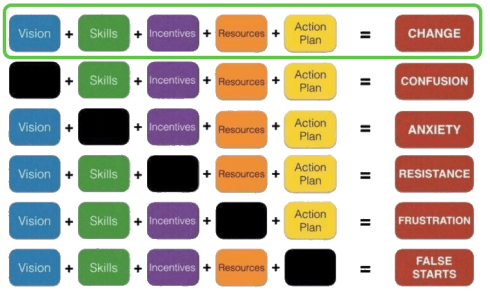
 Human behavior is primarily emotional. A lesson valuable in the PLM domain and discussed during the Share PLM summit. As SharePLM notes in their change management approach, we rely on our “gator brain”—our limbic system – call it System 1 and System 2 or Thinking Fast and Slow. Faced with uncomfortable truths, we often seek out comforting alternatives.
The film Don’t Look Up humorously captures this tendency. It mirrors real-life responses to climate change: “CO₂ levels were high before, so it’s nothing new.” Yet the data tells a different story. For 800,000 years, CO₂ ranged between 170–300 ppm. Today’s level is ~420 ppm—an unprecedented spike in just 150 years as illustrated below.
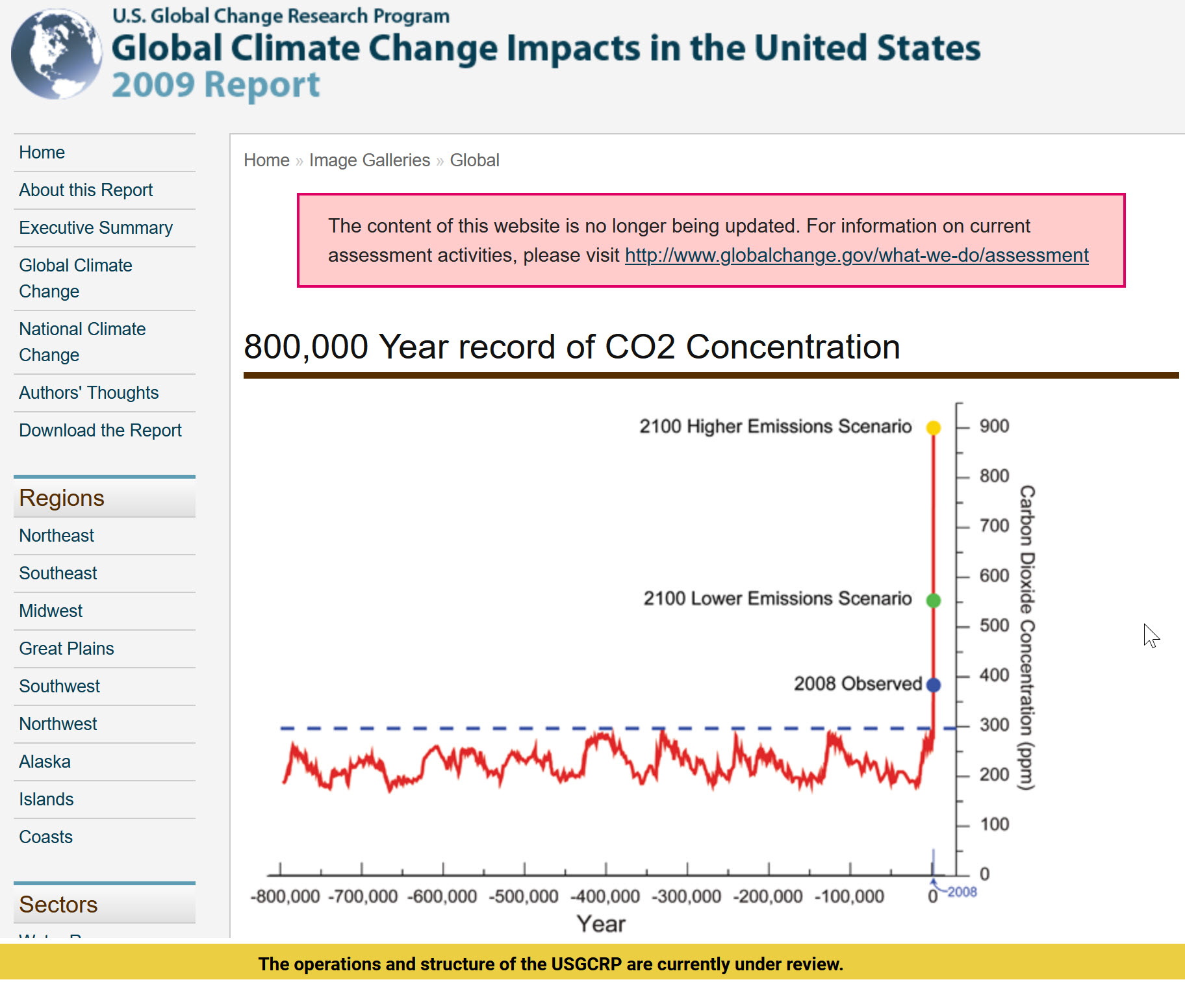
Frustratingly, some of this scientific data is no longer prominently published. The narrative has become inconvenient, particularly for the fossil fuel industry.
Persistent Myths
Then there is the pseudo-scientific claim that fossil fuels are infinite because the Earth’s core continually generates them. The Abiogenic Petroleum Origin theory is a fringe theory, sometimes revived from old Soviet science, and lacks credible evidence. See image below
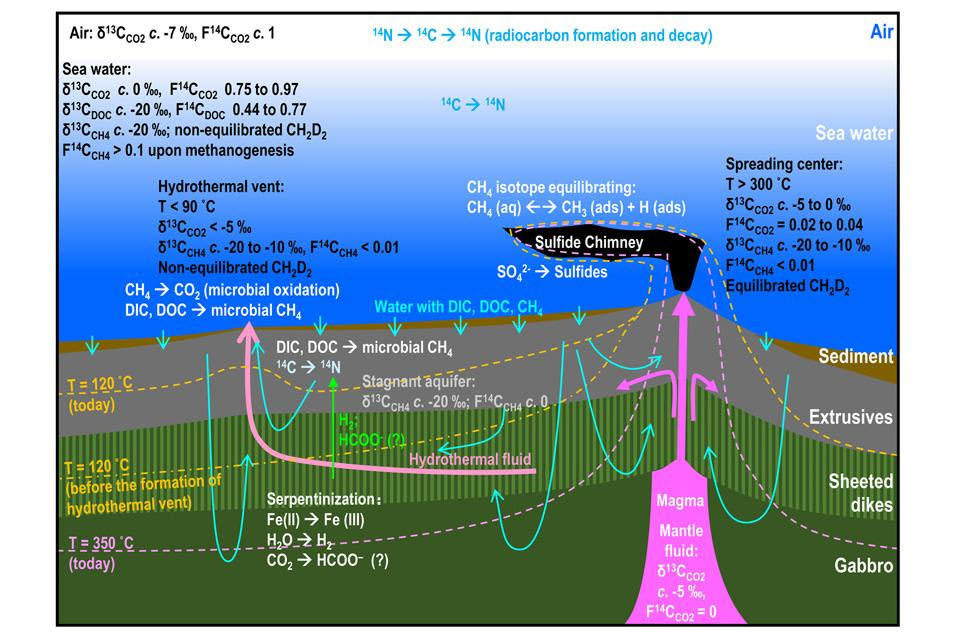
Oil remains a finite, biologically sourced resource. Yet such myths persist, often supported by overly complex jargon designed to impress rather than inform.
The Dissonance of Daily Life
A young couple casually mentioned flying to the Canary Islands for a weekend at a recent birthday party. When someone objected on climate grounds, they simply replied, “But the climate is so nice there!”

“Great climate on the Canary Islands”
This reflects a common divide among young people—some are deeply concerned about the climate, while many prioritize enjoying life now. And that’s understandable. The sustainability transition is hard because it challenges our comfort, habits, and current economic models.
The Cost of Transition
 Companies now face regulatory pressure such as CSRD (Corporate Sustainability Reporting Directive), DPP (Digital Product Passport), ESG, and more, especially when selling in or to the European market. These shifts aren’t usually driven by passion but by obligation. Transitioning to sustainable business models comes at a cost—learning curves and overheads that don’t align with most corporations’ short-term, profit-driven strategies.
However, we have also seen how long-term visions can be crushed by shareholder demands:
- Xerox (1970s–1980s) pioneered GUI, the mouse, and Ethernet, but failed to commercialize them. Apple and Microsoft reaped the benefits instead.
- General Electric under Jeff Immelt tried to pivot to renewables and tech-driven industries. Shareholders, frustrated by slow returns, dismantled many initiatives.
-
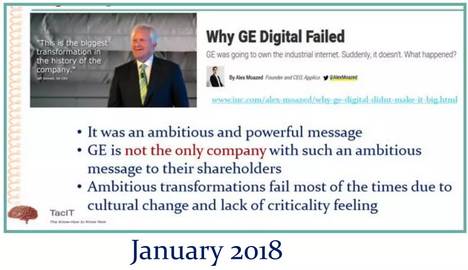
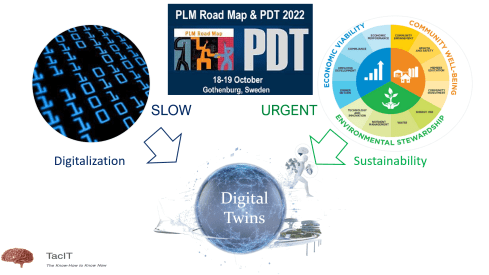
My presentation at the 2019 PLM Roadmap / PDT Europe conference – click on the image to get access through SlideShare.
- Despite ambitious sustainability goals, Siemens faced similar investor pressure, leading to spin-offs like Siemens Energy and Gamesa.
The lesson?
Transforming a business sustainably requires vision, compelling leadership, and patience—qualities often at odds with quarterly profit expectations. I explored these tensions again in my presentation at the PLM Roadmap/PDT Europe 2024 conference, read more here: Model-Based: The Digital Twin.
 I noticed discomfort in smaller, closed-company sessions, some attendees said, “We’re far from that vision. ”
My response: “That’s okay. Sustainability is a generational journey, but it must start now”.
Signs of Hope
Now for the good news. In our recent PGGA (PLM Green Global Alliance) meeting, we asked: “Are we tired?” Surprisingly, the mood was optimistic.
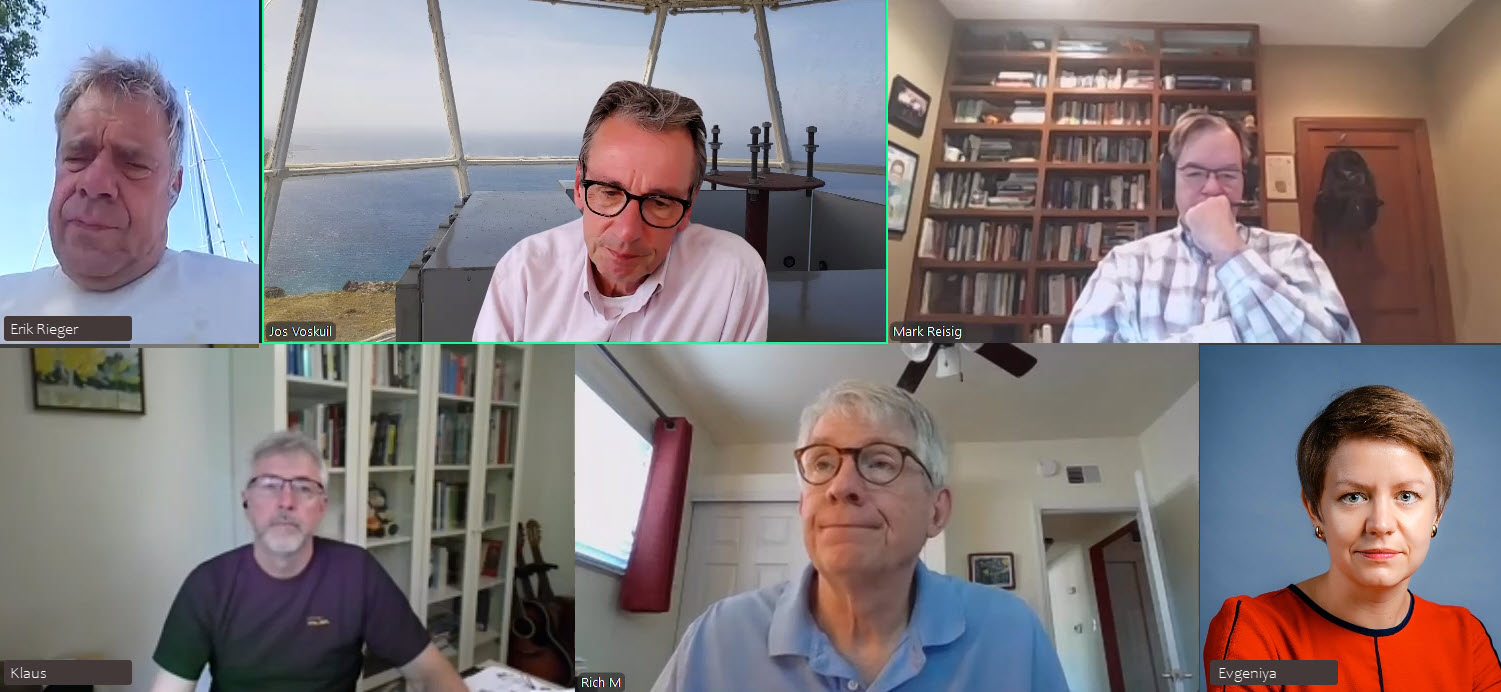
Our PGGA core team meeting on June 20th
Yes, some companies are downscaling their green initiatives or engaging in superficial greenwashing. But other developments give hope:
- China is now the global leader in clean energy investments, responsible for ~37% of the world’s total. In 2023 alone, it installed over 216 GW of solar PV—more than the rest of the world combined—and leads in wind power too. With over 1,400 GW of renewable capacity, China demonstrates that a centralized strategy can overcome investor hesitation.
- Long-term-focused companies like Iberdrola (Spain), Ørsted (Denmark), Tesla (US), BYD, and CATL (China) continue to invest heavily in EVs and batteries—critical to our shared future.
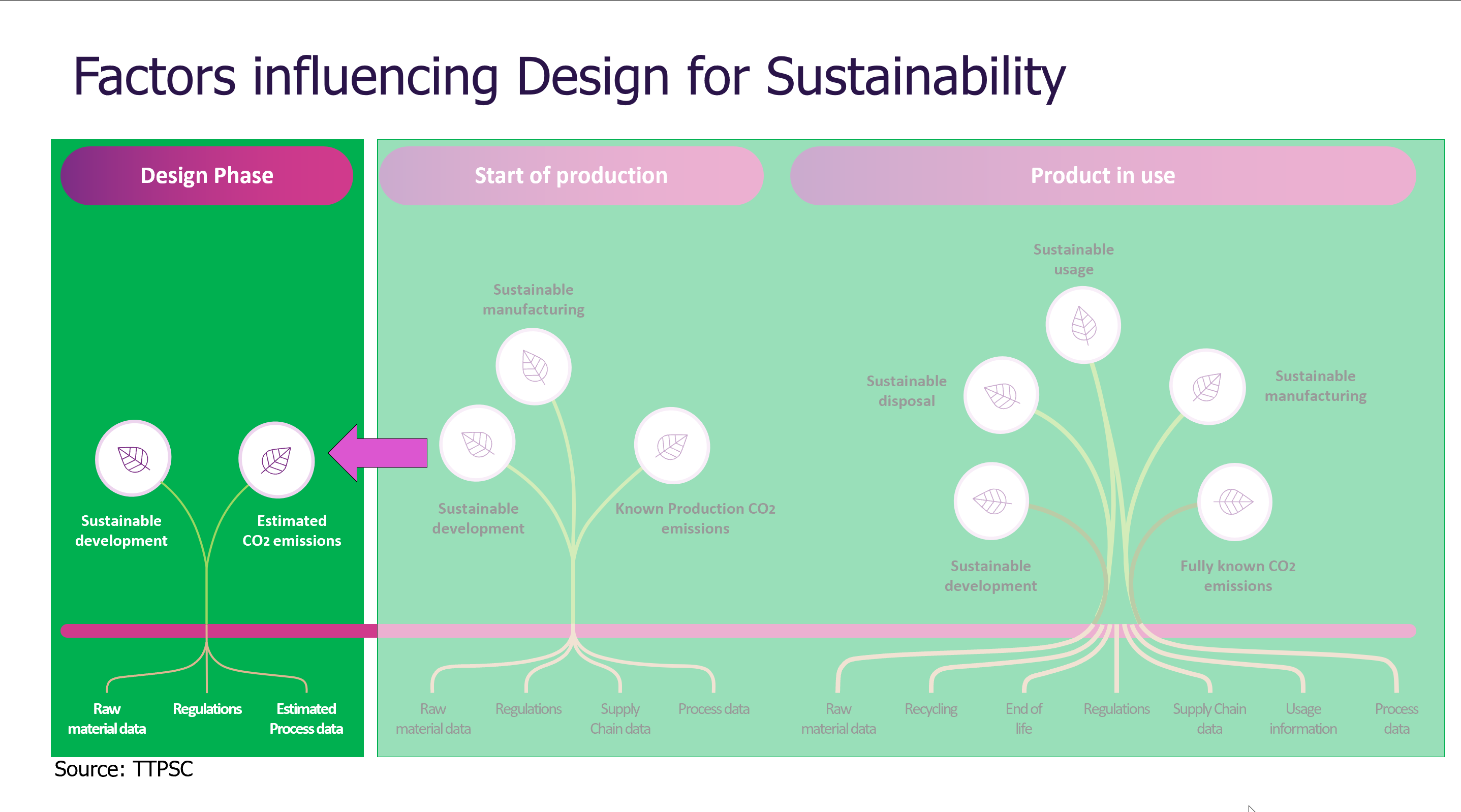
A Call to Engineers: Design for Sustainability
We may be small at the PLM Green Global Alliance, but we’re committed to educating and supporting the Product Lifecycle Management (PLM) community on sustainability.
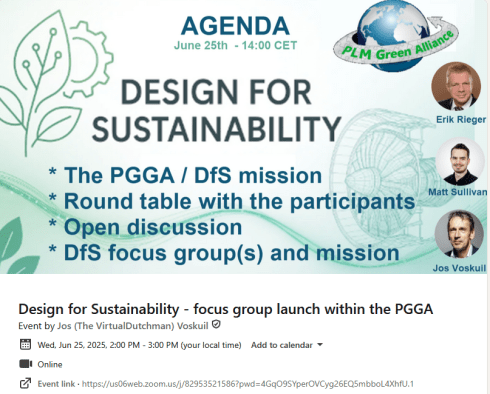
That’s why I’m excited to announce the launch of our Design for Sustainability initiative on June 25th.
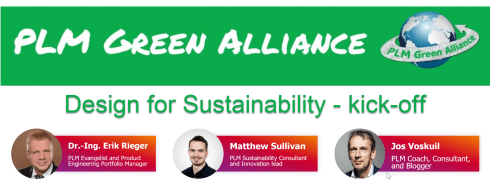
Led by Eric Rieger and Matthew Sullivan, this initiative will bring together engineers to collaborate and explore sustainable design practices. Whether or not you can attend live, we encourage everyone to engage with the recording afterward.
Conclusion
Sustainability might not dominate headlines today. In fact, there’s a rising tide of misinformation, offering people a “convenient truth” that avoids hard choices. But our work remains urgent. Building a livable planet for future generations requires long-term vision and commitment, even when it is difficult or unpopular.
So, are you tired—or ready to shape the future?
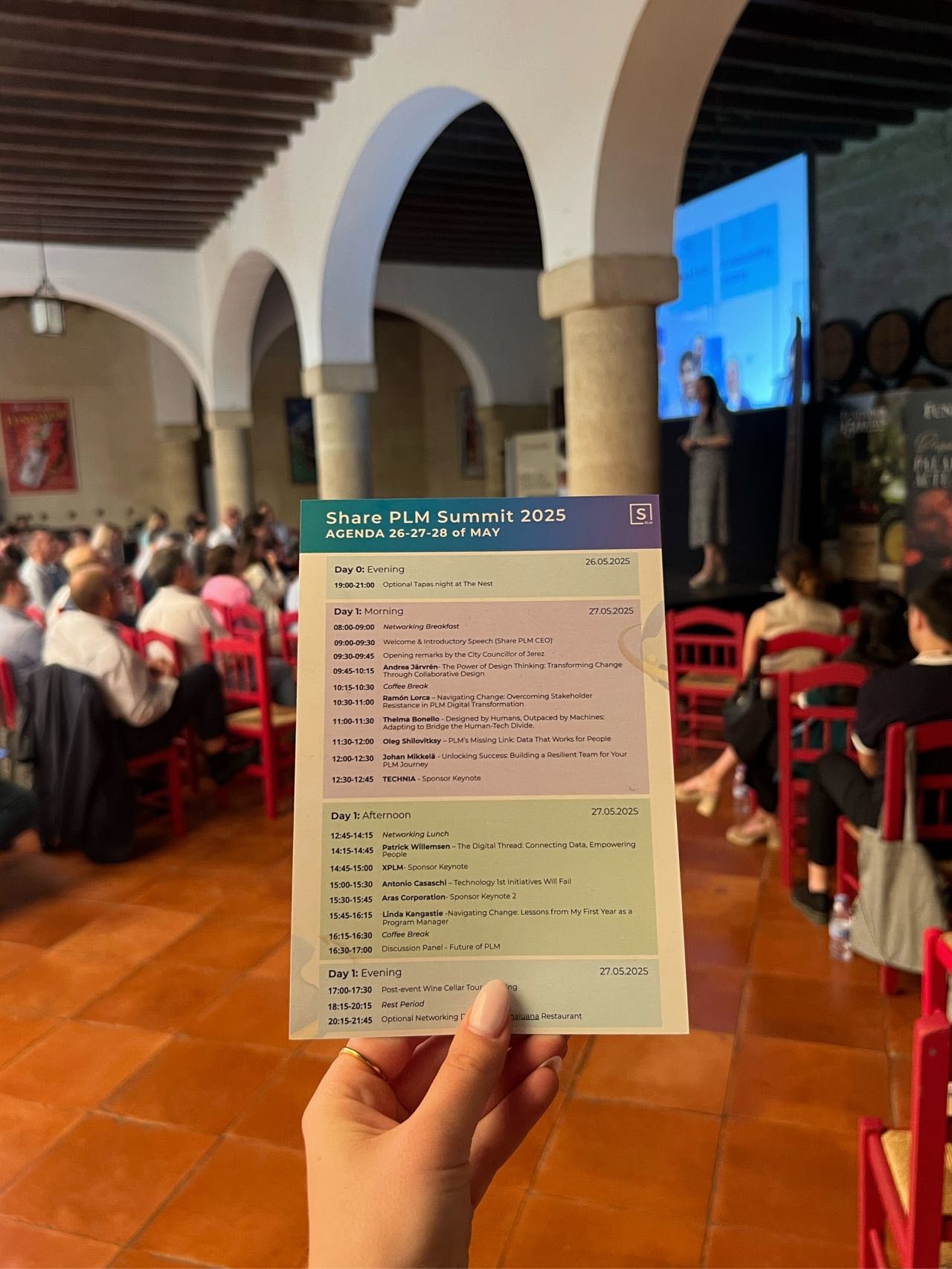
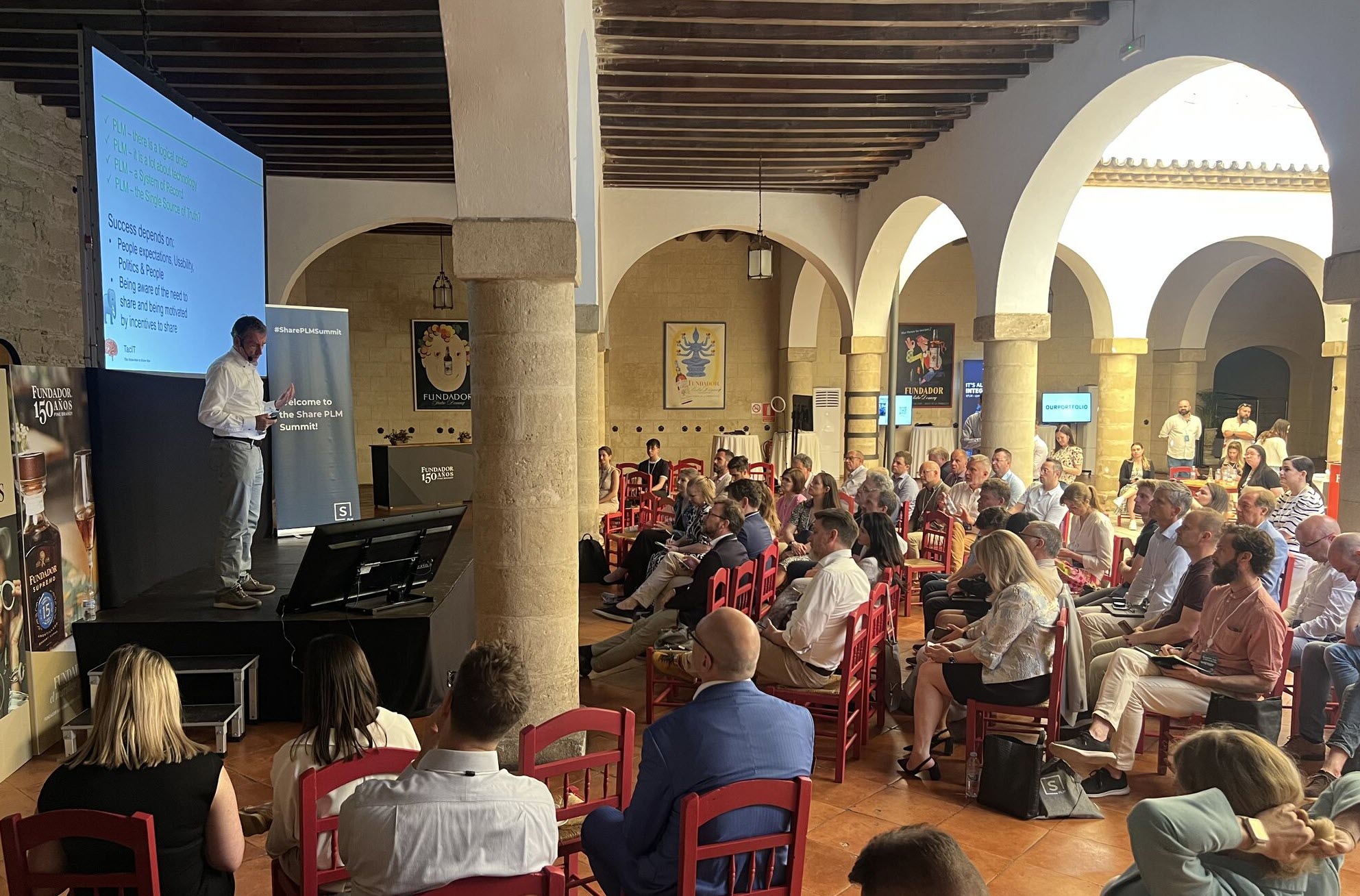
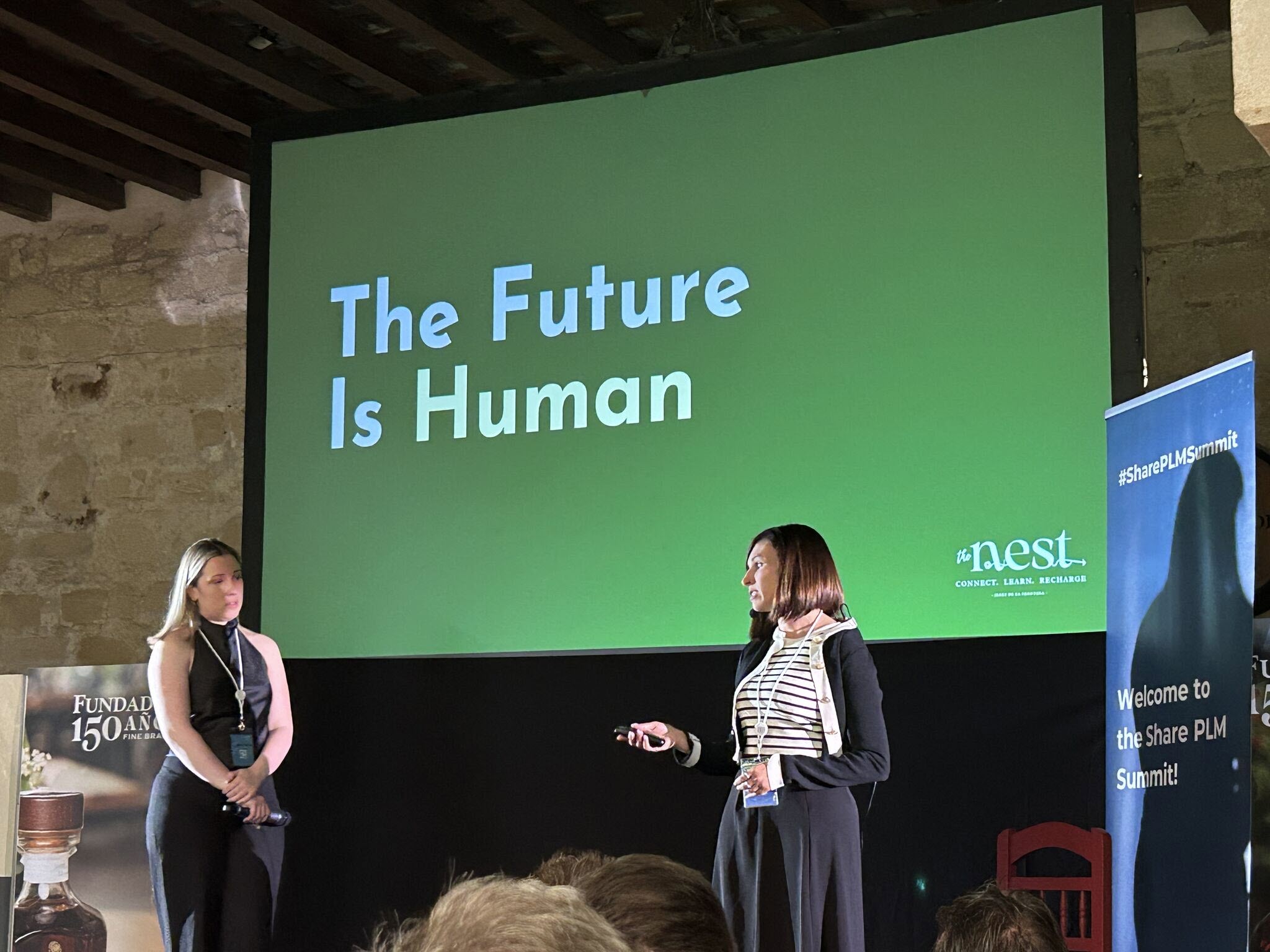
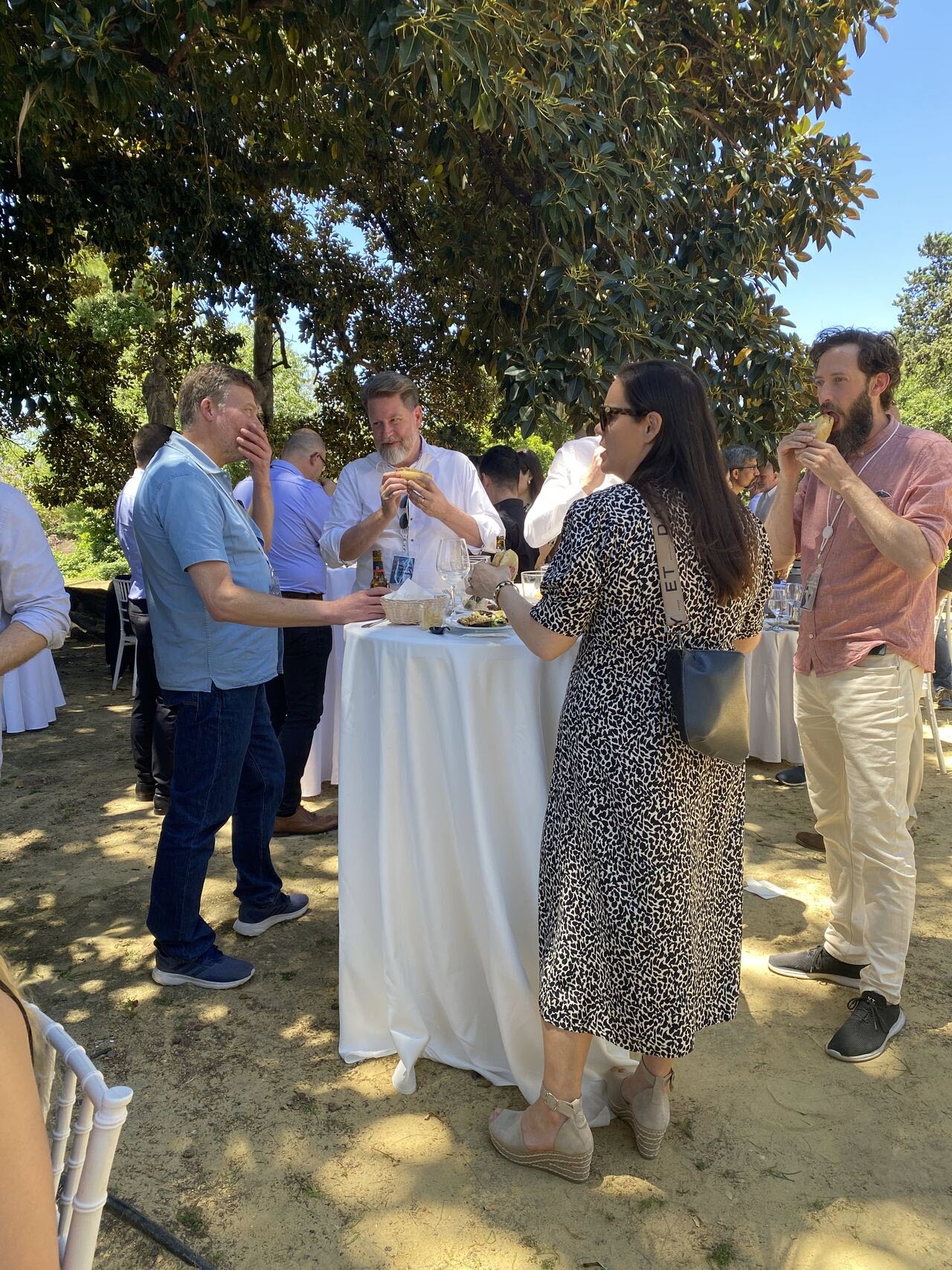
 Another brilliant idea was to have the summit breakfast in the back of the stage area, so before the conference days started, you could mingle and mix with the people instead of having a lonely breakfast in your hotel.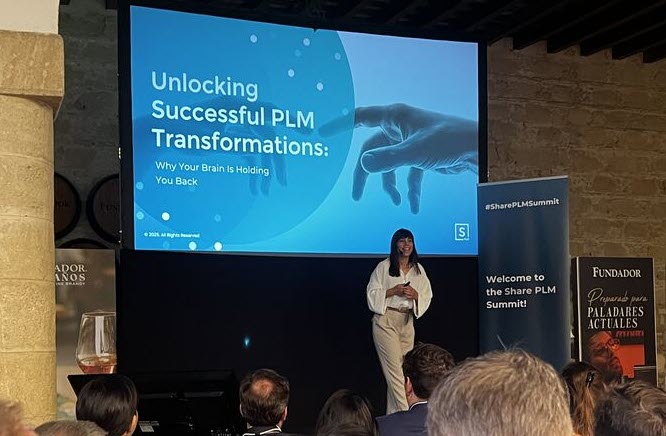


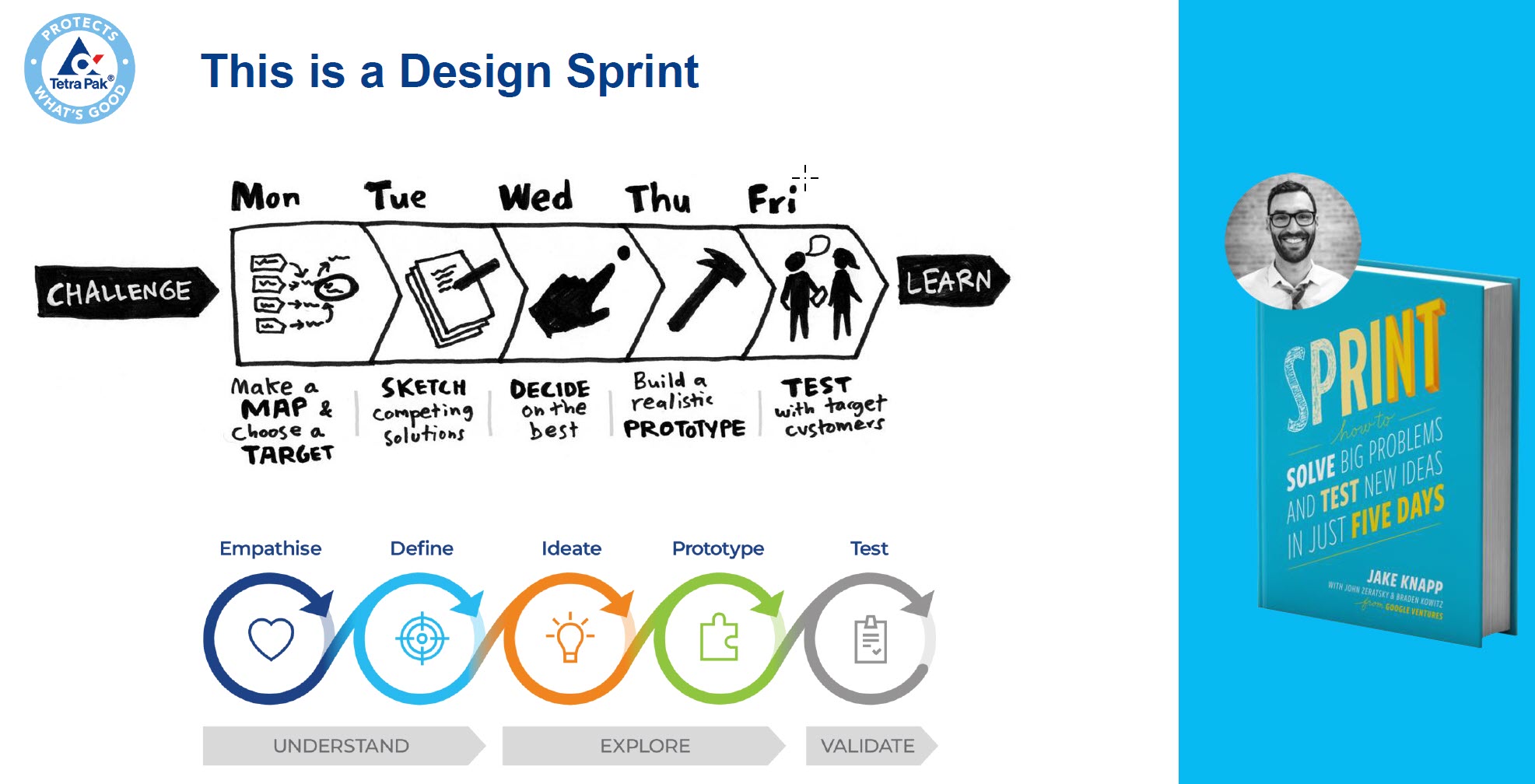
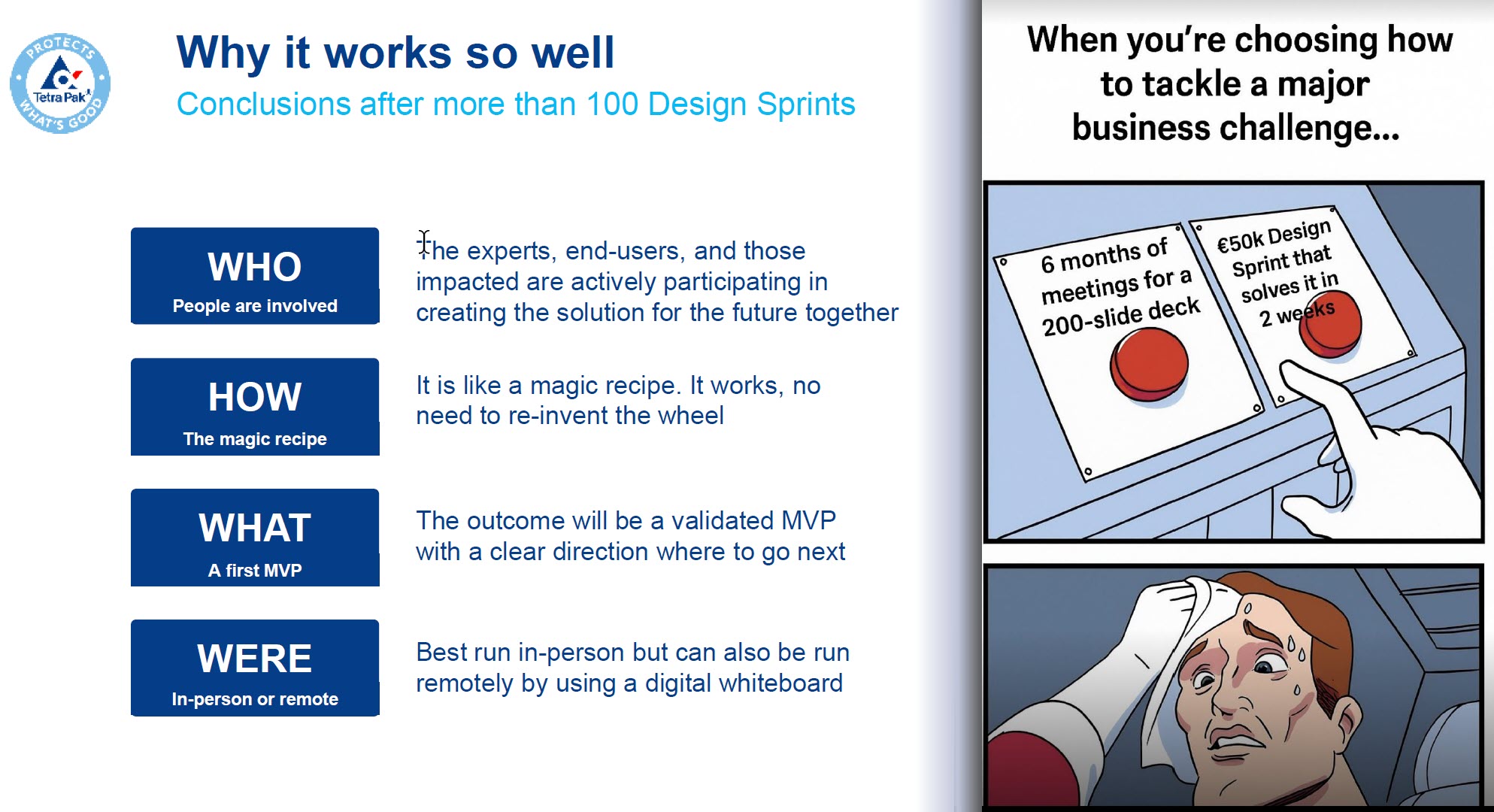


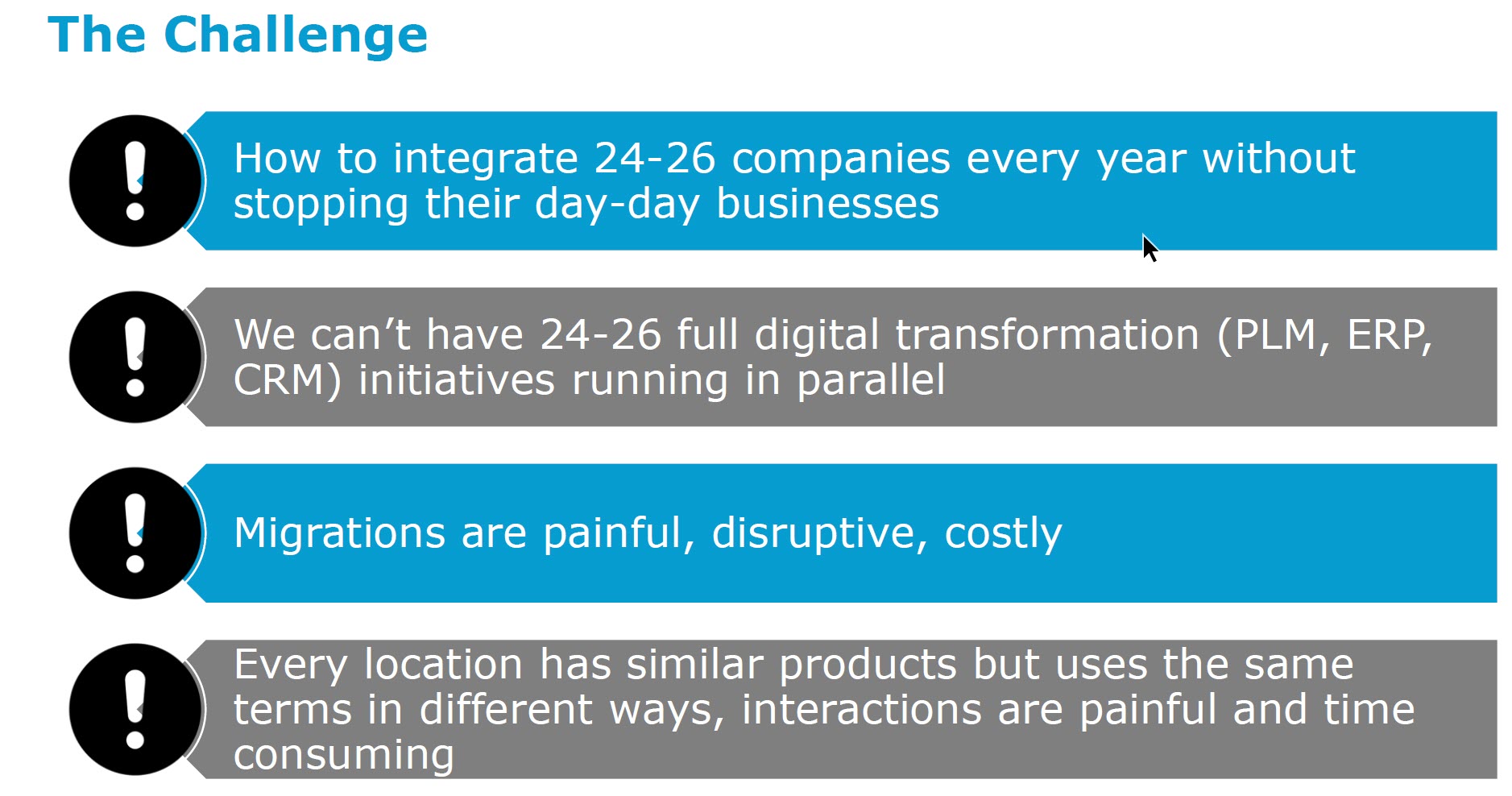
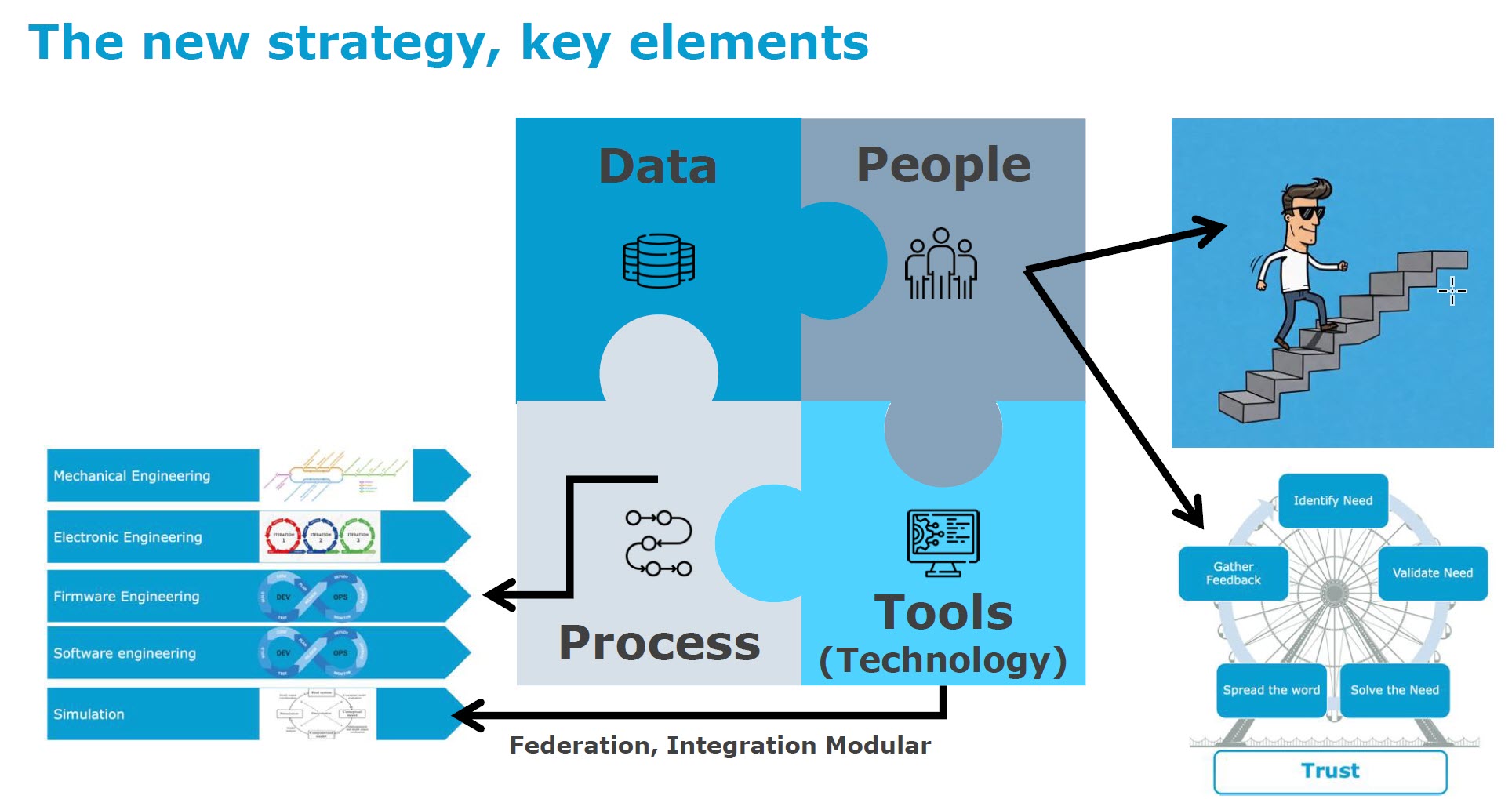

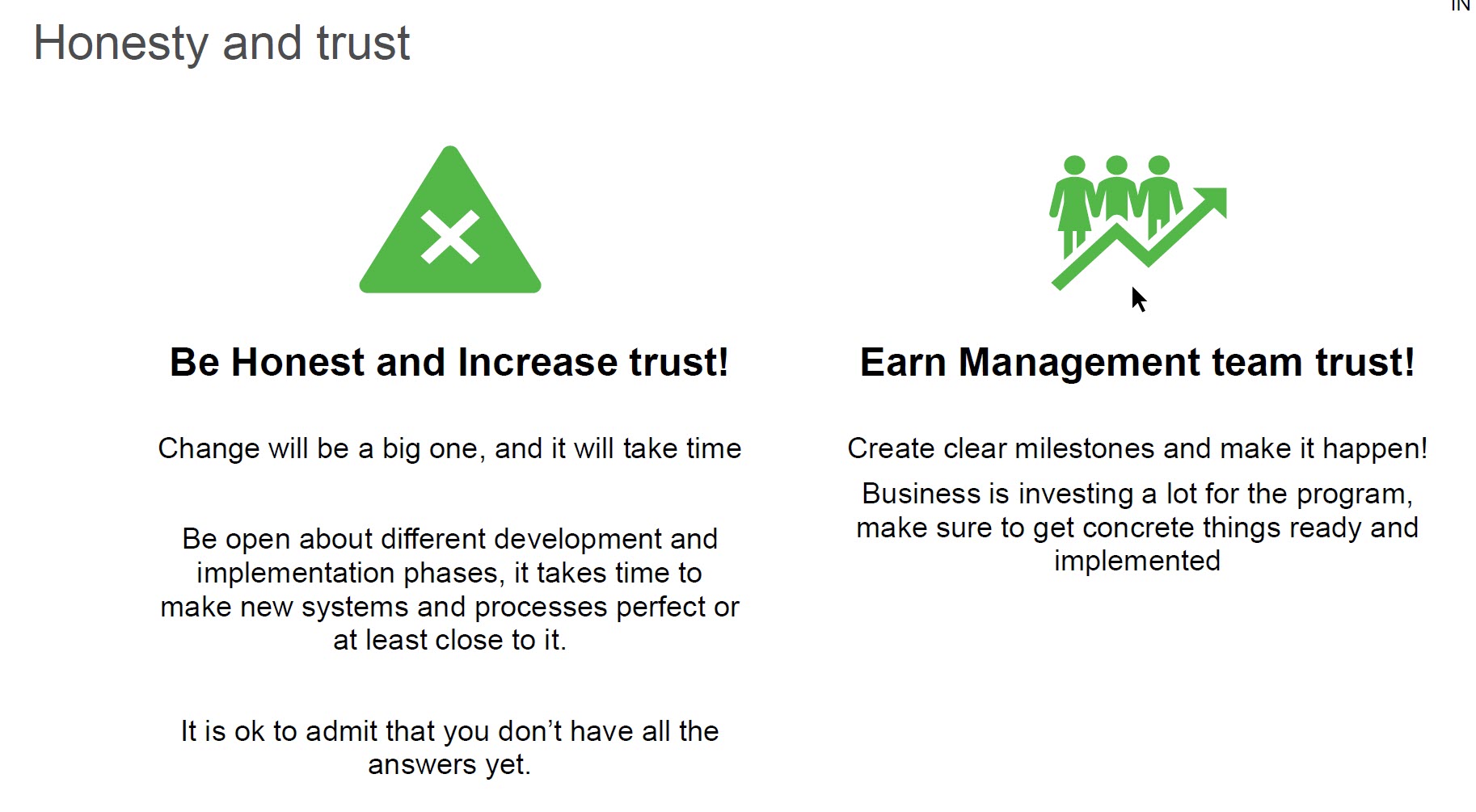
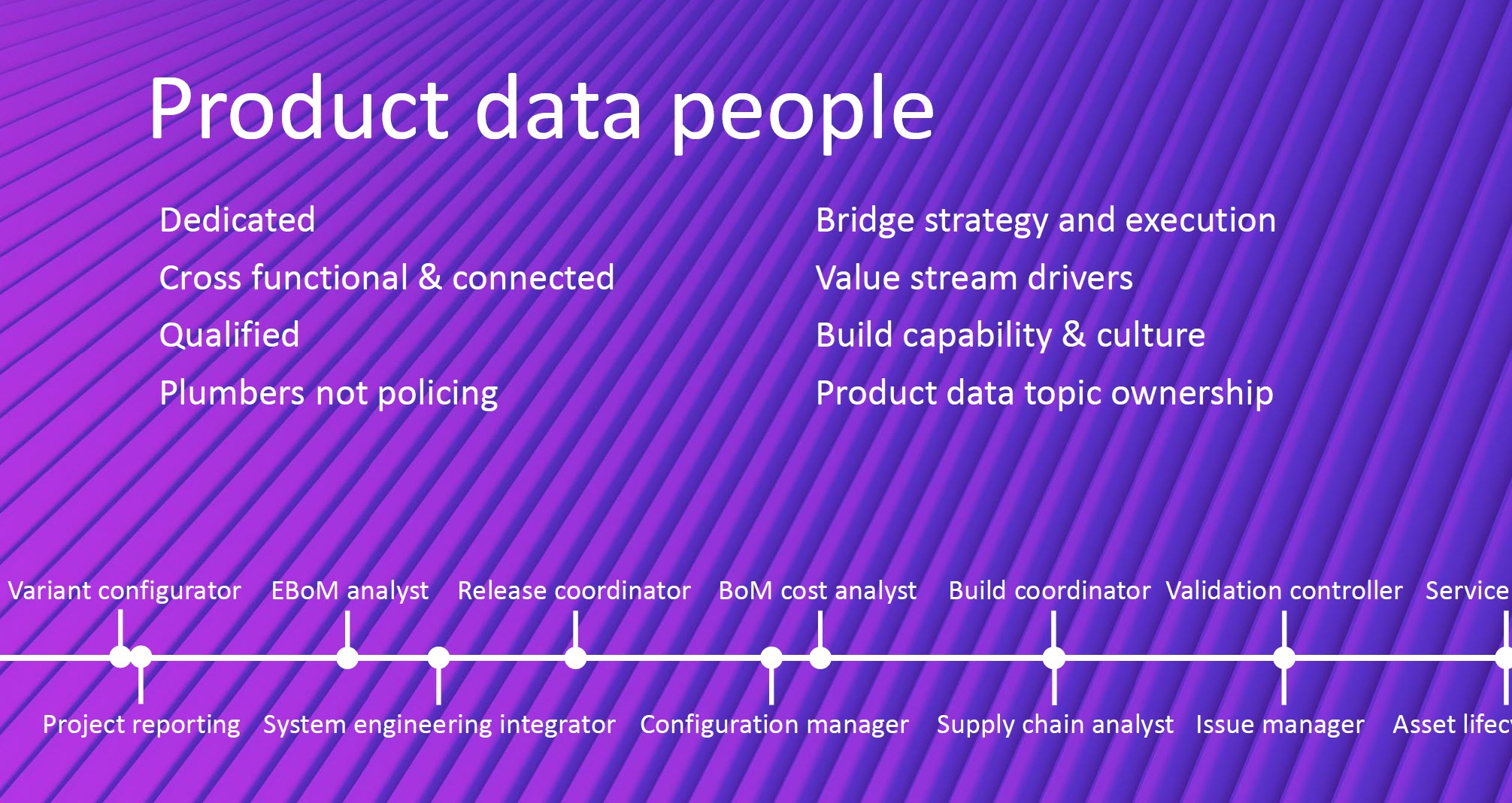
 Note: I believe that once companies become more mature in working with data-driven tools and processes, AI will slowly take over the role of these product data people.
 This approach neglects that PLM implementations are enablers for business transformation. Instead of doing things slightly more efficiently, significant gains can be made by doing things differently, starting with the people and their optimal new way of working, and then providing the best tools.
 If you are connected to the LinkedIn posts in my PLM feed, you might have the impression that everyone is gearing up for modern PLM. Articles often created with AI support spark vivid discussions. Before diving into them with my perspective, I want to set the scene by explaining what I mean by modern PLM and traditional PLM.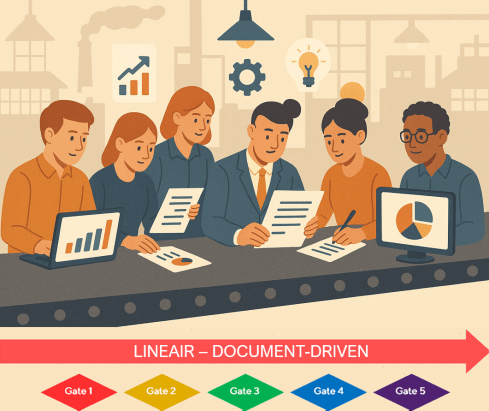
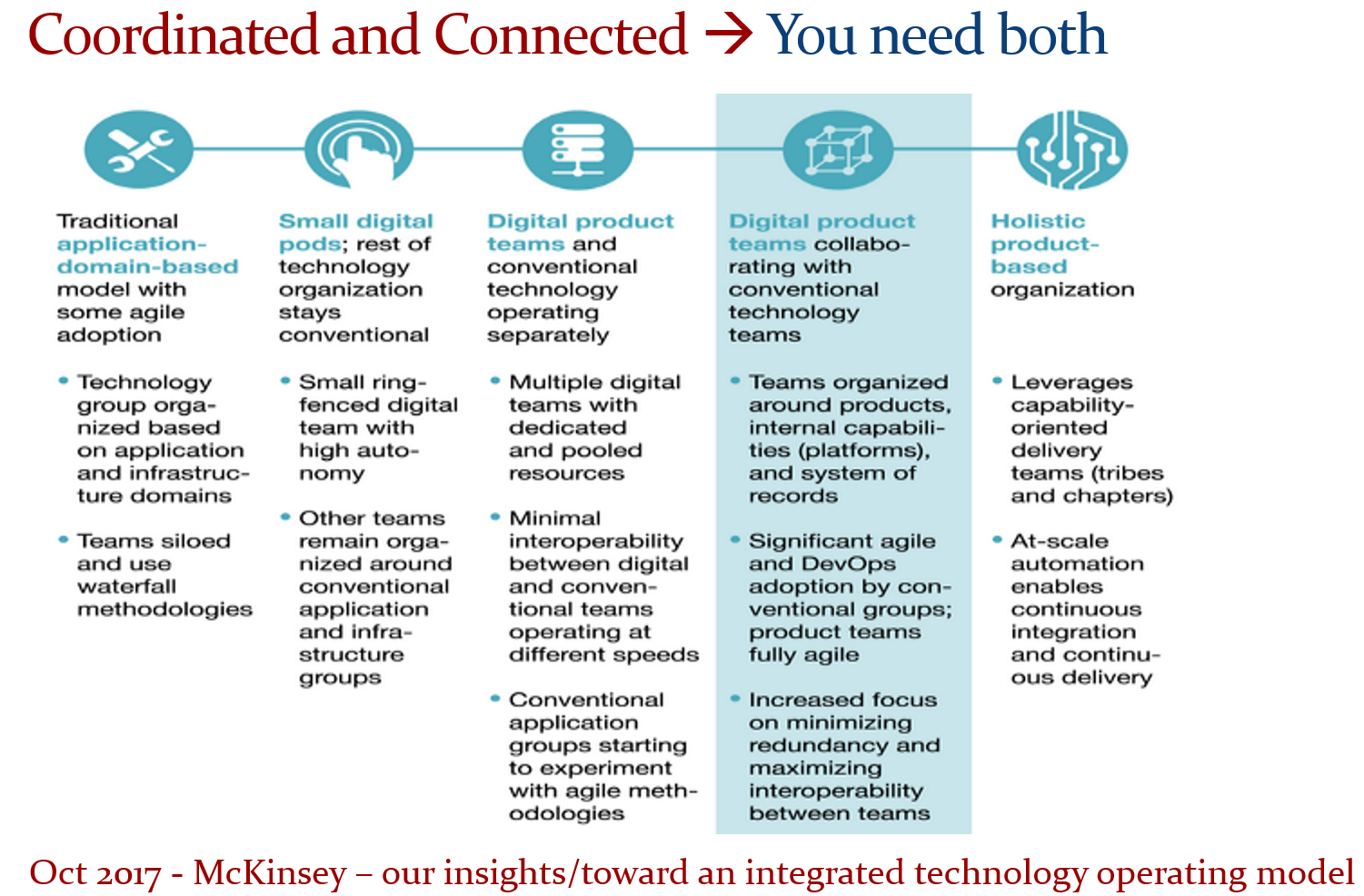
 The coordinated approach fits people working within their authoring tools and, through integrations, sharing data. The PLM system becomes a system of record, and working in a system of record is not designed to be user-friendly.
 When I talk about modern PLM, it is no longer about a single system. Modern PLM starts from a business strategy implemented by a data-driven infrastructure. The strategy part remains a challenge at the board level: how do you translate PLM capabilities into business benefits – the WHY?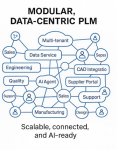
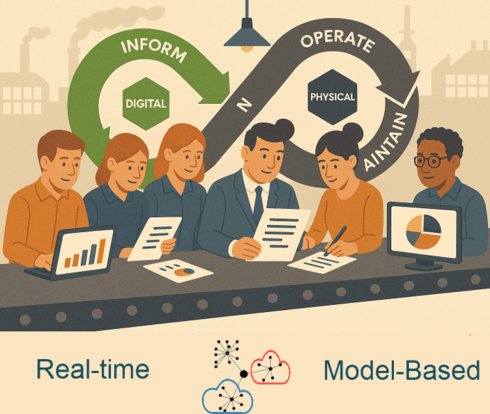
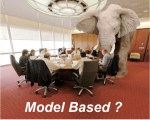
 Despite the considerable legacy pressure there are already companies implementing a coordinated and connected approach. An excellent description of a potential approach comes from
  So far in this article, I have not mentioned AI as the solution to all our challenges. I see an analogy here with the introduction of the smartphone. 2008 was the moment that platforms were introduced, mainly for consumers. Airbnb, Uber, Amazon, Spotify, and Netflix have appeared and disrupted the traditional ways of selling products and services.
 In our PLM domain, it took more than 10 years for platforms to become a topic of discussion for businesses. The 2015 PLM Roadmap/PDT conference was the first step in discussing the Product Innovation Platform – see my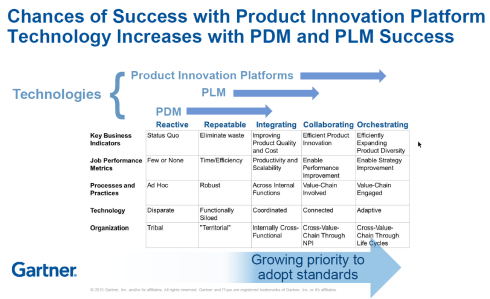
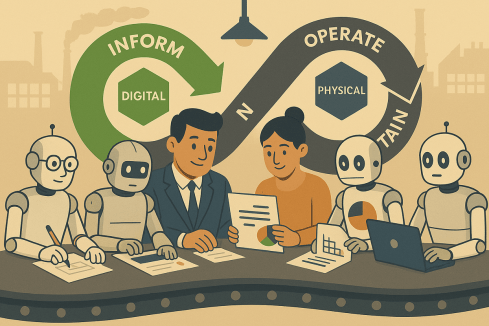


 The intention is, as mentioned, to share experiences and discuss challenges within the group. It will be a private group where people can discuss openly to avoid any business conflicts. The plan is to start with an initial kick-off Zoom meeting in June the date still to be fixed.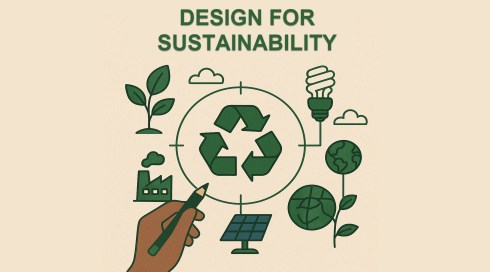
 In the last two weeks, I have had mixed discussions related to PLM, where I realized the two different ways people can look at PLM. Are implementing PLM capabilities driven by a cost-benefit analysis and a business case? Or is implementing PLM capabilities driven by strategy providing business value for a company?

 The biggest obstacle I have discovered is that people relate PLM to a system or, even worse, to an engineering tool. This 20-year-old misunderstanding probably comes from the fact that in the past, implementing PLM was more an IT activity – providing the best support for engineers and their data – than a business-driven set of capabilities needed to support the product lifecycle.
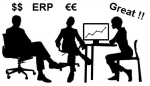 At the management level, the financial data coming from the ERP system drives the business. ERP systems are transactional and can provide real-time data about the company’s performance. C-level management wants to be sure they can see what is happening, so there is a massive focus on implementing the best ERP system.
 Why would you invest in PLM? Although the ERP engine will slow down without proper PLM, the complexity of PLM compared to ERP is a reason for management to look at the costs, as the PLM benefits are hard to grasp and depend on so much more than just execution.
 It is clear that when we accept the modern definition of PLM, we should be considering product lifecycle management as the management of the product lifecycle (as
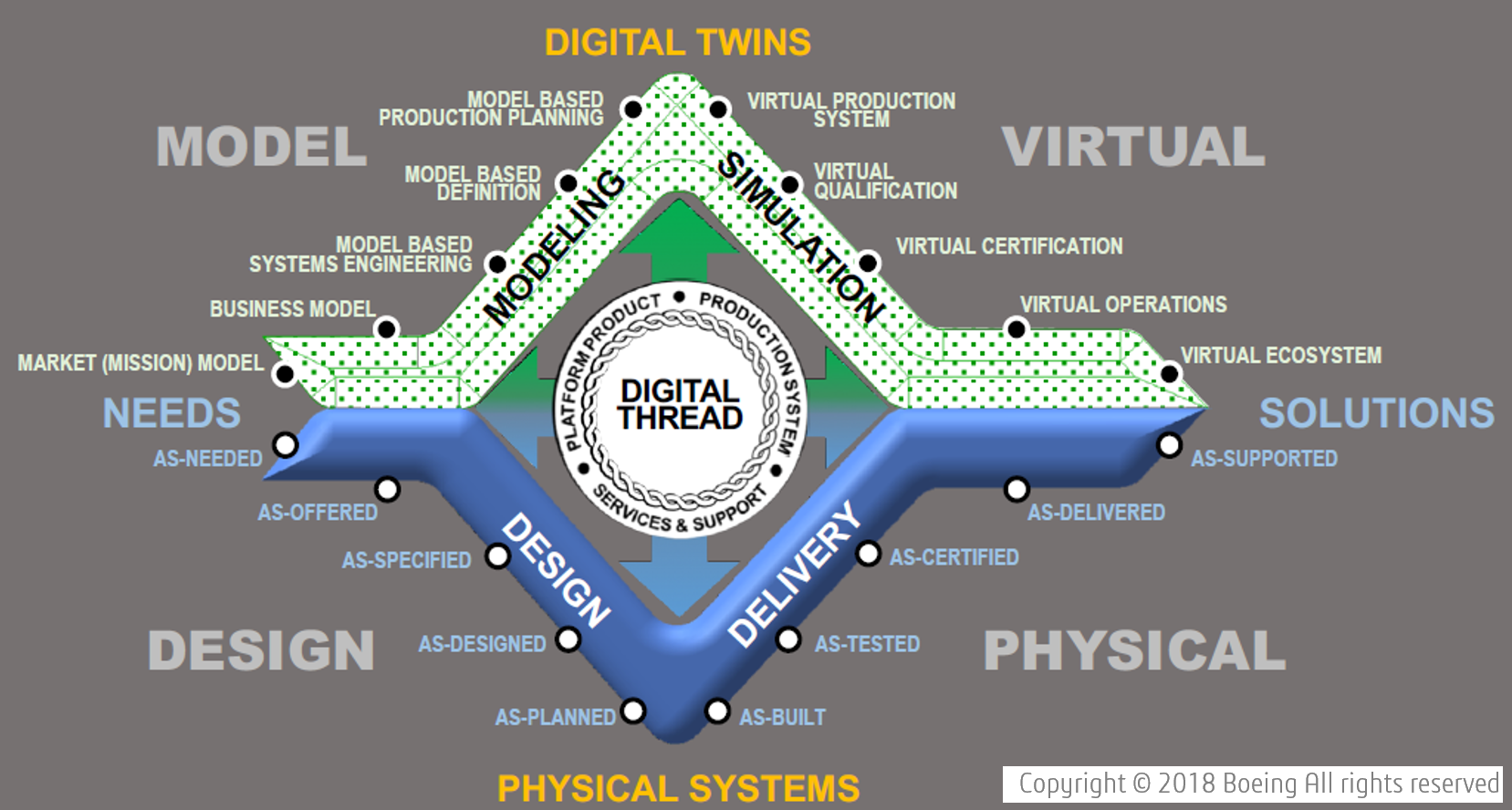
  I cannot believe that, although perhaps not fully understood, the importance of a data-driven approach will be discussed at many strategic board meetings. A data-driven approach is needed to implement a digital thread as the foundation for enhanced business models based on digital twins and to ensure data quality and governance supporting AI initiatives.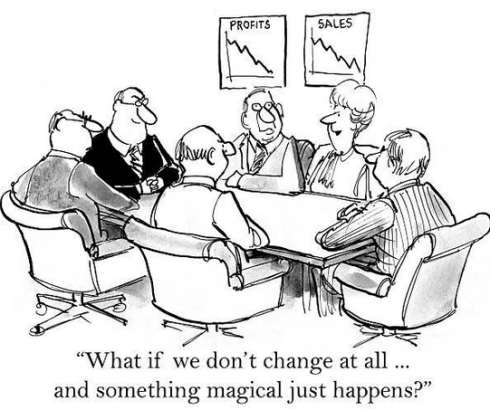
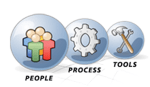 The real benefits come from doing things differently, and technology allows you to do it differently. However, this requires people to work differently, too, and this is the most common mistake in transformational projects.
 People are squeezed into an ideal performance without taking them on the journey. For that reason, it is essential to build a compelling story that motivates individuals to join the transformation. Assisting companies in building compelling story lines is one of the areas where I specialize.
 In the last two weeks, I had some interesting observations and discussions related to the need to have a (PLM) vision. I placed the word PLM between brackets, as PLM is no longer an isolated topic in an organization. A PLM strategy should align with the business strategy and vision.

 So far my impression is that most companies implement their digital enhancements (treads/graphs) in a bottom-up approach, not driven by a management vision but more like band-aids or places where it fits well, without a strategy or vision.
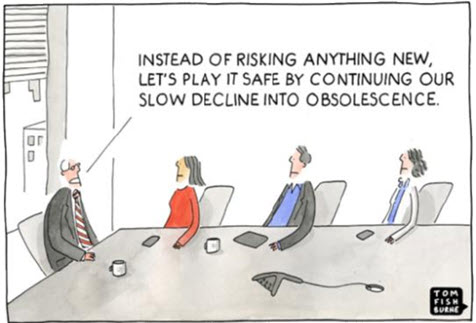
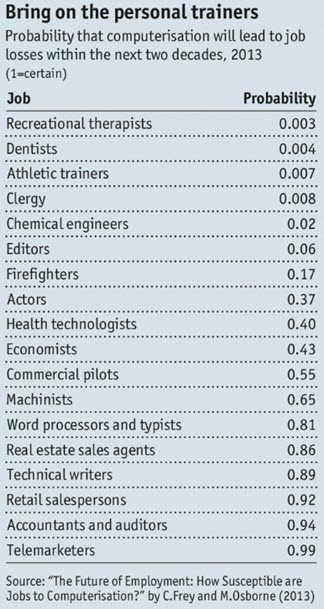
 Based on these findings, there will be classical efficiency plans, i.e., cutting costs somewhere, dropping some non-performing products, or investing in new technology that they cannot resist. Still, minor process changes and fundamental organizational changes are not expected.
 Everyone is happy when the company feels stable and profitable, even if the margins are under pressure. The challenge for this type of company without a vision is that they navigate in the dark when the outside world changes – like nowadays.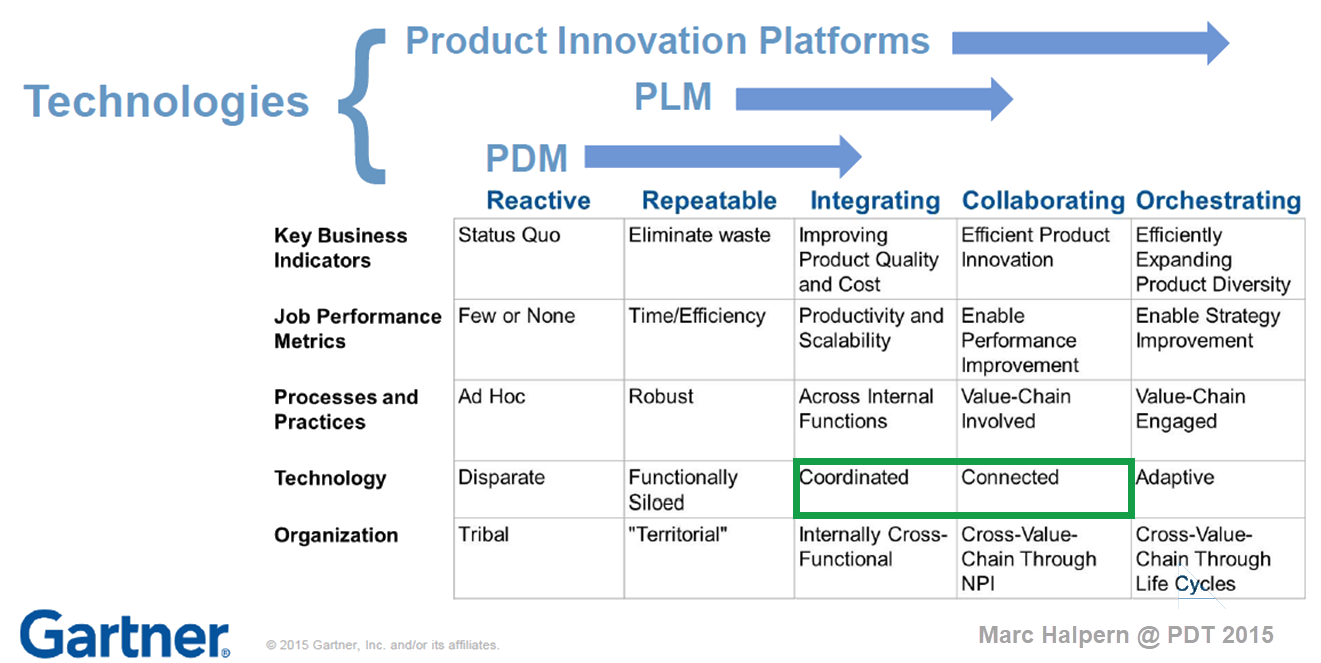
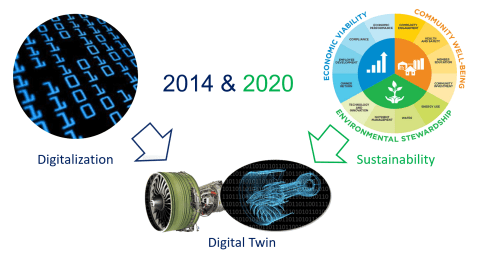
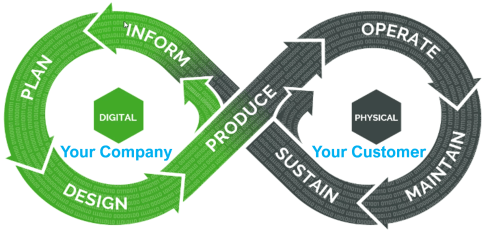
 And just when companies felt they could manage the transition from Coordinated to Coordinated and Connected, there was the fundamental disruption of embedded AI in everything, including the PLM domain.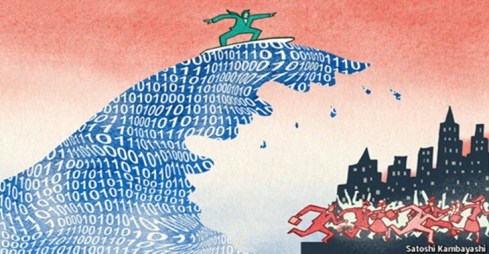
 Combining business strategy with in-depth PLM concepts is a relatively unique approach in our domain. Many of my peers have other primary goals, such as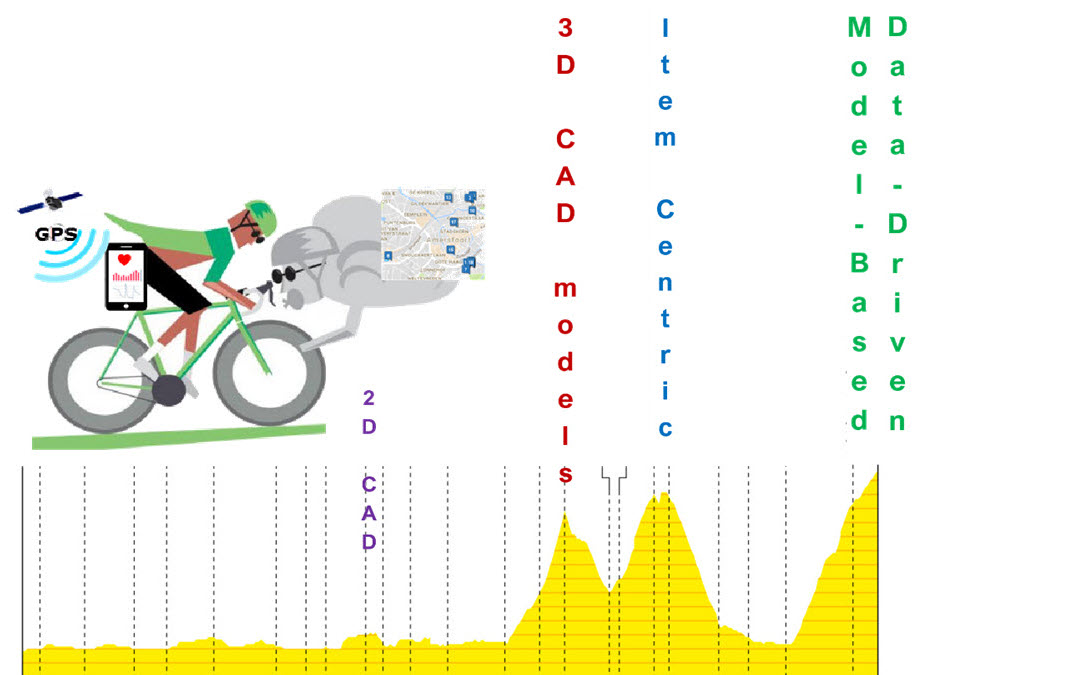
 Many current discussions in the PLM domain are about structures and data connectivity, Bills of Materials (BOM), or Bills of Information(BOI) combined with the new term Digital Thread as a Service (DTaaS) introduced by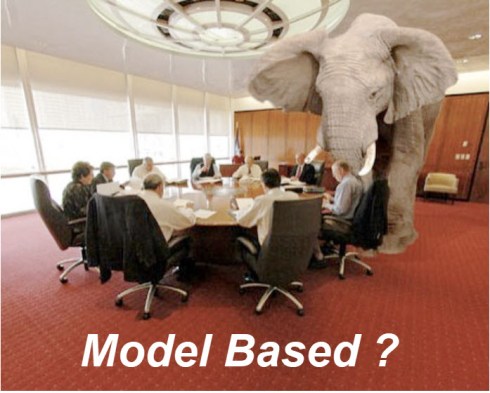
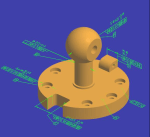
 MBD is a common practice in aerospace and particularly in the automotive industry. Other industries are struggling to introduce MBD, either because the OEM is not ready or willing to share information in a different format than 3D + 2D drawings, or their supplier consider MBD too complex for them compared to their current document-driven approach.
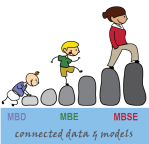 As I wrote, learning to work with MBD is a stepping stone in understanding a modern model-based and data-driven enterprise. See my 2022 post:
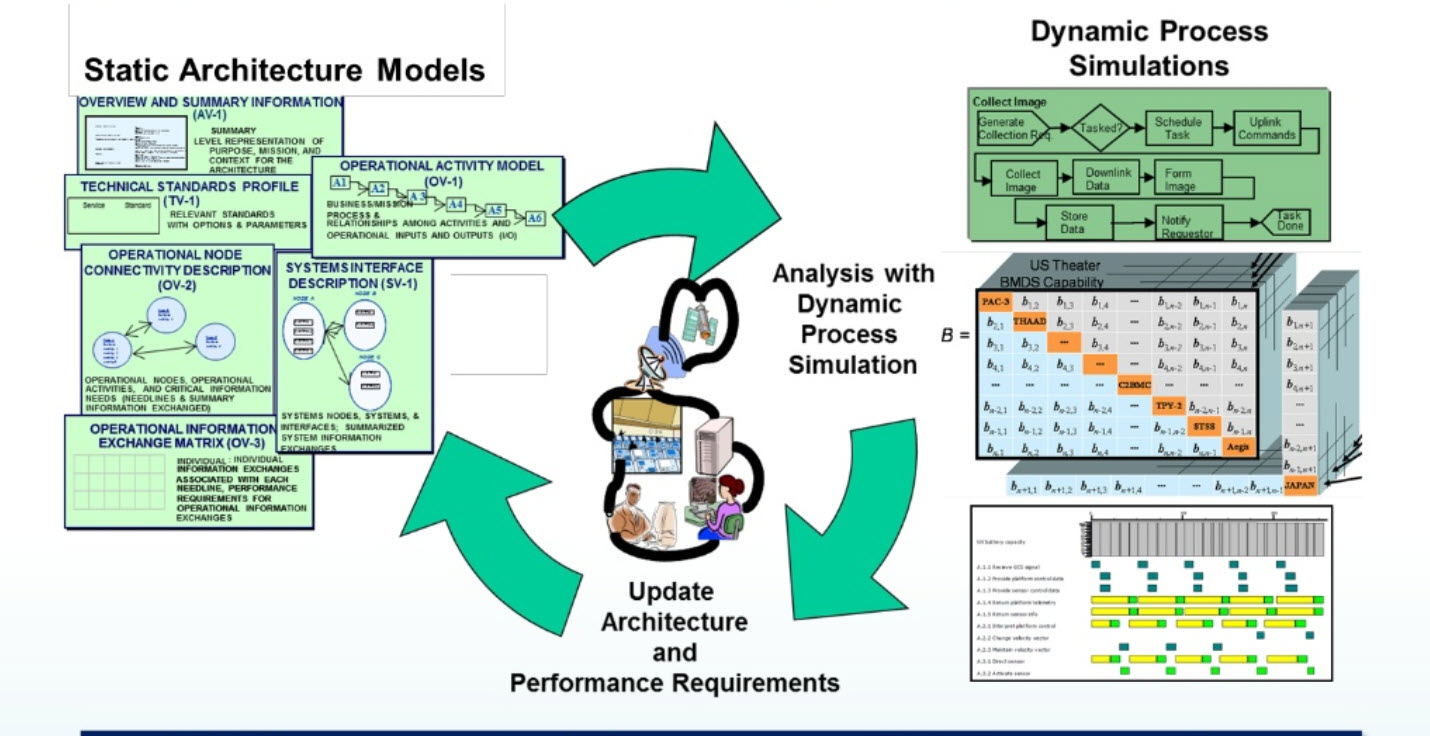

 These discussions are more challenging to follow as you need a broader and long-term vision, as implementing solutions/changes takes much longer than buying tools.
 Modularity is a design principle that breaks a system into smaller, independent, and interchangeable components, or modules, that function together as a whole. Each module performs a specific task and can be developed, tested, and maintained separately, improving flexibility and scalability.
 In the hardware world, this is different. Often, companies have a history of delivering a specific (hardware) solution, and the product has been improved by adding features and options where the top products remain the company’s flagships.

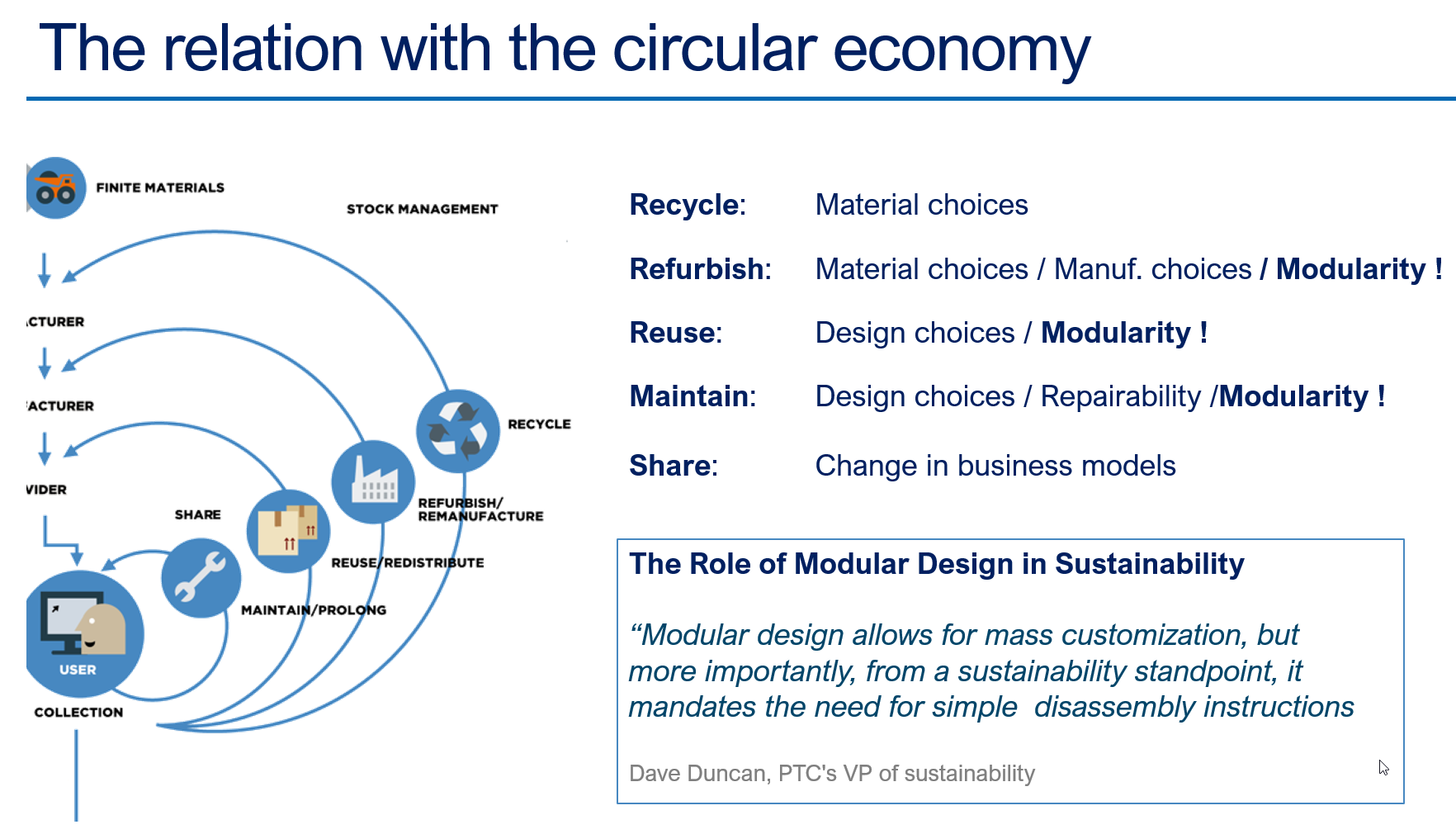

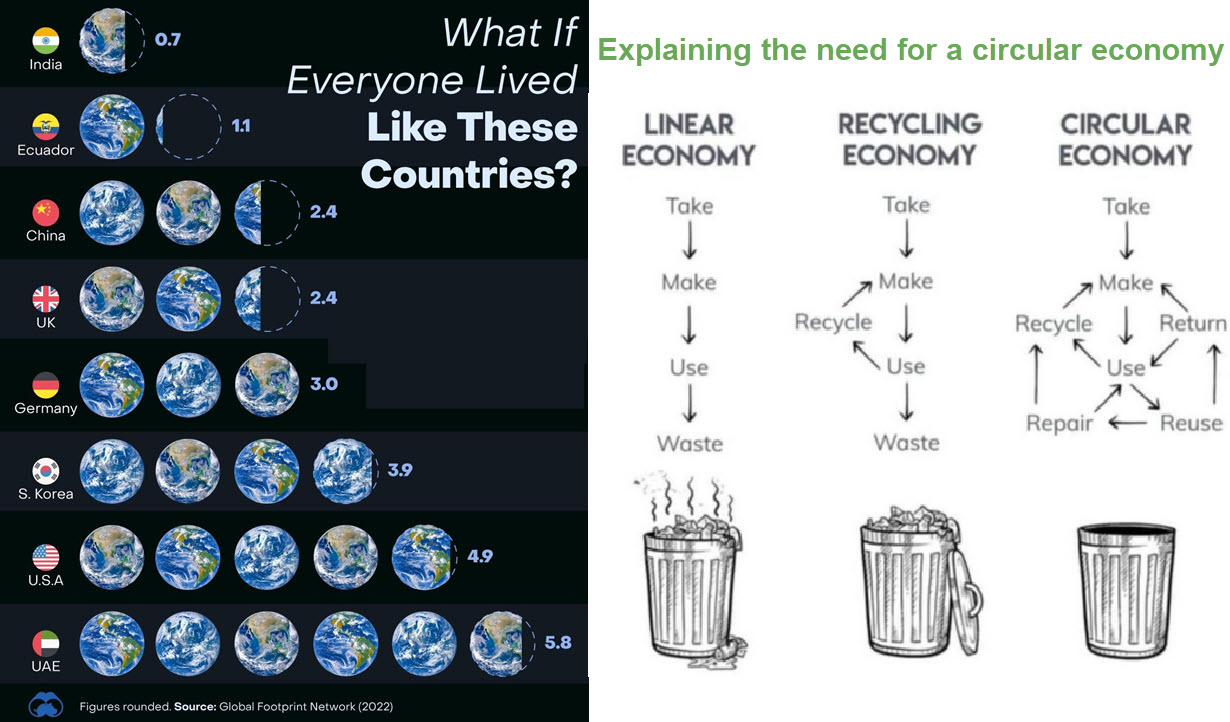
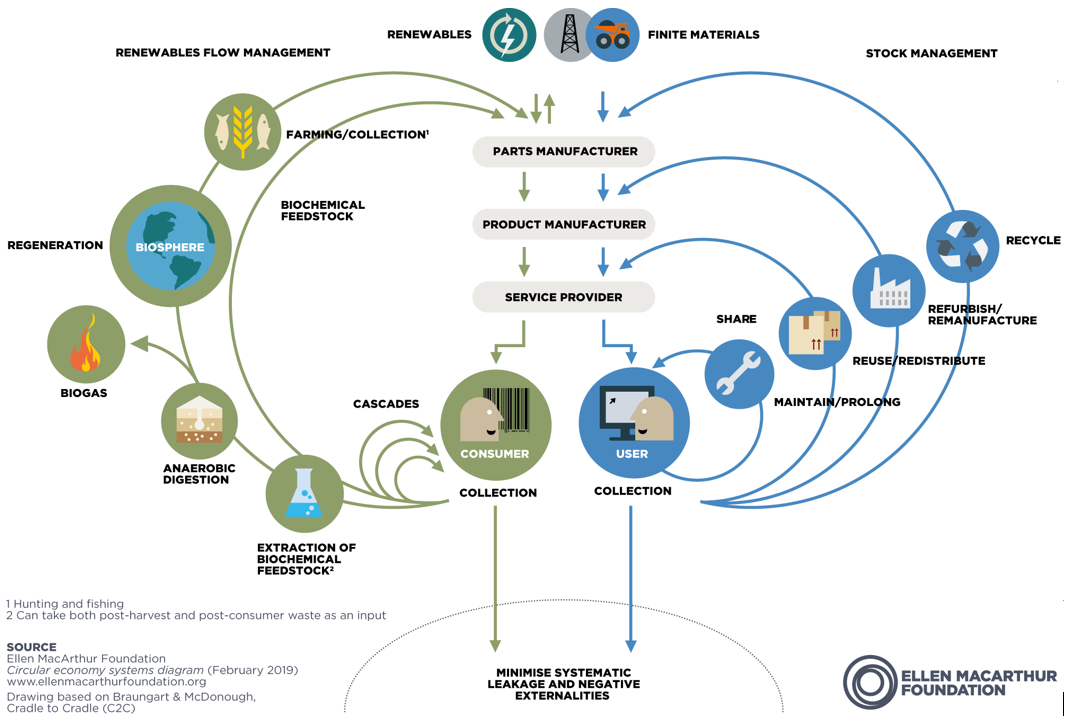
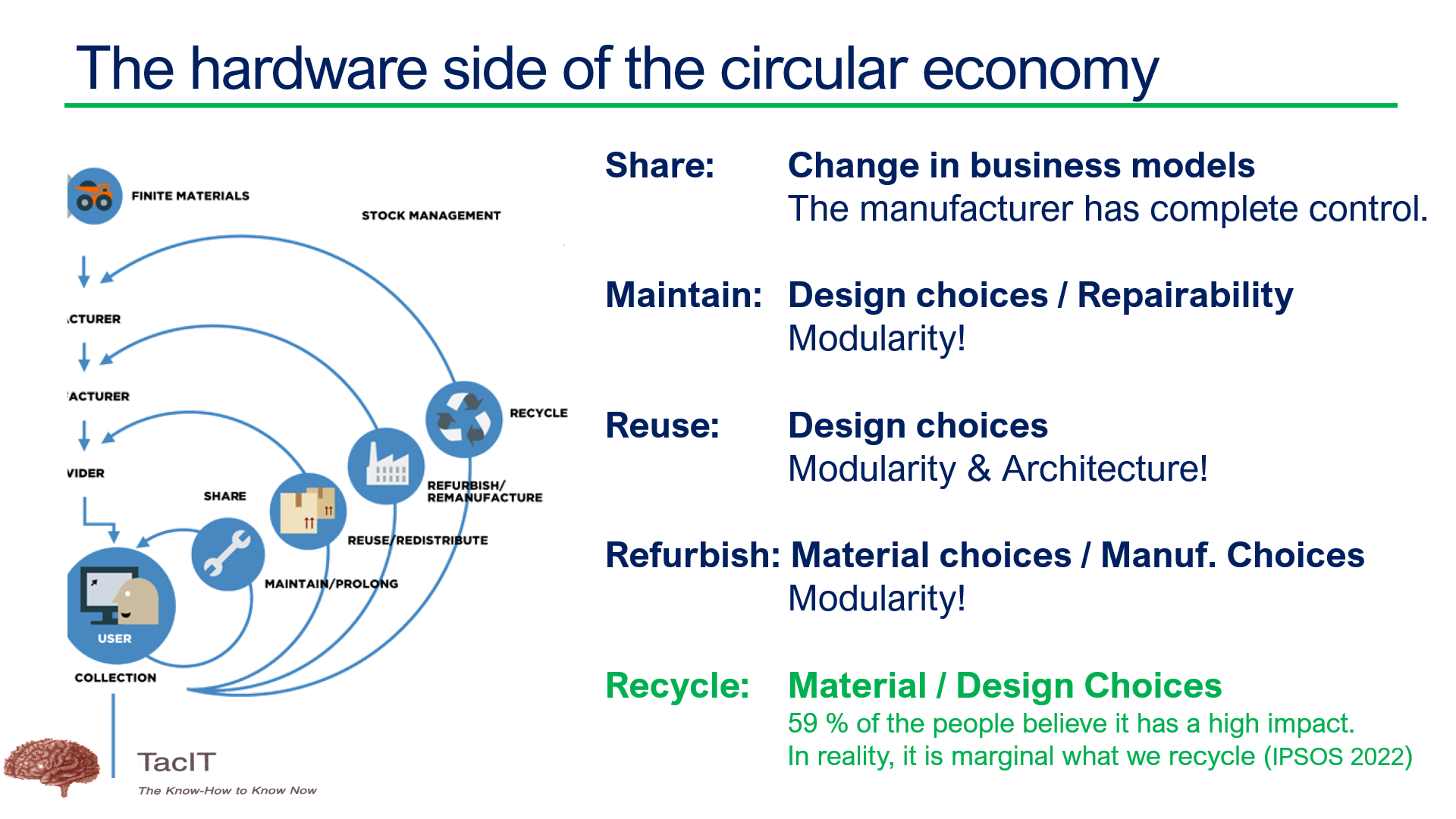
 If you reached this point of the article, my question is now to reflect on your business or company. Modularity is, for many companies, a dream (or vision) and will become, for most companies, a must to provide a sustainable business.
 IMPORTANT:


 The implementations became too much a highly customized environment, not necessarily thought-through as every customer worked differently based on their (paper) history. Thanks to learning from the discussions in the field supporting stalled implementations, I was also assigned to develop templates (e.g. SmarTeam Design Express) and standard methodology (the FDA toolkit), as the mid-market customers requested. The focus was on standard processes.
 In 2010, I wrote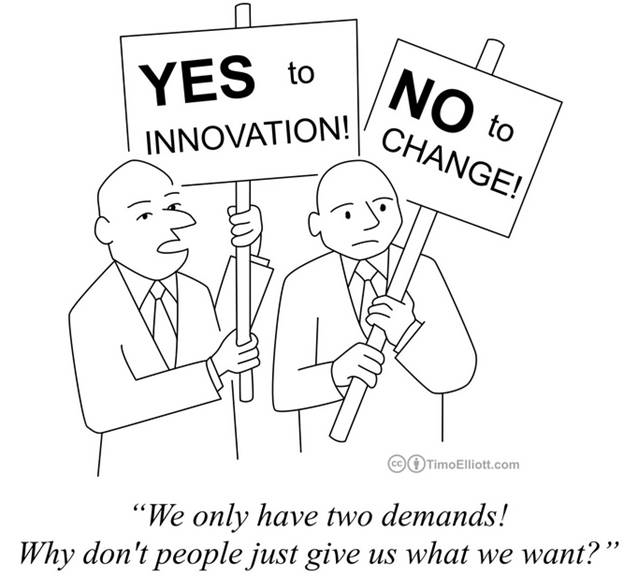
 The technology was there, the usability was not there. Many implementations of a PLM system go through a critical stage. Are companies willing to change their methodology and habits to align with common best practices, or do they still want to implement their unique ways of working (from the past)?
 I have seen companies that created a task or issue for every single activity a person should do. Managers loved the (demo) dashboard. It never lead to success as the approach created frustration at the end user level as their To-Do list grew and grew.
 Another example of the micro-management mindset is when I worked with a company that had the opposite definition of Version and Revision in their current terminology. Initially, they insisted that the new PLM system should support this, meaning everywhere in the interface where Revisions was mentioned should be Version and the reverse for Version and Revision.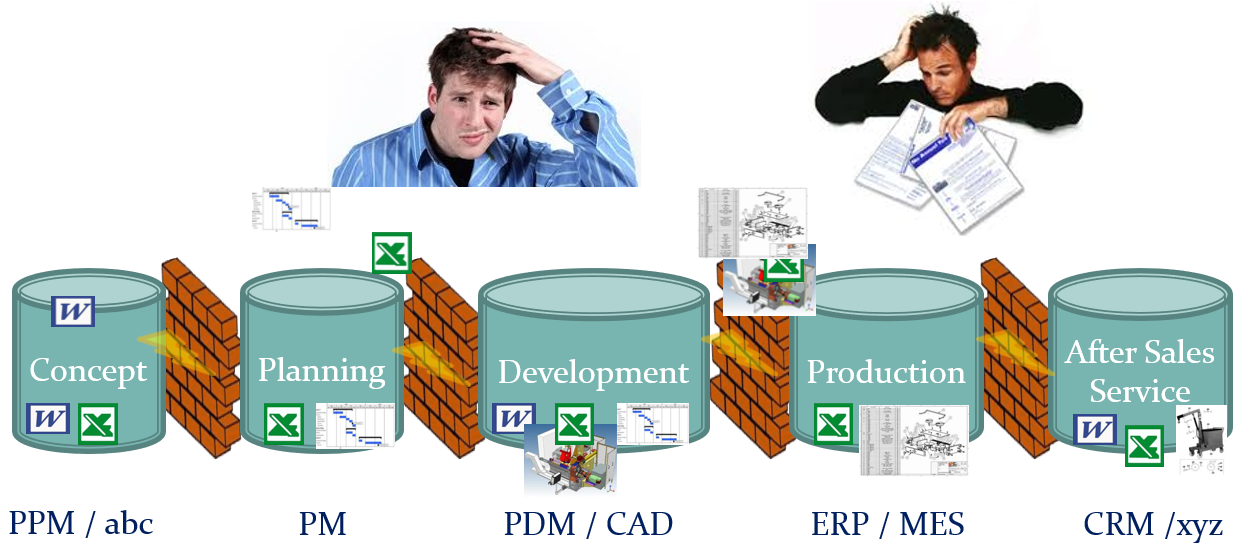
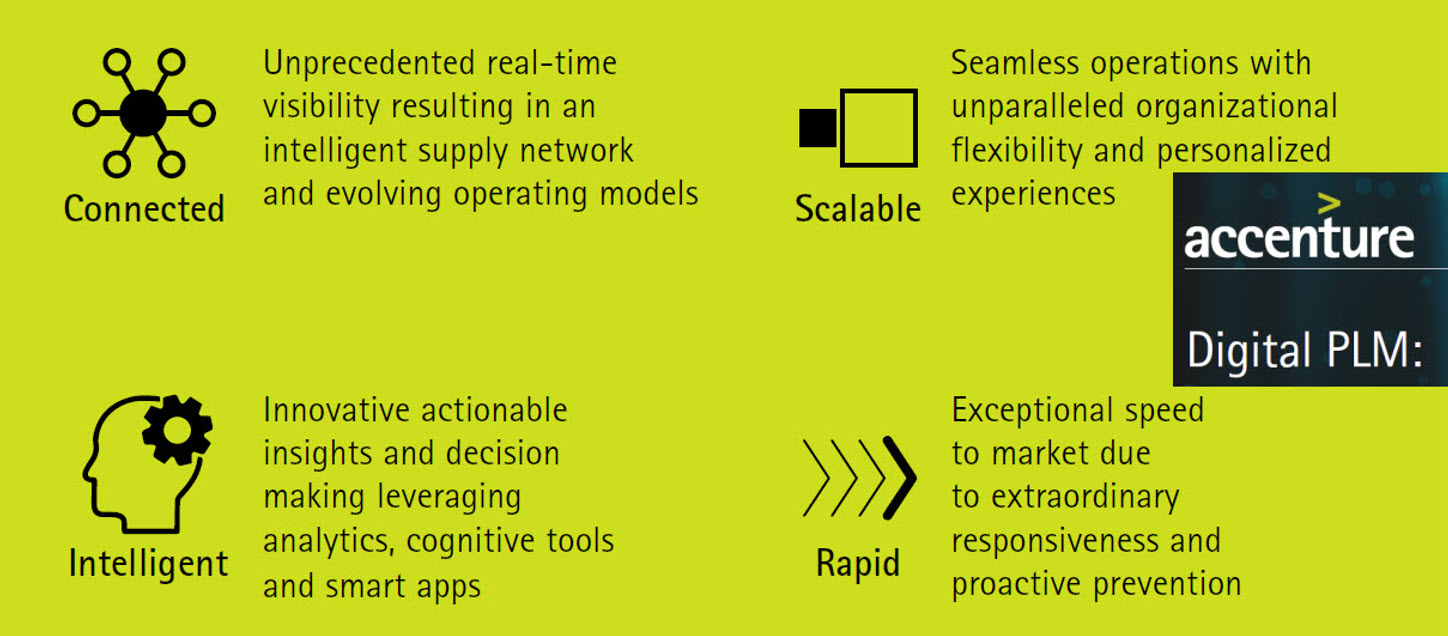
 At that time, I saw a few companies linking their digital transformation to implementing a new PLM system. Those were the days the PLM vendors were battling for the big enterprise deals, sometimes motivated by an IT mindset that unifying the existing PDM/PLM systems would fulfill the digital dream. Science was not winning, but emotion. Read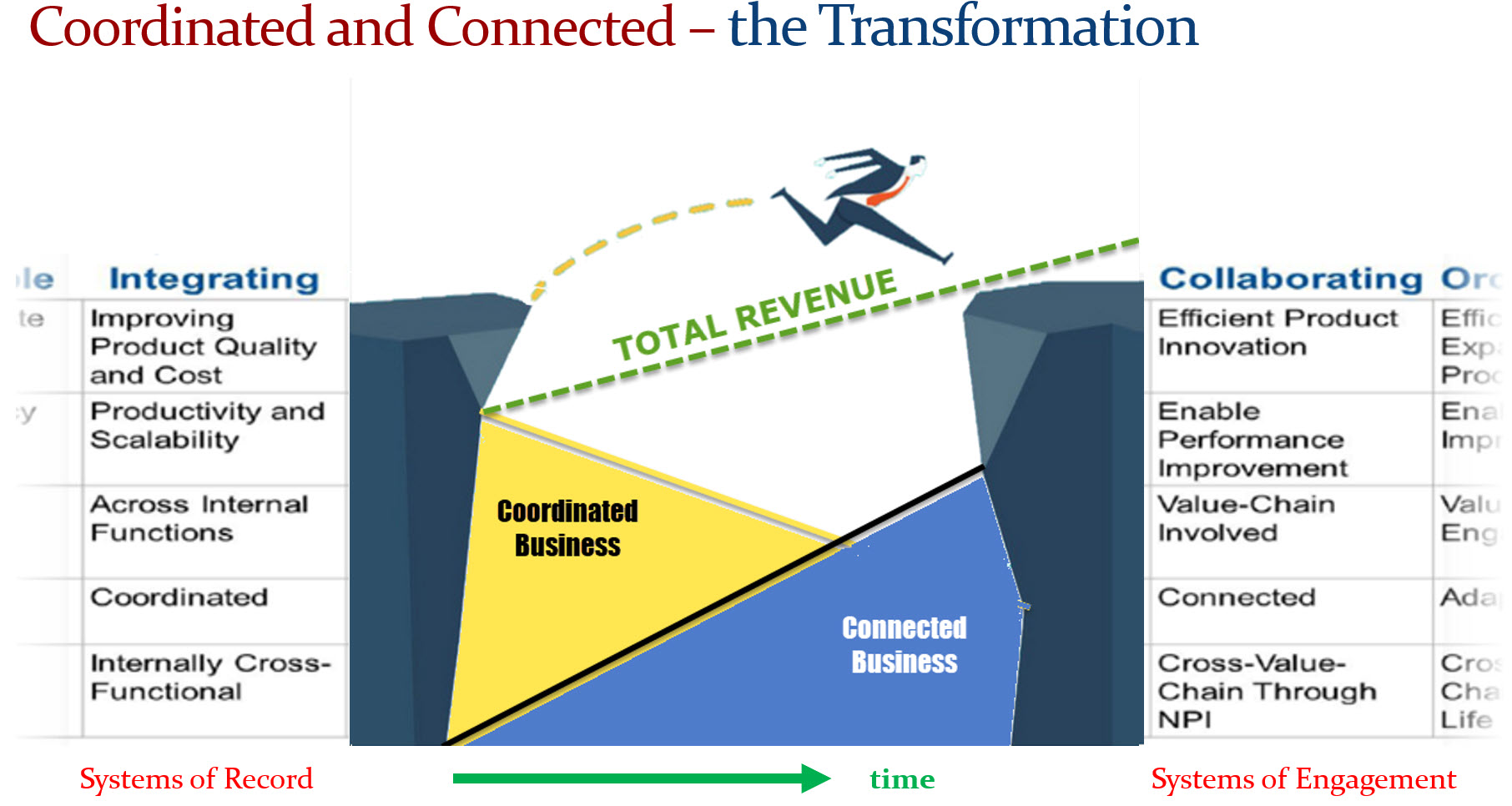
 In the past two years, I have been reading and digesting much news related to AI, particularly generative AI.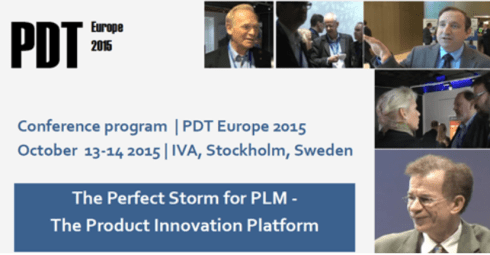
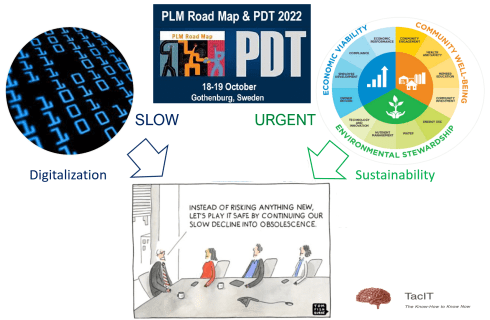
 Due to sustainability regulations, digital transformation has gotten a push in the right direction. GHG (Greenhouse Gas) reporting, ESG (Environmental Social Governance) reporting, CSRD (Corporate Sustainability Reporting Directive), and the DPP (Digital Product Passport) have all created the need for companies to create digital threads for information that historically did not exist or was locked in documents.
 The challenge of regulations is that they limit someone’s freedom. Regulations are there to create an equal playing field for all and ensure society makes progress. Be it traffic regulations, business regulations or environmental regulations. The challenge is not to over-regulate and create a
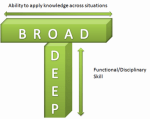 Still it is a transformational change in the way you work and this is a challenge for an existing workforce. They reached their status by being an expert in a certain discipline, by mastering specific skills. Now the needed expertise is changing (
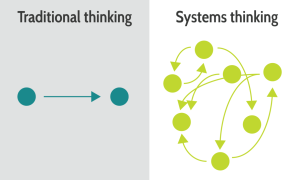 We cannot just produce product or consume like crazy if we care about future generations. It is not longer only about the money, it is about next generations and the environment – if you care. This complexity pushes us toward Systems Thinking – many topics are connected – addressing a single topic does not solve the rest.
 Historically Europe has been a stable democracy since the second world war and the European Union has been able to establish quite a unified voice step by step. Of course the European Union was heavily influenced by the Automotive and Agricultural lobby. Still the European Green Deal was established with great consensus in the middle instead of focusing on the extremes. A multi-party parliament guarantees a balanced outcome. However type of democracy is still very sensitive for influences from lobbyist and external forces.
 The US has been leading the world in polarization. With two major parties fighting always for the 51 % majority vote, there is no place for consensus. The winner takes it all. And although we call it a democracy, you need to have a lot of money to be elected and money is the driving power behind the elections. The WHY in most cases in the US is about short term money making, although I found an interesting point related to Elon Musk.
 In
In  Here we are not talking about a democracy anymore and they might seem the biggest enemy for the climate. However they have a long-term strategy. While keeping the world addicted to fossil fuels, they invest heavily in solar and hydrogen and once the western world understands the energy transition is needed, they are far ahead in experience and remain a main energy supplier.
 With 1.4 billion inhabitants and not a democracy either, China has a different mission. Initially as the manufacturing hub for the planet they needed huge amount of energy and therefore they are listed as the most polluting country in the world.
 It is a pity to mention Russia as with their war-economy and reliance on fossil fuels, they are on a path towards oblivion. Even if they would win a few other wars, innovation is gone and fossil is ending. It will be a blessing for humanity. I hope they will find a new long-term strategy.
 Jos Voskuil's Weblog
Interesting reflection, Jos. In my experience, the situation you describe is very recognizable. At the company where I work, sustainability…
[…] (The following post from PLM Green Global Alliance cofounder Jos Voskuil first appeared in his European PLM-focused blog HERE.) […]
[…] recent discussions in the PLM ecosystem, including PSC Transition Technologies (EcoPLM), CIMPA PLM services (LCA), and the Design for…
Jos, all interesting and relevant. There are additional elements to be mentioned and Ontologies seem to be one of the…
Jos, as usual, you've provided a buffet of "food for thought". Where do you see AI being trained by a…