
You are currently browsing the category archive for the ‘Blocking change’ category.
 The past half-year I have been intensively discussing potential PLM roadmaps with companies of different sizes and different maturity in PLM. Some companies are starting their PLM journey after many years of discussion and trying to identify the need and scope, others have an old PLM implementation (actually most of the time it is cPDM) where they discover that business paradigms from the previous century are no longer sufficient for the future.
The main changing paradigms are:
- From a linear product-driven delivery process towards an individual customer focused offering based on products and effective services, quickly -adapting to the market needs.
- From a document-driven, electronic files exchange based processes and systems towards data-driven platforms supporting information to flow in almost real-time through the whole enterprise.
Both changes are related and a result of digitization. New practices are under development as organizations are learning how to prepare and aim for the future. These new practices are currently dominating the agenda from all strategic consultancy firms as you cannot neglect the trend towards a digital enterprise. And these companies need next practices.
I wrote about it in recent posts: PLM what is next? and What is Digital PLM?
And what about my company?
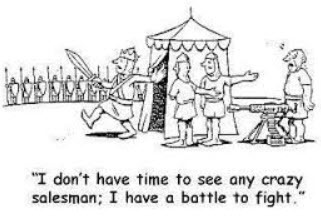 It is interesting to see that most of the PLM implementers and vendors are promoting best practices, based on their many years of experience working having customers contributing to functionality in their portfolio.
And it is very tempting to make your customer feel comfortable by stating:
“We will implement our (industry) best practices and avoid customization – we have done that before!”
I am sure you have heard this statement before. But what about these best practices as they address the old paradigms from the past?
Do you want to implement the past to support the future?
Starting with PLM ? Use Best Practices !
If the company is implementing PLM for the first time and the implementation is bottom-up you should apply the old PLM approach. My main argument: This company is probably not capable/ready to work in an integrated way. It is not in the company´s DNA yet. Sharing data and working in a controlled environment is a big step to take. Often PLM implementations failed at this point as the cultural resistance was too big.
When starting with classical PLM, avoid customization and keep the scope limited. Horizontal implementations (processes across all departments) have more success than starting at engineering and trying to expand from there. An important decision to make at this stage is 2D leading (old) or the 3D Model leading (modern). Some future thoughts: How Model-based definition can fix your CAD models. By keeping the scope limited, you can always evolve to the next practices in 5 -10 years (if your company is still in business).
Note 1: remark between parenthesis is a little cynical and perhaps for the timeframe incorrect. Still, a company working bottom-up has challenges to stay in a modern competitive global environment.
Note 2: When writing this post I got notified about an eBook available with the tittle Putting PLM within reach written by Jim Brown. The focus is on cloud-based PLM solution that require less effort/investments on the IT-side and as side effect it discourages customization (my opinion) – therefore a good start.
Evolving in PLM – Next Practices
 Enterprises that have already a PDM/PLM system in place for several years should not implement the best practices. They have reached the level that the inhibitors off a monolithic, document based environment are becoming clear.
They (must) have discovered that changing their product offering or their innovation strategy now with partners is adding complexity that cannot be supported easily. The good news, when you change your business model and product offering, there is C-level attention. This kind of changes do not happen bottom-up.
Unfortunate business changes are often discussed at the execution level of the organization without the understanding that the source of all products or offering data needs to be reorganized too. PLM should be a part of that strategic plan and do not confuse the old PLM with the PLM for the future.
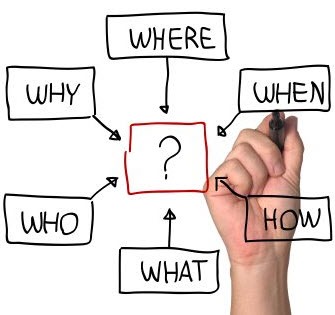 The PLM for the future has to be built upon next practices. These next practices do not exists out of the box. They have to be matured and experienced by leading companies. The price you pay when being a leader Still being a leader bring market share and profit your company cannot meet when being a follower.
The Bi-modal approach
As management of a company, you do not want a disruption to switch from one existing environment to a new environment. Too much risk and too disruptive – people will resist – stress and bad performance everywhere. As the new data-driven approach is under development (we are learning), the end target is still moving.
Evolving using the old PLM system towards the new PLM approach is not recommended. This would be too expensive, slow and cumbersome. PLM would get a bad reputation as all the complexity of the past and the future are here. It is better to start the new PLM with a new business platform and customer-oriented processes for a limited offering and connect it to your legacy PLM.
Over the years the new PLM will become more clear and grow where the old PLM will become less and less relevant. Depending on the dynamics of your industry this might take a few years till decades.
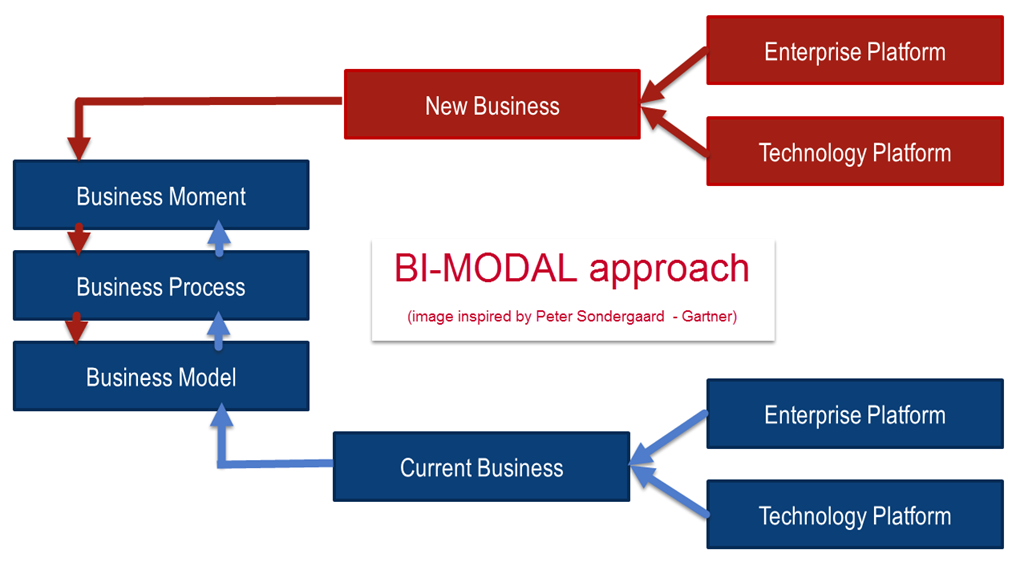
Gartner calls this the bi-modal approach. A bi-model approach requires orchestration needs full management attention as the future is going to be shaped here.
It must and will be a business-driven learning path for new best practices
Conclusion
Best Practices and Next Practices are needed in parallel. Depending on the maturity and lack of sharing information in your company, you can choose. Consider the bi-modal approach to choose a realistic time path.
What do you think? Could this simplified way of thinking help your company?
The theme Best Practices or Next Practices is not new. Prof. Krusse talked about it already 9 years ago in a generic way. Unfortunate the recording is in German only
 If you have followed my blog the recent years, you might have discovered my passion for a modern, data-driven approach for PLM. (Read about it here: The difference between files and data-driven – a tutorial (3 posts)).
The data-driven approach will be the foundation for product development and innovation in a digital enterprise. Digital enterprises can outperform traditional businesses is such a way that within five to ten years, non-digital businesses will be considered as dinosaurs (if they still exist).
In particular, a digital enterprise is operating in an agile, iterative way with the customer continuously in focus, where traditional enterprises often work more in a linear way, pushing their products to the market (if the market still is waiting for these commodities).
Read more about this topic here: From a linear world to fast and circular?
When and how to become a digital enterprise?
It is (almost) inevitable your company will transform at a particular time into a digital enterprise too. Either driven by a vision to remain ahead of the competition or as a final effort to stay in business as competing against agile digital competitors is killing your market share.
 One characteristic of a digital enterprise is that all benefits rely on accurate data flowing through the organization and its eco-system. And it does not matter if the data resides in a single system/platform like the major vendors are promoting or the fact that data is federated and consumed by the right person with the right role. I am a believer in the latter concept, still seeing current startups trying to create the momentum to achieve such an infrastructure. Have a look at my blog buddy’s company OpenBOM and Oleg’s recent article: The challenges of distributed BOM handover in data-driven manufacturing
No matter what you believe at this stage, the future is about accurate data. I bumped recently into some issues related actual data again. Some examples:
A change in objectives is needed!
 One of the companies I am working with were only focusing on individual outputs, either in their drawings (yes, the 3D Model was not leading yet) or/and in their Excels (sounds familiar ? ). When we started implementing a PLM backbone, it became apparent during the discovery phase we could not use any advanced search tools to have quick wins by aggregating data for better understanding of the information we discovered. Drawings and Models did not contain any (file) properties. Therefore, the only way to understand information was by knowing its (file) name and potential its directory. Of course, the same file could be in multiple directories and as there were almost no properties, how to know what belongs to what item ?
When discussing the future of PLM with such companies, you always hear people (mainly engineers) say:
“we are not administrators, we need to get our job done.”
This shortsighted statement is often supported by management, and then you get stuck in the past.
It is time for the management and engineers to realize their future is also based on a data-driven approach. Therefore adding data to a drawing or CAD model, or in the case of PLM, part / process characteristics become the job of an engineer. We have to redefine roles as in a digital enterprise there is nobody to fix data downstream. People fixing data issues are too expensive.
I do not want to go digital
 Most companies at this time are not ready for a digital enterprise yet. The changing paradigm is relatively new. Switching now to a modern approach cannot be done either because their culture is still based on the previous century or they are just in the middle of a standard PLM process, just learning to share files within their (global) origination. These companies might create an attitude:
“I do now want to go digital”
I believe this is ostrich behavior, like saying:
“I want all information printed on paper on my desk so I can work in comfort (and keep my job).”
History shows hanging to the past is killing for companies. Those companies that did not invest in the first electronic wave are probably out of business (unless they never had competition). The same for digital. In potentially ten years from now, it is not affordable to work in a traditional way anymore as labor cost and speed of information flowing through an organization are going to be crucial KPIs to stay in business.
The compromise
 As Dutch, we are always seeking compromises. It helped our country to become a leading trading nation and due to the compromises, we struggle less with strikes compared to our neighboring companies. Therefore my proposal for those who do not like digital at this stage: Add just a little digital workload to your day-to-day business, preferably stimulated and motivated by your management and promoted as a company initiative. By adding as much as possible relevant properties and context to your work, you will be working on the digital future of your company. When the times is there to become digital, it will be much easier to connect your old legacy information to the new digital platform, speeding up the business transformation.
And of course there will be tools
If you are observing what is happening in the PLM domain , you will see more and more tools for data discovery and data cleansing will appear on the market. Dick Bourke wrote end of last year an introduction article about this topic at Engineering.com: Is-Suspect-Product-Data-the-Elephant-in-the-Search-and-Discover-Room? Have a read to get interested.
And there are rewards
Once you have more accurate data, you can:
- Find it (saving search time)
- Create reports through automation (saving processing time)
- Apply rules (saving validation work & time or processing time)
- Create analytics (predict the future – priceless J)
Conclusion
We are in a transition phase the way PLM will is implemented. What is clear, no matter in which stage you are, accurate data is going to be crucial for the future? Use this awareness for your company to stay in business.
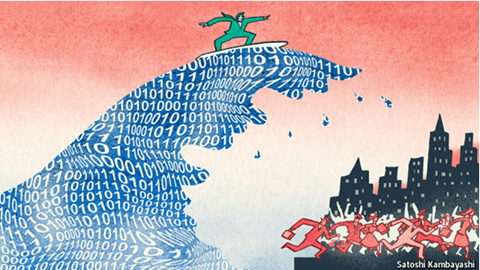
Image and article related to the article “The Onrushing Wave” in the Economist Jan 18th, 2014
When PLM is discussed at management level, often the goal is to increase efficiency, which translates into doing the same with fewer people. And it is the translation that is creating worries inside the company. The PLM system is going to cut down the amount of jobs in our company.
The result: People, who fear their job is at risk, will make sure PLM will fail and become blockers. These people will be the ones defending the “good old way of working” and create a mood of complexity for the new PLM system.
I wrote some time ago a post about PLM and Blockers
At the end there is frustration at all levels in the company and PLM systems are to blame.
How to address the fear for disappearing jobs block a PLM implementation?
First of all if you implement PLM now, do not target efficiency only. There is a digital revolution ongoing, radically changing standard businesses and markets. The picture at the top says it all. If you are still not convinced, read the “old” article from the Economist or more related to PLM, I just read this article from Accenture consulting talking about Digital PLM. I liked the opening sentence from that article:
“It’s time to adopt a digital model for product lifecycle management – or get left behind.”
 The digital revolution forces companies to become extremely flexible and agile. Business models can rapidly change. Where perhaps your company was the market leader, a few years you can be in trouble, due to the decoupling of products and services in a different business model. There are a few places where you do not have to worry (yet). If you are in a governmental type of business (no competition – you are the only preferred supplier) the less worried you might be for the upcoming digital revolution. Other types of companies need to make a strategic plan.
Making a strategic plan
 The strategic plan starts at the board level and has, of course, elements of efficiency. However, the major strategic discussion should be: “How will we differentiate our company in the future and stay in business and profitable”. This cannot be by competing on price only. It requires you can excite your future customers and who these customers are might not be clear yet either.
Different business models can give the company a better position in the market. The current trend in competitive markets is that the value does not come from selling products. Selling services or operation capacity (OPEX instead of CAPEX) are currently upcoming new business models and they need constant anticipation to what happens in the market or at your potential customer base.
Digitalization of information and being able to work with real-time information, instead of information hidden in documents, handled by document controllers, creates the opportunity to change. For example the potential of “The Internet of Everything” is huge.
At the board level, you need the vision where the company should be in the next 5 to 10 years. It will not bubble up automatically in an organization. And when talking about PLM, it should be digital PLM.
Next communication
It is not easy to communicate the above if you have not lived through the whole process in your mind. Management needs to be able to explain the vision and its impact on the organization in such a way that it empowers people instead of making them afraid of change. We all know the examples of charismatic CEOs, like Steve Jobs, who could energize a company and its customers. However, it is clear that not every CEO is like Steve Jobs.
Once you are able to communicate the vision, it will be logical that the organization needs new processes and in modern digital processes create different responsibilities and need different management styles.
Disappearing jobs
When you start implementing PLM in a modern approach (digital PLM according to Accenture) there will be jobs disappearing. There is no need to be secretive about that; it is a result of the vision that should be known to everyone in the company.
Disappearing jobs are:
- jobs where people are processing data (from one format to the other) and checking follow-up processes (from on Excel to the other). If your daily job is collecting data and filling spreadsheets with data your job is at risk. In a digital environment, the data will be real-time available and can be filtered and presented in automatic reports or dashboards.
- Jobs where team managers have the major task to decide on priorities for the team and fight with other discipline team managers on priorities. In a digital environment, empowered employees will understand conflicting activities and they will be able to discuss and decide immediately with the relevant people. No need for an intermediate layer of people handling escalations only. It is true that this modern approach requires a different management style and people who can deal with being empowered. In general, empowered people feel more motivated that employees who are just doing what their managers tell them to do. The business change from hierarchical and siloed organizations towards networked organizations is critical and challenging – all depending on trust and the right change management.
- The classical fire-fighters. At first glance they are considered as crucial as they solve all the issues with great energy, do not run away when work needs to be done and make it happen. From the management perspective, these people are blocking change as they flourish from the chaos and do not fix or prevent new issues coming up.
For all other people in the company, digital PLM should bring relief – see the Gartner quote below.
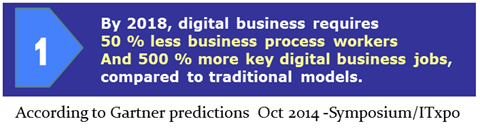
Digital business jobs imply spending less time in searching for information. Less work in a reactive mode as information in the right context in real-time will be available. End to end visibility of information combined with transparency will lead to higher performance and motivation. It requires changing behaviors, motivation must come from the inspiration of the management and the understanding that your company is becoming more flexible and more competitive than before. And for that reasons keeping you in business and providing you an interesting place to work.
Conclusion: Do not use PLM to improve efficiency only and ROI discussions. There is a strategic need to be ready and stay in business for the future. Modern PLM is an enabler, however, requires a vision, inspiring communication and a path for employees to be empowered.
I am curious about your opinion – will this happen to your company / industry?
 This is a post I published on LinkedIn on July 28th related to a discussion around Excel and PLM usage and usability.
Reposted for my blog subscribers.
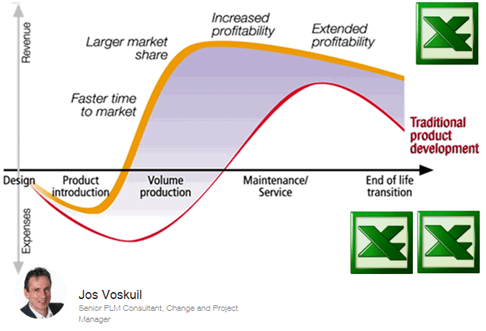
This post is written in the context of two posts that recently caught my attention. One post from Lionel Grealou – comparing PLM and Excel collaboration and reaction on this post and its comments by Oleg Shilovitsky – PLM Need for speed.
Both posts discuss the difference between Excel (easy to use / easy to deploy ) and a PLM system (complex to use / complicated deployment). And when you read both posts you would believe that it is mainly deployment and usability that are blocking PLM systems to be used instead of Excel.
Then I realized this cannot be the case. If usability and deployment were blocking issues for an enterprise system, how would it be possible that the most infamous system for usability, SAP, it one of the top-selling enterprise applications. Probably SAP is the best-selling enterprise application. In addition, I have never heard about any company mentioning SAP is easy to deploy. So what is the difference?
I assume if Excel had existed in its current state in the early days of MRP, people might be tempted to use Excel for some ERP functions. However they would soon realize that Excel is error prone and when you buy the wrong materials or when make errors in your resource scheduling, soon you would try to solve it in a more secure way. Using an ERP system.
ERP systems have never been sold to the users for their usability. It is more that the management is looking for guarantees that the execution process is under control. Minimize the potential for errors and try to automate all activities as much as possible. As the production process is directly linked to finance, it is crucial to have it under control. Goodbye usability, safety first.
Why is this approach not accepted for PLM?
Why do we talk about usability?
First of all, the roots for PLM come from the engineering department (PDM) and, therefore, their primary data management system was not considered an enterprise system. And when you implement a system for a department, discussions will be at the user level. So user acceptance became necessary for PDM and PLM.
But this is not the main reason. Innovation, Product Development, Sales Engineering, Engineering are all iterative activities. In contrary to ERP, there is no linear process defined how to develop the ultimate product the first time right. Although this believe existed in the nineties by an ERP country manager that I met that time. He told me
“Engineers are resources that do not want to be managed, but we will get them.”
An absurd statement I hope you agree. However, the thoughts behind this statement are correct. How do you make sure product development is done in the most efficient manner?
If you look at large enterprises in the aerospace or automotive industry, they implemented PLM, which for sure was not user-friendly. Why did they implement PLM? As they did not want to fix the errors, an Excel-like implementation would bring.
Using Excel has a lot of hidden costs. How to make sure you work with the right version as multiple copies exist? How do you know if the Excel does not contain any type indicating wrong parts? You will learn this only once it is too late. How do you understand the related information to the Excel (CAD files, specifications, etc., etc.)? All lead to a lot of extra manual work depending on the accuracy and discipline of every employee in the company. Large enterprises do not want to be dependent on individual skills.
Large enterprise have shown that it is not about usability in the first place if you wish to control the data. Like for ERP systems, they are aware of the need for PLM with reduced usability above being (fl)Exel with all its related inconvenience.
I believe when there is a discussion about PLM or Excel, we have not reached the needed conceptual level to implement PLM. PLM is about sharing data and breaking down silos. Sharing allows better and faster collaboration, maintaining quality, and this is what companies want to achieve. Therefore the title: How do you measure collaboration. This is the process you wish to optimize, and I suspect that when you would compare user-friendly collaboration with Excel with less user-friendly PLM, you might discover PLM is more efficient.
Therefore stop comparing Excel and PLM. It is all about enabling collaboration and changing people to work together (the biggest challenge – more than usability).
Conclusion: Once we have agreed on that concept, PLM value is about collaboration, there is always to hope to enhance usability. Even SAP is working on that – it is an enterprise software issue.

Two weeks ago I got this message from WordPress, reminding me that I started blogging about PLM on May 22nd in 2008. During some of my spare time during weekends, I began to read my old posts again and started to fix links that have been disappearing.
Initially when I started blogging, I wanted to educate mid-market companies about PLM. A sentence with a lot of ambiguities. How do you define the mid-market and how do you define PLM are already a good start for a boring discussion. And as I do not want to go into a discussion, here are my “definitions”
Warning: This is a long post, full of generalizations and a conclusion.
PLM and Mid-market
The mid-market companies can be characterized as having a low-level of staff for IT and strategic thinking. Mid-market companies are do-ers and most of the time they are good in their domain based on their IP and flexibility to deliver this to their customer base. I did not meet mid-market companies with a 5-year and beyond business vision. Mid-market companies buy systems. They bought an ERP system 25-30 years ago (the biggest trauma at that time). They renewed their ERP system for the Y2K problem/fear and they switched from drawing board towards a 2D CAD system. Later they bought a 3D CAD system, introducing the need for a PDM system to manage all data.
PLM is for me a vision, a business approach supported by an IT-infrastructure that allows companies to share and discover and connect product related information through the whole lifecycle. PLM enables companies to react earlier and better in the go-to-market process. Better by involving customer inputs and experience from the start in the concept and design phases. Earlier thanks to sharing and involving other disciplines/suppliers before crucial decisions are made, reducing the amount of iterations and the higher costs of late changes.
 Seven years ago I believed that a packaged solution, combined with a pre-configured environment and standard processes would be the answer for mid-market companies. The same thought currently PLM vendors have with a cloud-based solution. Take it, us it as it is and enjoy.
Here I have changed my opinion in the past seven years. Mid-market companies consider PLM as a more complex extension of PDM and still consider ERP (and what comes with that system) as the primary system in the enterprise. PLM in mid-market companies is often seen as an engineering tool.
LESSON 1 for me:
The benefits of PLM are not well-understood by the mid-market
To read more:
PLM for the mid-market – mission impossible?
PLM for the SMB – a process or culture change ?
Culture change in a mid-sized company – a management responsibility
Mid-market PLM – what did I learn in 2009 ?
Implementing PLM is a change not a tool
Who decides for PLM in a mid-market company ?
More on: Who decides for PLM in a mid-market company ?
Globalization and Education
 In the past seven years, globalization became an important factor for all type of companies. Companies started offshoring labor intensive work to low-labor-cost countries introducing the need for sharing product data outside their local and controlled premises. Also, acquisitions by larger enterprises and by some of the dominant mid-market companies, these acquisitions introduced a new area of rethinking. Acquisitions introduced discussions about: what are real best practices for our organization? How can we remain flexible, meanwhile adapt and converge our business processes to be future ready?
Here I saw two major trends in the mid-market:
Lack of (PLM) Education
 To understand and implement the value of PLM, you need to have skills and understanding of more than just a vendor-specific PLM system. You need to understand the basics of change processes (Engineering Change Request, Engineering Change Order, Manufacturing Change Order and more). And you need to understand the characteristics of a CAD document structure, a (multidisciplinary) EBOM, the MBOM (generic and/or plant specific) and the related Bill of Processes. This education does not exist in many countries and people are (mis-)guided by their PLM/ERP vendor, explaining why their system is the only system that can do the job.
Interesting enough the most read posts on my blog are about the MBOM, the ETO, BTO and CTO processes. This illustrates there is a need for a proper, vendor-independent and global accepted terminology for PLM
Some educational posts:
Bill of Materials for Dummies – ETO ranked #1
ECR/ECO for Dummies ranked #2
BOM for Dummies – CTO ranked #4
BOM for Dummies: BOM and CAD ranked #7
BOM for Dummies – BTO
Where does PLM start beyond document management ?
The dominance of ERP
 As ERP systems were introduced long before PLM (and PDM), these systems are often considered by the management of a mid-market company as the core. All the other tools should be (preferably) seen as an extension of ERP and if possible, let´s implement ERP vendor´s functionality to support PLM – the Swiss knife approach – one tool for everything. This approach is understandable as at the board level there are no PLM discussions. Companies want to keep their “Let´s do it”-spirit and not reshuffle or reorganize their company, according to modern insights of sharing. Strangely enough, you see in many businesses the initiative to standardize on a single ERP system first, instead of standardizing on a single PLM approach first. PLM can bring the global benefits of product portfolio management and IP-sharing, where ERP is much more about local execution.
LESSON 2:
PLM is not understood at the board level, still considered as a tool
Some post related to PLM and ERP
Where is the MBOM ? ranked #3
Connecting PLM and ERP (post 1) – (post 2) – (post 3) ranked #8
PLM and ERP – the culture change
5 reasons not to implement PLM – Reason #3 We already have an ERP system
The human factor
 A lot of the reasons why PLM has the challenge to become successful have to do with its broad scope. PLM has an unclear definition and most important, PLM forces people to share data and work outside their comfort zones. Nobody likes to share by default. Sharing makes day-to-day life more complicated, sharing might create visibility on what you actually contribute or fix. In many of my posts, I described these issues from various viewpoints: the human brain, the innovators dilemma, the way the older generation (my generation) is raised and used to work. Combined with the fact that many initial PLM/PDM implementations have created so many legacies, the need to change has become a risk. In the discussion and selection of PLM I have seen many times that in the end a company decides to keep the old status quo (with new tools) instead of really having the guts to move toward the future. Often this was a result of investors not understanding (and willing to see) the long term benefits of PLM.
LESSON 3:
PLM requires a long-term vision and understanding, which most of the time does not fit current executive understanding (lack of education/time to educate) and priority (shareholders)
Many recent posts are about the human factor:
The Innovator´s dilemma and PLM
Our brain blocks PLM acceptance
How to get users excited or more committed to a new PLM system?
The digital transformation
 The final and most significant upcoming change is the fact that we are entering a complete new era: From linear and predictable towards fast and iterative, meaning that classical ways we push products to the market will become obsolete. The traditional approach was based on lessons learned from mechanical products after the second world-war. Now through globalization and the importance of embedded software in our products, companies need to deliver and adapt products faster than the classical delivery process as their customers have higher expectations and a much larger range to choose from. The result from this global competitiveness is that companies will change from delivering products towards a more-and-more customer related business model (continuous upgrades/services). This requires companies to revisit their business and organization, which will be extremely difficult. Business wise and human change require new IT concepts – platform? / cloud services? / Big data?
Older enterprises, mid-market and large enterprises will be extremely challenged to make this change in the upcoming 10 years. It will be a matter of survival and I believe the Innovator´s Dilemma applies here the most.
LESSON 4:
The digital transformation is apparent as a trend for young companies and strategic consultants. This message is not yet understood at the board level of many businesses.
Some recent post related to this fast upcoming trend:
From a linear world to fast and circular ?
Did you notice PLM is changing?
Documents or Intelligent Data ?
The difference between files and data-oriented – a tutorial (part 1) – (part 2) – (part 3)
PLM and/or SLM? – (part 1) – (part 2)
Breaking down the silos with data
ROI (Return On Investment)
 I also wrote about ROI – a difficult topic to address as in most discussions related to ROI, companies are talking about the costs of the implementation, not about the tremendous larger impact a new business approach or model can have, once enabled through PLM. Most PLM ROI discussions are related to efficiency and quality gains, which are significant and relevant. However these benefits are relative small and not comparable with the ability to change your business (model) to become more customer centric and stay in business.
Some of the ROI posts:
To PLM or Not to PLM – measuring the planning phase ranked #5
Free PLM Software does not help companies ranked #6
PLM selection–additional thoughts
PLM Selection: Proof Of Concept observations
Where is my PLM Return On Investment (ROI) ?
Conclusion
A (too) long post this time however perhaps a good post to mark 7 years of blogging and use it as a reference for the topics I briefly touched here. PLM has many aspects. You can do the further reading through the links.
From the statistics it is clear that the education part scores the best – see rankings. For future post, let me know by creating a comment what you are looking for in this blog: PLM Mid-Market, Education, PLM and ERP, Business Change, ROI, Digitalization, or …??
Also I have to remain customer centric – thanks for reading and providing your feedback
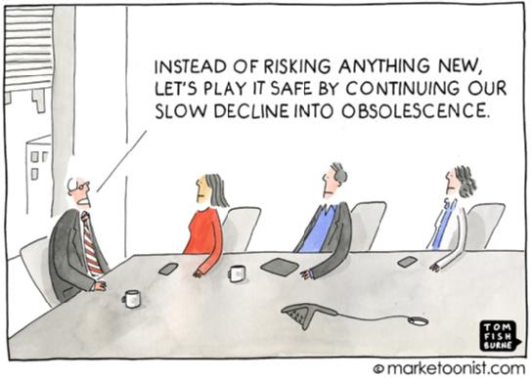
Above Image courtesy of the marketoonist.com – Tom Fishburne
Image related to digital transformation: The Economist – the onrushing wave
I was sitting outside in the garden during Ascension Day, which is (still) a national holiday in the Netherlands (Thanks God). It was again nice and warm, and it made me think about the parallels between Global warming and PLM.
 Climate change has always been there if we look at the history of our planet. We started to talk about Global Warming when scientist indicated that this time the climate change is caused by human intervention. As a result of vast amounts of carbon dioxide emissions, a greenhouse effect started to become visible. When the first rumors came that global warming began to come up, environmentalists started preaching we have to act NOW before it is too late. Meanwhile at the other side, people began arguing that it was just a coincidence, an opinion.
There is no scientific proof, so why worry?
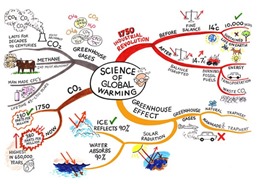 In the past ten years, the signs and proofs of global warming have become evident and climate conferences filled with people who want to act and on the other side the blockers, try to create progress in the battle against global warming. In particular in Europe governments and companies are starting to become aware that they can contribute to a more sustainable society.
Not enough according to the environmentalists and scientists. As our brains still operate mostly in a prehistoric mode (day-to-day survival, food, home, social status), slow changes and sustainability for next generations are not part of most people concerns. And those people, who make us aware of this lack of priority for sustainability, are considered annoying as they disrupt our lives.
Companies that have invested (heavily) in sustainable business models often have a challenging path to survive against traditional businesses. As the majority of consumers wants cheap. Some examples:
- Energy: most power plants are heated by burning coal as this is the cheapest option. Shale gas winning became attractive because we need cheap fuel. Alternatives like solar, wind and others cannot compete on price level as long as we do not pay for the damage to nature.
- Food: produced in bio-farms, where animal wellness or health is not part of the plan. The goal is to deliver xx kilos of meat for the lowest price. Alternative like more natural ways of growing meat or even revolutionary ways (the grown hamburger) cannot compete on price currently unless we are willing to pay for it.
- The Fashion industry where down in its supply chains human beings are treated like slaves. When you buy a cheap garment, you know somebody has been suffering.
Governments sometimes subsidize or push sustainable technologies as they realize that something has to happen (most of the time for the public opinion – their voters) but there is no consistent strategy as liberals believe every form of support is against open competition. And as long as we let our prehistoric brain run our choices, the earth gets warmer with the consequences being visible more and more.
We know we have to act, but we do not act seriously
Now let´s switch to PLM. The association started when I saw Chad Jackson’s retweet from Lifecycle insights related to top PLM challenges.
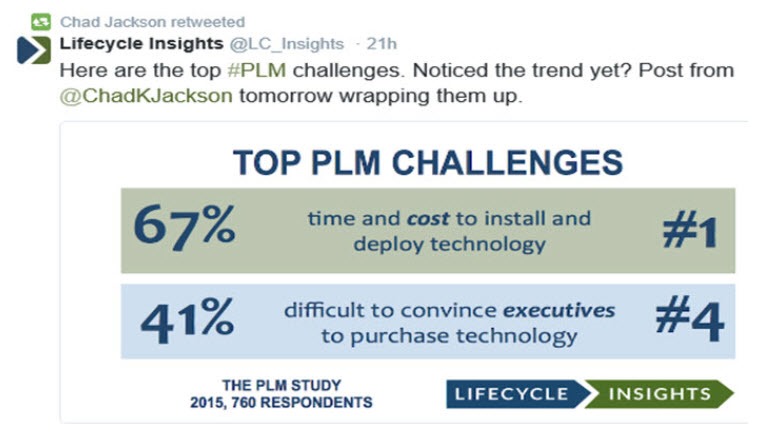
Clearly the message illustrates that costs, time, and technology have priority. Not about what PLM really can establish (even in the context of global warming).
 PLM started end of the previous century, initially invented by some of the major CAD vendors, Dassault Systemes, PTC, and Siemens. Five years later it was taken more seriously, as also enterprise software vendors, like SAP and Oracle, started to work on their PLM offering. And some years ago even the most skeptic company related to PLM, Autodesk, began to sell a PLM offering.
So like global warming we can conclude: PLM is recognized, and now we can act.
The early adopters of PLM are also in a challenging situation. Their first PLM implementations were very much focused on an IT-infrastructure, allowing data to flow through a global organization, without disrupting the day-to-day business model too much. These implementations are now a burden to many of them: costly and almost impossible to change. Look at the PLM stories from some of the major automotive companies, like Daimler, JLR, PSA, Renault, , Volvo Cars and more.
 They are all somehow kept hostage by their old implementations (as business continues) however due to changing ownership, business models and technology they cannot benefit from modern PLM concepts as it would be a disruption.
Meanwhile, PLM has evolved from an IT-infrastructure into a business-driven approach to support global, more flexible and customer-driven business processes. Younger companies that are now starting in Asia do not suffer from this legacy and are faster established based on the know-how from the early adopters.
And this is not only happing in the automotive industry. In the recent years, I have seen examples in the Oil & Gas industry, the High-Tech industry (which in theory is relative young) and the Manufacturing industry.
 Coming back to the 2015 PLM challenges tweeted by Chad Jackson, it looks like they are related to time and costs. Obviously it is not clear what values PLM can bring to a company outside efficiency gains (ERP/Lean thinking). Modern PLM allows companies to change their business model as I wrote recently: From a linear to fast and circular. No longer is the PLM mission to support companies with product information from cradle to grave but from cradle to cradle. Sustainability and becoming connected to customers are new demands: Operational services instead of selling products, linking it with the need for IoT to understand what is happening.
In the 2015 PLM, the discussion with executives is about purchasing technology instead of the need to change our business for long-term survival. Most investors do not like long-term visions as their prehistoric brains are tuned to be satisfied in the short-term.
 Therefore, as long as the discussion about PLM is about IT and infrastructure and not about business change, there will be this stall, identical to what happens with addressing global warming. Short term results are expected by the stakeholders, trying to keep up the current model. Strategists and business experts are all talking about the new upcoming digital era, similar to global warming.
We know we have to act, but we do not act seriously
When I posted a short version of this post on LinkedIn on Ascension Day, I got some excellent feedback which I want to share here:
Dieter de Vroomen (independent advisor, interim manager & neighbor) wrote me an email. Dieter does not have a PLM-twisted brain. Therefore I like his opinion:
PLM and Global Warming are both assumptions, mental constructs that we can make plausible with technology and data. Both mindsets save us from disasters through the use of technology. And that’s what both sell. But is that what they produce, what we want? Apple and associates think vice versa, making what first we want and explain later the underlying technology. I miss that with global warming, but certainly PLM. That’s why it sells so bad CxO’s.
I think the point Dieter is making is interesting as he is a non-PLM guy -showing the way CxO might be thinking. As long as we (PLMers) do not offer a packaged solution, an end-to-end experience, it is hard to convince the C-level. This is one of the significant differences between ERP (its purpose is clearly is tangible) and PLM (see my post PLM at risk! It does not have a clear target).
A more motivating comment came from Ben Muis, consultant and entrepreneur in the fashion industry. We met at the PI Apparel 2013 conference, and I like his passion for bringing innovation to the fashion industry. Read his full comments on my post on LinkedIn as he combined in his career sustainability and PLM. Two quotes from Ben:
As you may know I did quite a bit of work on how the fashion industry could and should be more sustainable in its approach. This was at a time where only a handful of people at best were willing to even think about this. Knowing that in reality the decisions around cost and commercialism were driving the agenda, I drew the conclusion that by improving processes within the industry I could actually cause a sustainability improvement that was driven by commercial desire.
Explaining how you can become involved in the bigger picture and for Ben it is the possibility to keep on working on his passion in a real-time world. And finally:
So there you have it… my reasons for initially thinking your title was very close to the reason I shifted my focus from pure sustainability advice to PLM implementations to begin with. I could drive a real result much quicker. This, as I am sure you will agree, in itself supports the reason for taking PLM seriously
My conclusion:
The topics PLM and Global Warming have a lot in common. The awareness exists. However when it comes to action, we are blocked by our prehistoric brain, thinking about short term benefits. This will not change in the next 1000 years. Therefore, we need organizations and individuals that against all odds take the steep path and have a vision of change, breaking the old models and silos. It will cost money, it will require a sacrifice and the reward will only be noticed by next generations. What a shame
A final quote before going back to standard PLM matter in upcoming posts:
“Everything is theoretically impossible, until it is done.”
Robert A. Heinlein
Mindmap image courtesy of www.mindmapart.com – Jane Genovese
 A PLM-twisted mind never rests. Not even during these Xmas seasonal holidays, when everything else comes to rest. The dark Christmas days, here in the Netherlands, are the days to share with your family and with others who need your support. For a short time, we focus on being kind, charity and what matters for humanity.
Back to our purpose you might say. This year Pope Francis brought this message very aptly to his cardinals – read it here if you have not heard about it yet.
Next my PLM-twisted mind started ringing all kind of Xmas bells. The pope is talking about PLM! Instead of focusing on your business silo, your personal kingdom, we have to focus on what is the original purpose of our company, not of the individual person. Forget politics, back to the mission !
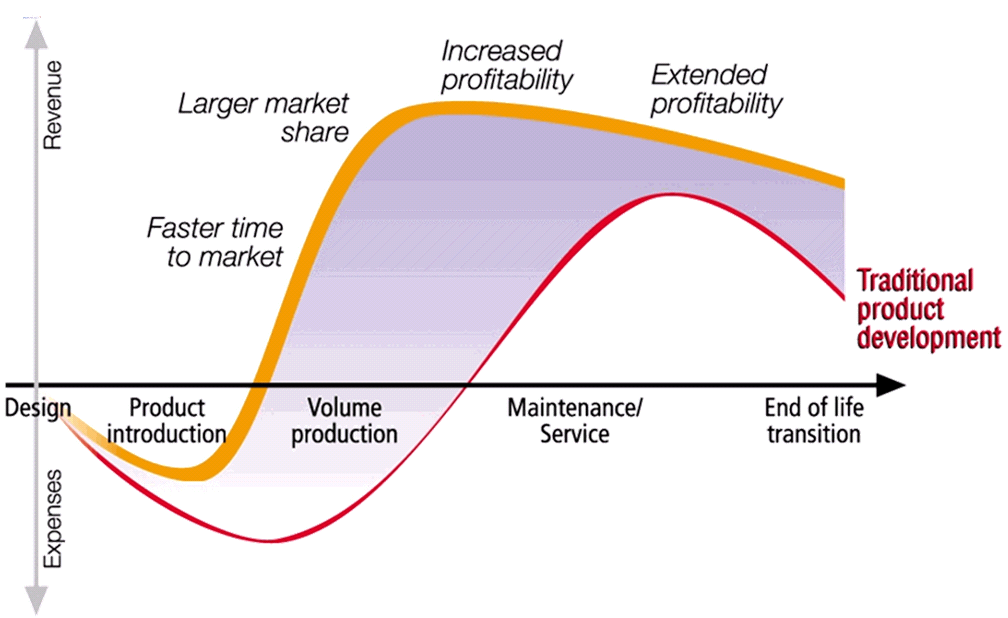
Then I realized there is a paradox within PLM. PLM is a must-have or must-do in a capitalistic world as through PLM companies can become be more competitive than others, win market share and become the market leader.
Nothing social. It is the base for survival in this global world. When your company is not funded by the government, you have to be competitive to survive. Your business needs to make enough money to keep on innovating and stay in business. This is why companies need PLM..
 The paradox however is that effective PLM implementations are all based on the concept of sharing. Sharing data in the early ideation phases, through crowd-sourcing, open innovation, internal sharing with partners and potential customers. Next the development, delivery and maintenance phases of the lifecycle are all performing in an ideal way if information is shared and flowing across the value chain without being locked in silos. The current hype of IoT (Internet of Things) is about sharing data.
So to be a successful, profitable company, inside your business you need to go back to the roots of sharing (data). Interesting paradox isn’t it?
Therefore, I wish you all to have a PLM Pope in your company who will explain the mission and break down the holy houses. You need a PLM pope in your company to make sure it gets implemented successful.
I wish you all a happy and successful 2015
with a lot of sharing
p.s. Should I see a shrink for my PLM-twisted brain?
Shaping the PLM platform of the Future
 In this post my observations from the PDT 2014 Europe conference which was hosted in the Microsoft Conference center in Paris and organized by Eurostep and CIMdata.
It was the first time I attended this event. I was positively surprised about the audience and content. Where other PLM conferences were often more focusing on current business issues, here a smaller audience (130 persons) was looking into more details around the future of PLM. Themes like PLM platforms, the Circular Economy, Open Standards and longevity of data were presented and discussed here.
The emergence of the PLM platform
 Pieter Bilello from CIMdata kicked off with his presentation: The emergence of the PLM platform. Peter explained we have to rethink our PLM strategy for two main reasons:
1. The product lifecycle will become more and more circular due to changing business models and in parallel the different usage/availability of materials will have an impact how we design and deliver products
2. The change towards digital platforms at the heart of our economy (The Digital Revolution as I wrote about also in previous posts) will impact organizations dramatically.
Can current processes and tools support today’s complexity. And what about tomorrow? According to a CIMdata survey there is a clear difference in profit and performance between leaders and followers, and the gap is increasing faster. “Can you afford yourself to be a follower ?” is a question companies should ask themselves.
Rethinking PLM platform does not bring the 2-3 % efficiency benefit but can bring benefits from 20 % and more.
Peter sees a federated platform as a must for companies to survive. I in particular likes his statement:
The new business platform paradigm is one in which solutions from multiple providers must be seamlessly deployed using a resilient architecture that can withstand rapid changes in business functions and delivery modalities
Industry voices on the Future PLM platform
Auto
 Steven Vetterman from ProSTEP talked about PLM in the automotive industry. Steven started describing the change in the automotive industry, by quoting Heraclitus Τα πάντα ρεί – the only constant is change. Steven described two major changes in the automotive industry:
1. The effect of globalization, technology and laws & ecology
2. The change of the role of IT and the impact of culture & collaboration
Interesting observation is that the preferred automotive market will shift to the BRIC countries. In 2050 more than 50 % of the world population (estimate almost 10 billion people at that time) will be living in Asia, 25 percent in Africa. Europe and Japan are aging. They will not invest in new cars.
For Steven, it was clear that current automotive companies are not yet organized to support and integrate modern technologies (systems engineering / electrical / software) beyond mechanical designs. Neither are they open for a true global collaboration between all players in the industry. Some of the big automotive companies are still struggling with their rigid PLM implementation. There is a need for open PLM, not driven from a single PLM system, but based on a federated environment of information.
Aero
Yves Baudier spoke on behalf of the aerospace industry about the standardization effort at their Strategic Standardization Group around Airbus and some of its strategic suppliers, like Thales, Safran, BAE systems and more. If you look at the ASD Radar, you might get a feeling for the complexity of standards that exist and are relevant for the Airbus group.
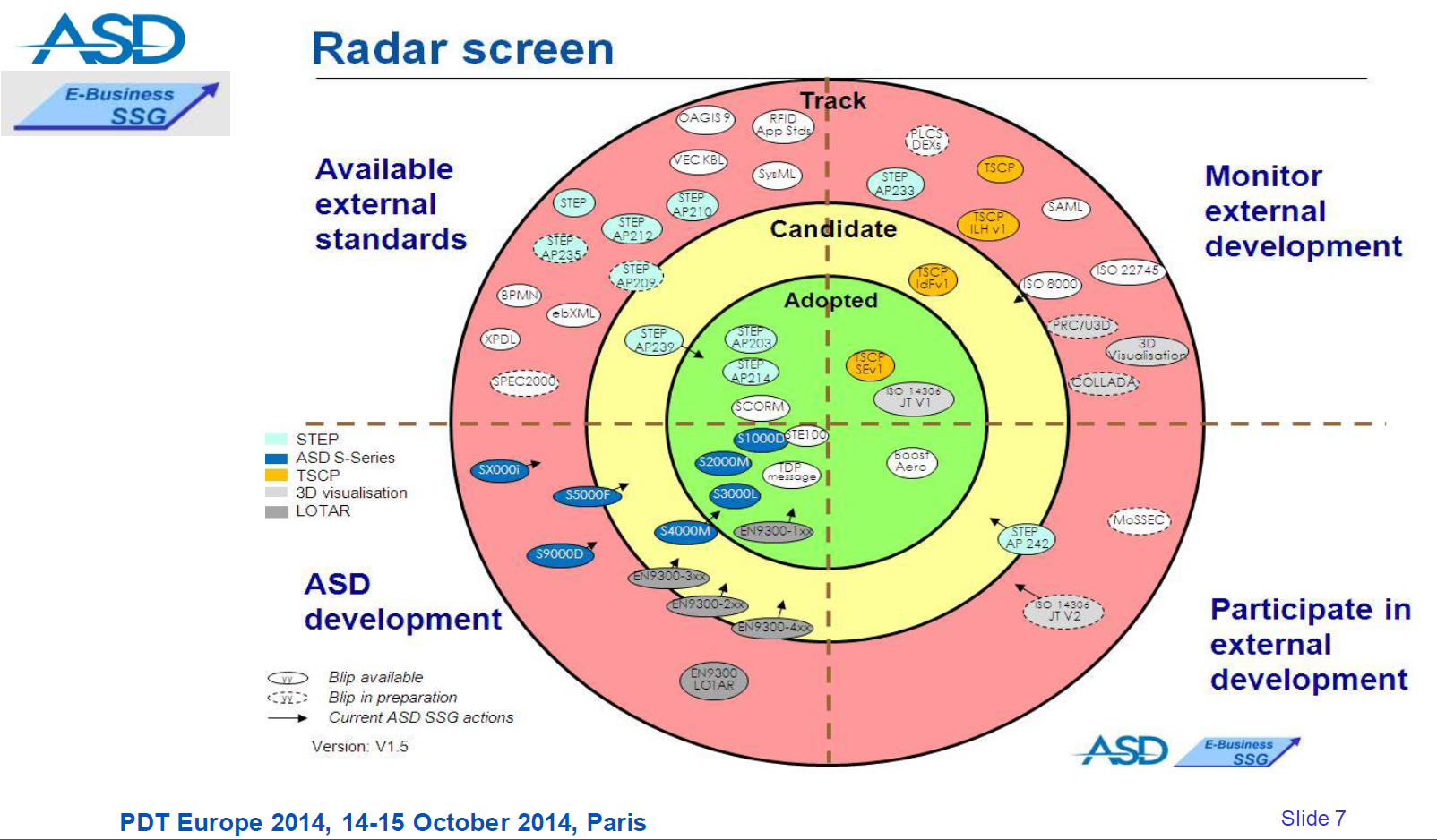
It is a complex network of evolving standard all providing (future) benefits in some domains. Yves was talking about the through Lifecycle support which is striving for data creation once and reuse many times during the lifecycle. The conclusion from Yves, like all the previous speakers is that: The PLM Platform of the Future will be federative, and standards will enable PLM Interoperability
Energy and Marine
 Shefali Arora from Wärtsilä spoke on behalf of the energy and marine sector and gave an overview of the current trends in their business and the role of PLM in Wärtsilä. With PLM, Wärtsilä wants to capitalize on its knowledge, drive costs down and above all improve business agility. As the future is in flexibility. Shefali gave an overview of their PLM roadmap covering the aspects of PDM (with Teamcenter), ERP (SAP) and a PLM backbone (Share-A-space). The PLM backbone providing connectivity of data between all lifecycle stages and external partners (customer / suppliers) based on the PLCS standard. Again another session demonstrating the future of PLM is in an open and federated environment
Intermediate conclusion:
The future PLM platform is a federated platform which adheres to standards provides openness of interfaces that permit the platform to be reliable over multiple upgrade cycles and being able to integrate third-parties (Peter Bilello)
Systems Engineering
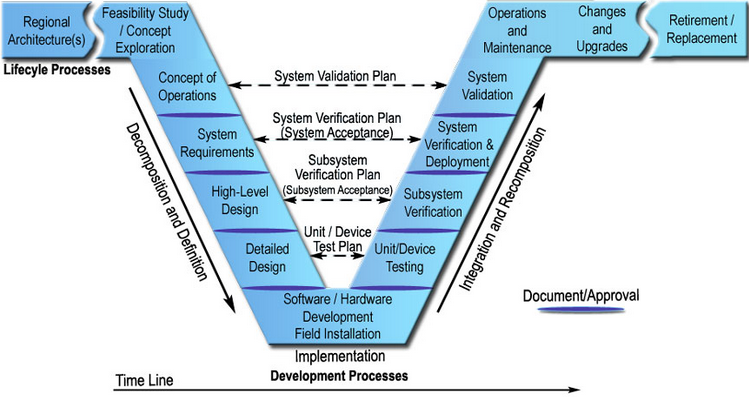 The afternoon session I followed the Systems Engineering track. Peter Bilello gave an overview of Model-Based Systems engineering and illustrated based on a CIMdata survey that even though many companies have a systems engineering strategy in place it is not applied consistently. And indeed several companies I have been dealing with recently expressed their desire to integrate systems engineering into their overall product development strategy. Often this approach is confused by believing requirements management and product development equal systems engineering. Still a way to go.
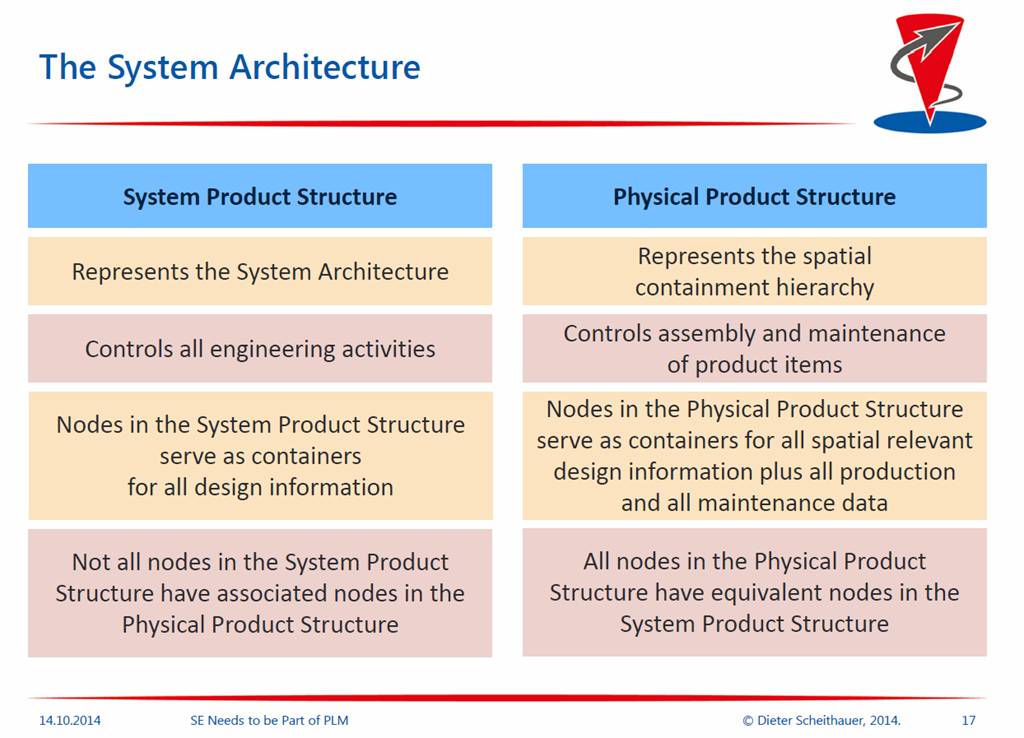
Dieter Scheithauer presented his vision that Systems Engineering should be a part of PLM, and he gave a very decent, academic overview how all is related. Important for companies that want to go into that direction, you need to understand where you aiming at. I liked his comparison of a system product structure and a physical product structure, helping companies to grab the difference between a virtual, system view and a physical product view:
More Industry voices
Construction industry
 The afternoon session started with Christophe Castaing, explaining BIM (Building Information Modeling) and the typical characteristics of the construction industry. Although many construction companies focus on the construction phase, for 100 pieces of information/exchange to be managed during the full life cycle only 5 will be managed during the initial design phase (BIM), 20 will be managed during the construction phase (BAM) and finally 75 will be managed during the operation phase (BOOM). I wrote about PLM and BIM last year: Will 2014 become the year the construction industry will discover PLM?
Christophe presented the themes from the French MINnD project, where the aim is starting from an Information Model to come to a platform, supporting and integrated with the particular civil and construction standards, like IFC. CityGml but also PLCS standard (isostep ISO 10303-239
Consumer Products
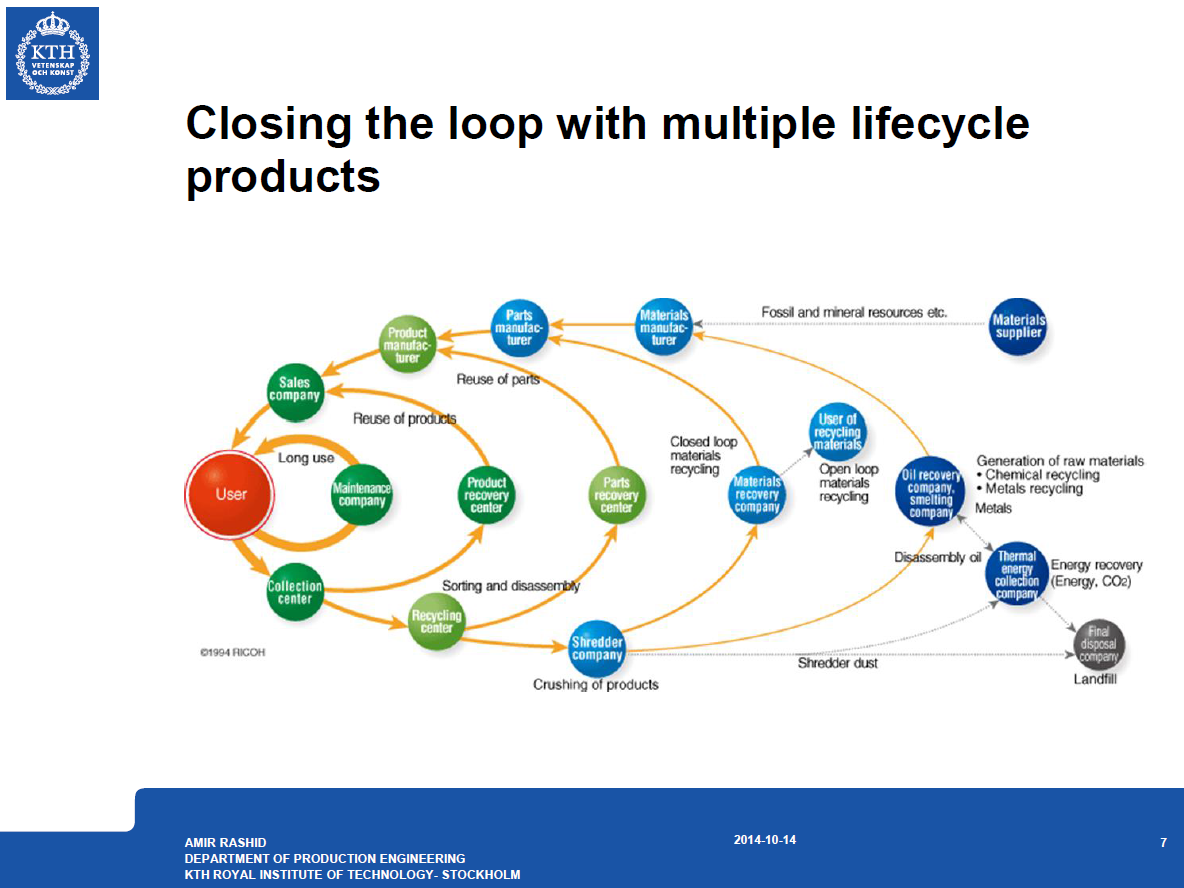
Amir Rashid described the need for PLM in the consumer product markets stating the circular economy as one of the main drivers. Especially in consumer markets, product waste can be extremely high due to the short lifetime of the product and everything is scrapped to land waste afterward. Interesting quote from Amir: Sustainability’s goal is to create possibilities not to limit options. He illustrated how Xerox already has sustainability as part of their product development since 1984. The diagram below demonstrates how the circular economy can impact all business today when well-orchestrated.
 Marc Halpern closed the tracks with his presentation around Product Innovation Platforms, describing how Product Design and PLM might evolve in the upcoming digital era. Gartner believes that future PLM platforms will provide insight (understand and analyze Big Data), Adaptability (flexible to integrate and maintain through an open service oriented architecture), promoting reuse (identifying similarity based on metadata and geometry), discovery (the integration of search analysis and simulation) and finally community (using the social paradigm).
If you look to current PLM systems, most of them are far from this definition, and if you support Gartner’s vision, there is still a lot of work for PLM vendor to do.
Interesting Marc also identified five significant risks that could delay or prevent from implementing this vision:
- inadequate openness (pushing back open collaboration)
- incomplete standards (blocking implementation of openness)
- uncertain cloud performance (the future is in cloud services)
- the steep learning curve (it is a big mind shift for companies)
- Cyber-terrorism (where is your data safe?)
After Marc´s session there was an interesting panel discussion with some the speakers from that day, briefly answering discussing questions from the audience. As the presentations have been fairly technical, it was logical that the first question that came up was: What about change management?
A topic that could fill the rest of the week but the PDT dinner was waiting – a good place to network and digest the day.
DAY 2
 Day 2 started with two interesting topics. The first presentation was a joined presentation from Max Fouache (IBM) and Jean-Bernard Hentz (Airbus – CAD/CAM/PDM R&T and IT Backbones). The topic was about the obsolescence of information systems: Hardware and PLM applications. As in the aerospace industry some data needs to be available for 75 years. You can imagine that during 75 years a lot can change to hardware and software systems. At Airbus, there are currently 2500 applications, provided by approximate 600 suppliers that need to be maintained. IBM and Airbus presented a Proof of Concept done with virtualization of different platforms supporting CATIA V4/V5 using Linux, Windows XP, W7, W8 which is just a small part of all the data.
The conclusion from this session was:
To benefit from PLM of the future, the PLM of the past has to be managed. Migration is not the only answer. Look for solutions that exist to mitigate risks and reduce costs of PLM Obsolescence. Usage and compliance to Standards is crucial.
Standards
Next Howard Mason, Corporate Information Standards Manager took us on a nice journey through the history of standards developed in his business. I loved his statement: Interoperability is a right, not a privilege
 In the systems engineering track Kent Freeland talked about Nuclear Knowledge Management and CM in Systems Engineering. As this is one of my favorite domains, we had a good discussion on the need for pro-active Knowledge Management, which somehow implies a CM approach through the whole lifecycle of a plant. Knowledge management is not equal to store information in a central place. It is about building and providing data in context that it can be used.
Ontology for systems engineering
Leo van Ruijven provided a session for insiders: An ontology for Systems Engineering based on ISO 15926-11. His simplified approach compared to the ISO 15288 lead to several discussion between supporters and opponents during lunch time.
Master Data Management
 After lunch time Marc Halpern gave his perspective on Master Data Management, a new buzz-word or discipline need to orchestrate enterprise collaboration.
Based on the type of information companies want to manage in relation to each other supported by various applications (PLM, ERP, MES, MRO, …) this can be a complex exercise and Marc ended with recommendations and an action plan for the MDM lead. In my customer engagements I also see more and more the digital transformation leads to MDM questions. Can we replace Excel files by mastered data in a database?
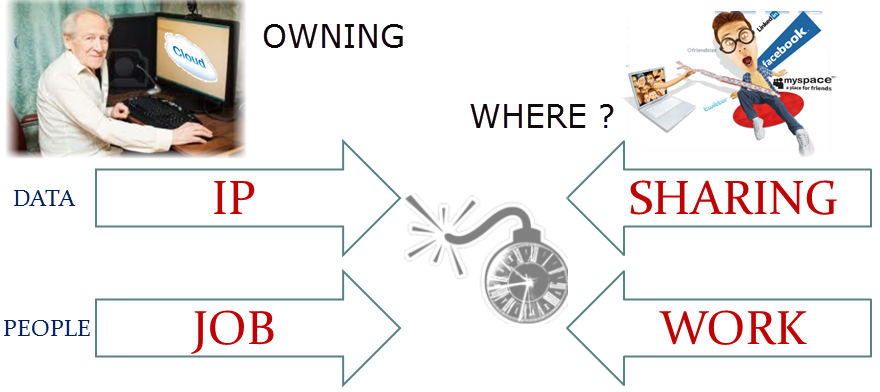
Almost at the end of the day I was speaking about the PDM platform of the people targeted for the people from the future. Here I highlighted the fundamental change in skills that’s upcoming. Where my generation was trained to own and capture information as much as possible information in your brain (or cabinet), future generations are trained and skilled in finding data and building information out of it. Owning (information) is not crucial for them. Perhaps as the world is moving fast. See this nice YouTube movie at the end.

Ella Jamsin ended the conference on behalf of the Ellen MacArthur Foundation explaining the need to move to a circular economy and the PLM should play a role in that. No longer is PLM from cradle-to-grave but PLM should support the lifecycle from cradle-to-cradle.
Unfortunate I could not attend all sessions as there were several parallel sessions. Neither have I written about all sessions I attended. The PDT Europe conference, a conference for people who mind about the details around the PLM future concepts and the usage of standards, is a must for future strategists.
 Business is changing and becoming digital as you might have noticed. If you haven´t noticed it, you might be disconnected from the world or work in a stable silo. A little bit simplified and provocative otherwise you would not read further.
The change towards digital also has its effect on how PLM is evolving. Initially considered as an extension of PDM, managing engineering data, slowly evolving to an infrastructure to support the whole product lifecycle.
The benefits from a real PLM infrastructure are extremely high as it allows people to work smarter, identify issues earlier and change from being reactive towards proactive. In some industries, this change in working is they only way to stay in business. Others with still enough margin will not act.
Note: I am talking about a PLM infrastructure as I do not believe in a single PLM system anymore. For me PLM is supported through a collection of services across the whole product lifecycle, many potentially in one system or platform.
Changing from an engineering-centric system towards an infrastructure across the departmental silos is the biggest challenge for PLM. PLM vendors and ERP vendors with a PLM offering are trying provide this infrastructure and mainly fight against Excel. As an Excel file can easy pass the border from one department to the other. No vision needed for Excel.
A PLM infrastructure however requires a vision. A company has to look at its core business processes and decide on which information flows through the organization or even better their whole value chain.
Building this vision, understanding this vision and then being able to explain the vision is a challenge for all companies. Where sometime even management says
“Why do we need to have a vision, just fix the problem”
also people working in departments are not looking forward to change their daily routines because they need to share information. Here you here statements like
“Why people feel the need to look at the big picture. I want to have my work done.”
So if current businesses do not change, will there be a change?
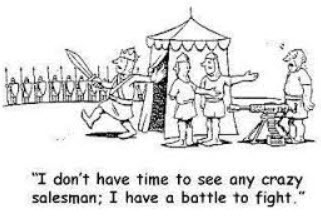
Here I see the digital world combined with search-based applications coming up. Search based applications allow companies to index their silos and external sources and get an understanding of the amount of data there exists. And from these results learn that there is a lot of duplicated data or invalid information at different places.
This awareness might create the understanding that if instead of having hundred thousands of Excels in the organization, it would be better to have the data inside a database, uniquely stored and connected to other relevant information.
I have described this process in my past three posts and agreed the context remains complex if you are not involved or interested in it.
To grasp this concept first of all, you need to have the will to understand it. There is a lot of strategic information out there from companies like Accenture, Capgemini and more.
Next if you want to understand it in a more down-to-earth manner it is important to listen and talk with your peers from other companies, other industries. This is currently happening all around the world and I invite you to participate.
Here is a list of events that I am attending or planned to attend but too far away:
October 7th Stockholm – ENOVIA user conference
 Here I will participate as a panel member in the discussion around the concept of zero files. Here we want to explain and discuss to the audience what a data-centric approach means for an organization. Also, customers will share their experiences. This conference is focusing on the ENOVIA community – you can still register here
October 14th-15th Paris – Product Data Technology 2014 conference
 Here I will speak about the PLM future (based on data) and what PLM should deliver for the future generations. This conference is much broader and addresses all PLM related topics in a broader perspective
October 28 Product Innovation conference in San Diego
 I have always enjoyed participating to this conference as like the PDT2014 it brings people together for networking and discussions. Mostly on business topics not on IT-issues.
November 26 Infuseit seminar in Copenhagen
 Relative new in the Nordics Infuseit, a PLM consultancy company, is able to attract an audience that wants to work on understanding the PLM future. Instead of listening to presenters, here you are challenged to to discuss and contribute to build a common opinion. I will be there too.
Conclusion: It is time to prepare yourself for the change – it is happening and be educated an investment that will be rewarding for your company
What do you think – Is data-centric a dream ?
Two weeks ago I attended the Nobletek PLM forum in Belgium, where a group of experts, managers and users discussed topics related to my favorite theme: “Is PLM changing? “
Dick Terleth (ADSE) lead a discussion with title “PLM and Configuration Management as a proper profession” or "How can the little man grow?". The context of the discussion was related to the topic: “How is it possible that the benefits of PLM (and Configuration Management) are not understood at C-level?” or with other words: “Why is the value for Configuration Management and PLM not obvious?”.
In my previous post, PLM is doomed unless …., I quoted Ed Lopategui (www.eng-eng.com), who commented that being a PLM champion (or a Configuration Management expert as Dick Terleth would add) is bad for your career. Dick Terleth asked the same question, showing pictures of the self-assured accountant and the Configuration Management or PLM professional. (Thanks Dick for the pictures). Which job would you prefer?

The PLM ROI discussion
 A first attempt to understand the difference could be related to the ROI discussion, which seems to be only applicable for PLM. Apparently ERP and financial management systems are a must for companies. No ROI discussion here. Persons who can control/report the numbers seem to have the company under control. For the CEO and CFO the value of PLM is often unclear. And to make it worse, PLM vendors and implementers are fighting for their unique definition of PLM so we cannot blame companies to be confused. This makes it clear that if you haven´t invested significant time to understand PLM, it will be hard to see the big picture. And at C-level people do not invest significant time to understand the topic. It is the C-level´s education, background or work experience that make him/her decide.
So if the C-level is not educated on PLM, somebody has to sell the value to them. Oleg Shilovitsky wrote about it recently in his post Why is it hard to sell PLM ROI and another respected blogger, Joe Barkai, sees the sun come up behind the cloud, in his latest post PLM Service Providers Ready To Deliver Greater Value. If you follow the posts of independent PLM bloggers (although who is 100 % independent), you will see a common understanding that implementing PLM currently requires a business transformation as old processes were not designed for a modern infrastructure and digital capabilities.
PLM is about (changing) business processes
 Back to the Nobletek PLM forum. Douglas Noordhoorn, the moderator of the forum challenged the audience stating that PLM has always been there (or not there – if you haven´t discovered it). It is all about managing the product development processes in a secure way. Not talking about “Best Practices” but “Good practices." Those who had a proper education in the aerospace industry learned that good processes are crucial to deliver planes that can fly and are reliable.
Of course, the aerospace industry is not the same as other industries. However, more and more other industries in my network, like Nuclear new build, the construction industry or other Engineering, Procurement and Construction companies want to learn from aerospace and automotive good practices. They realize they are losing market share due to the fact that the cost of failure combined with relative high labor costs makes them too expensive. But from where to they get their proper good practices education?
The PLM professional?
 And this was an interesting point coming up from the Nobletek forum. There is no proper, product agnostic education for PLM (anymore). If you study logistics, you will learn a lot about various processes and how they can be optimized for a certain scenario. When you study engineering, there is a lot of focus on engineering disciplines and methods. But there is no time to educate engineers in-depth to understand the whole product development process and how to control it. Sometimes I give a guest lecture to engineering classes. It is never an important part of the education.
To become a PLM professional
 For those who never had any education in standard engineering processes, there is Frank Watts Engineering control book, which probably would be a good base. But it is not the PLM professional only that should be aware, of the good practices. Moreover, all companies manufacturing products, plants or buildings should learn these basics. As a side step, it would make a discussion around BIM more clear. At this time, manufacturing companies are every time discovering their good practices in the hard way.
And when this education exists, companies will be aware that it is not only about the tools, but it is the way the information is flowing through the organization. Even there is a chance that somewhere at C-level someone has been educated and understands the value. For ERP everyone agrees. For PLM, it remains a labyrinth of processes designed by companies learning on the job currently. Vendors and implementers pushing what they have learned. Engineering is often considered as a hard-to-manage discipline. As a SAP country manager once said to me: “Engineers are actually resources that do not want be managed, but we will get them …..”
And then the future ……
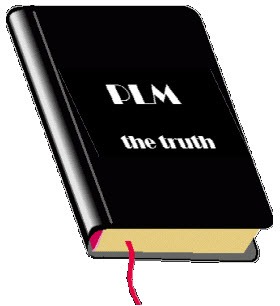 I support the demand for a better education in engineering processes especially for industries outside aerospace or automotive. I doubt if it will have a significant impact although it might create the visibility and understanding for PLM at C-level. No need anymore for the lone ranger who fights for PLM. Companies will have better educated people that understand the need for good practices that exist. These good practices will be the base for companies when discussing with PLM vendors and implementers. Instead of vendors and implementers pushing their vision, you can articulate, and follow your vision.
However, we need a new standard book too. We are currently in the middle of a big change. Thanks to modern technology and connectivity the world is changing. I wrote and spoke about it in: Did you notice PLM is changing?
 This is a change of generations and concepts which have not been foreseen by Frank Watts and others. What will be the new standard for data-centric companies instead of document based control?
The digital revolution is here (Industry 4.0), and here (digital revolution), and here (the third industrial revolution).
This awareness needs to become visible at C-level.
Who will educate them ??

Now back to soccer – 4 years ago Spain-The Netherlands was the last match – the final. Now it is the first match for them – will the Dutch change the game ?
 Jos Voskuil's Weblog
Interesting reflection, Jos. In my experience, the situation you describe is very recognizable. At the company where I work, sustainability…
[…] (The following post from PLM Green Global Alliance cofounder Jos Voskuil first appeared in his European PLM-focused blog HERE.) […]
[…] recent discussions in the PLM ecosystem, including PSC Transition Technologies (EcoPLM), CIMPA PLM services (LCA), and the Design for…
Jos, all interesting and relevant. There are additional elements to be mentioned and Ontologies seem to be one of the…
Jos, as usual, you've provided a buffet of "food for thought". Where do you see AI being trained by a…