
 Sorry for the provoking title in a PLM blog, but otherwise you would not read my post till the end.
In the past months I have been working closely with several large companies (not having a mid-market profile). And although they were all in different industries and have different business strategies, they still had these common questions and remarks:
- How to handle more and more digital data and use it as valuable information inside the company or for their customers / consumers ?
- What to do with legacy data (approved in the previous century) and legacy people (matured and graduated in the previous century) preventing them to change ?
- We are dreaming of a new future, where information is always up-to-date and easy to access – will this ever happen ?
- They are in the automotive industry, manufacturing industry, infrastructure development and maintenance, plant engineering, construction and plant maintenance
- They all want data to be managed with (almost) zero effort
- And please, no revolution or change for the company
Although I have been focusing on the mid-market, it is these bigger enterprises that introduce new trends and as you can see from the observations above, there is a need for a change. But also it looks like the demands are in a contradiction to each other.
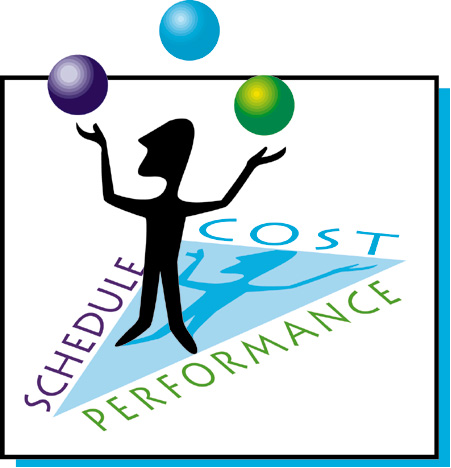
I believe it is just about changing the game.
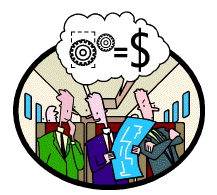
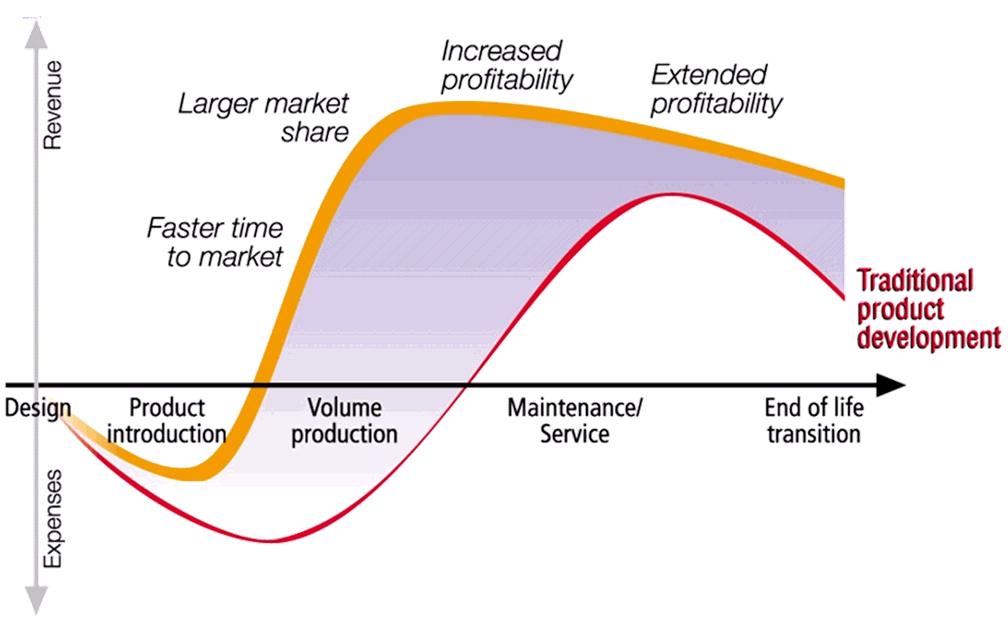
If you look at the picture to the left, you see one of the contradictions that lead to PLM.
Increasing product quality, reducing time to market and meanwhile reducing costs seemed to be a contradiction at that time too.
Change ?
Although PLM has not been implemented (yet) in every company that could benefit from it, it looks like the bigger enterprises are looking for more.
 the P from PLM becomes vague – it is no longer only the product that has the focus, it is also the whole context around the product that might influence it, that they want to take in consideration
the L from PLM remains – they still want to connect all information that is related to the lifecycle of their products or plants.
the M from Management has a bad association – companies believe that moving from their current state towards a managed environment of data is a burden. Too much overhead is the excuse to not manage dat. And their existing environments to manage data do not excel in user-friendliness. And therefore people jump towards using Excel.
Next
So if the P is not longer relevant, the M is a burden, what remains of PLM ?
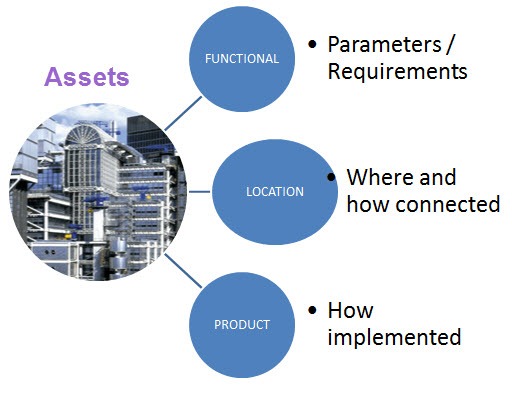
Early June I presented at the Dassault Systems 3DExperience forum the topic of digital Asset Lifecycle Management for owners / operators. One of the areas where I believe PLM systems can contribute a lot to increase business value and profitability (quality and revenue – see using a PLM system for Asset Lifecycle Management )
Attending the key note speech it was clear that Dassault Systems does not talk about PLM anymore as a vision. Their future dream is a (3D) lifelike experience of the virtual world. And based on that virtual model, implement the best solution based on various parameters: revenue, sustainability, safety and more. By trying to manage the virtual world you have the option to avoid real costly prototypes or damaging mistakes.
I believe it is an ambitious dream but it fits in the above observations. There is more beyond PLM.
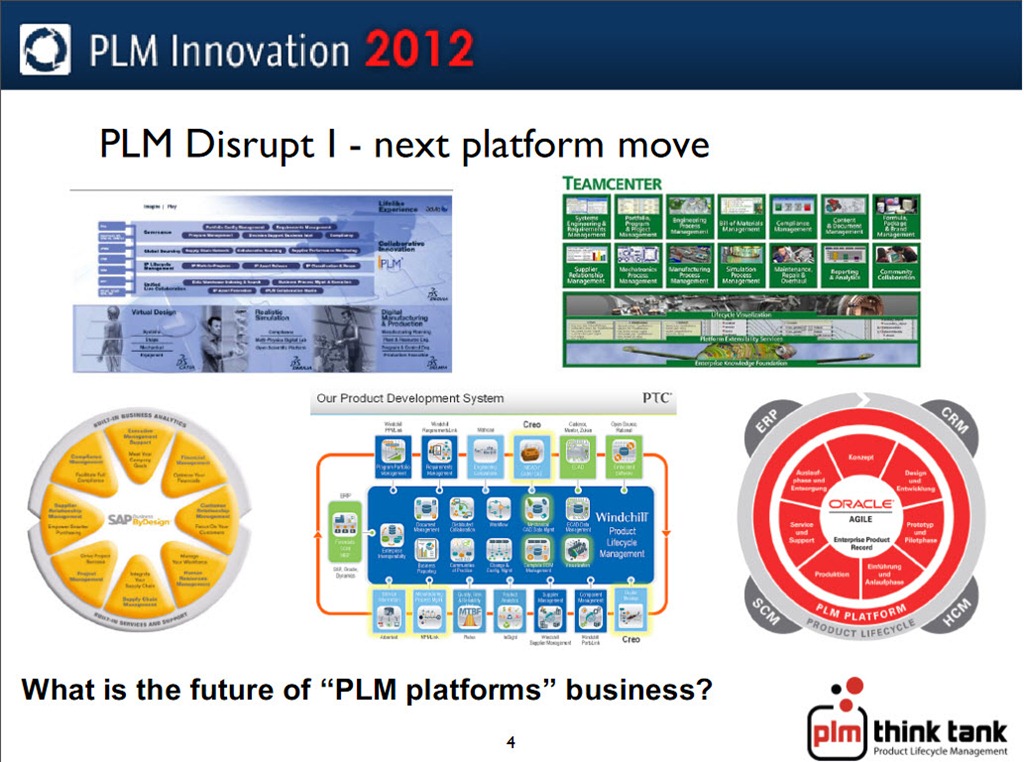
In addition I learned from talking with my peers (the corridor meetings) that also Siemens and PTC are moving towards a more industry or process oriented approach, trying to avoid the association with the generic PLM label.
Just at the time that Autodesk and the mid-market started to endorse PLM, the big three are moving away from this acronym.
This reminds me of what happened in the eighties when 3D CAD was introduced. At the time the mid-market was able to move to mainstream 3D (price / performance ratio changed dramatically) the major enterprises started to focus on PDM and PLM. So it is logical that the mid-market is 10 – 15 years behind new developments – they cannot afford experiments with new trends.
So let’s see what are the new trends:
- the management of structured and unstructured data as a single platform. We see the rise of Search Bases Application and business intelligence based on search and semantic algorithms. Using these capabilities integrated with a structured (PLM ? ) environment is the next big thing.
- Apps instead of generic applications that support many roles. The generic applications introduce such a complexity to the interface that they become hard to use by a casual user. Most enterprise systems, but also advanced CAD or simulation tools with thousands of options suffer from this complexity. Would not it be nice if you only had to work with a few dedicated apps as we do in our private life ?
- Dashboards (BI) that can be created on the
fly representing actual data and trends based
on structured and unstructured data.
It reminded me of a PLM / ERP discussion I had with a company, where the general manager all the time stated the types of dashboards he wanted to see. He did not talk about PLM, ERP or other systems – he wanted the on-line visibility - Cloud services are coming. Not necessary centralizing all data on the cloud to reduce it cost. But look at SIRE and other cloud services that support a user with data and remote processing power at the moment required.
- Visual navigation through a light 3D Model providing information when required. This trend is not so recent but so far not integrated with other disciplines, the Google maps approach for 3D.

So how likely are these trends to change enterprise systems like PLM, ERP or CRM. In the table below I indicated where it could apply:
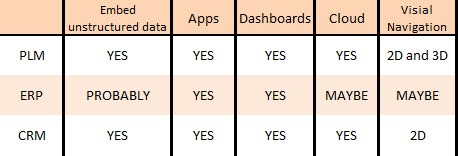
As you can see the PLM row has all the reasons to introduce new technologies and change the paradigm. For that reason combined with the observations I mentioned in the beginning, I am sure there is a new TLA (Three Letter Acronym) upcoming.
The good news is that PLM is dynamic and on the move. The bad news for potential PLM users is that the confusion remains – too many different PLM definitions and approaches currently – so what will be the next thing after PLM ?
Conclusion: The acronym PLM is not dead and becomes mainstream. On the high-end there is for sure a trend to a wider and different perspective of what was initially called PLM. After EDM, TDM, PDM and PLM we are waiting for the next TLA
















 Invention, the creation of a new idea that might be the golden egg for the future of a company. It is often the result of one or more individuals- not something a systematic approach or system will bring automatically. If you look how big companies handle with invention, you see that often they do not manage it. They look around the world for , or sometimes get approached by, startups that have a concept that fits to their portfolio and they buy the company and concept.






 Graeme Hackland




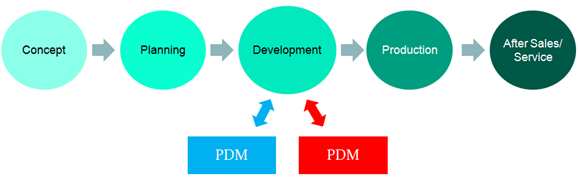







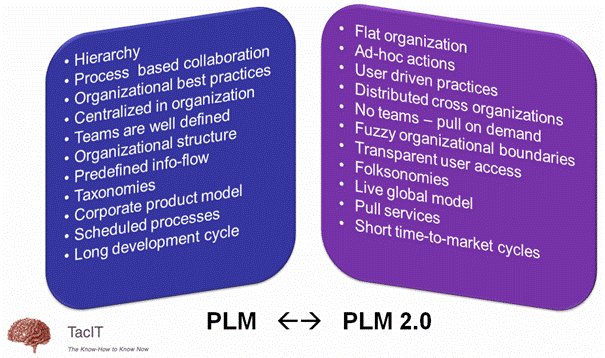

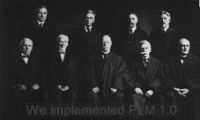 A huge investment has been done to structure and classify data with all its complexity. And now, new trends are coming up (PLM 2.0) and the question comes how to embrace this. The management and the thought leaders on the old PLM implementation are probably still in the company and they are reluctant to a big change, based on their previous experience and investment.
 If you look at enterprises that have been investing in PLM at later stage you will see a different focus. I call them modern because usually this type of industry does not exist as long as the classical industries. Here I think about the high-tech industry and new emerging industries like CPG and apparel, which do not have the classical CAD focus. Their investments in PLM technologies were in different areas. As their products and technology becomes much faster obsolete, the focus is on innovation, being first to market and being customer centric.
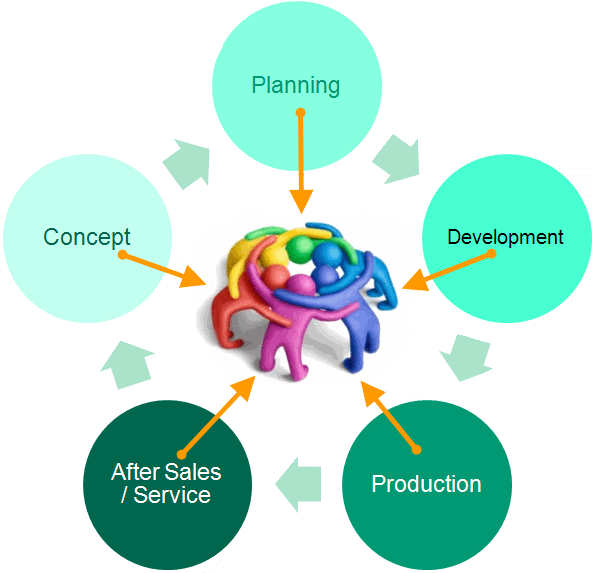
 So it is not necessary to have one overall PLM system. This makes the implementation more flexible and it also enables modern PLM concepts to be introduced in an earlier phase, like crowd-sourcing, consumer communities and more. Here the speed of adoption is very much depending on the management of these companies and the way they feel comfortable with these new concepts. But as it is also in their veins due to their products, there is hope they will adopt (or are already using it)
 The last type of company in this overview is the mid-market company. For me a mid-market company is a company that does not have a company-wide strategic department and a huge IT-environment to support company wide-systems. Mid-market companies have the same challenges as enterprise, they also operate more and more on a global base with design and manufacturing dislocated. However they solve their issues per department one by one. Prioritized where the pain is felt the most. This often leads to a seemingly fragmented approach, but it does not push for a big change in working methodology company-wide. Less change management to do for the management. Excel as a common interface, or sometimes the magic word XML and all is connected.
 Still not efficient using the concept of sharing product data through the whole product lifecycle. And here I see the opportunity for PLM 2.0 concepts to be implemented much faster. Mid-market companies exist and flourish due to their flexibility. Concepts like communities, cloud based collaboration tools are much easier to implement for them, once the company endorses them. One department starts and without a big IT-investment another department can join the cloud based solution. Sharing data (a must for PLM) becomes a logical choice as it is the next tool available. And I believe Autodesk is aiming at that direction and others (existing and new comers) might come in from here – online solutions that connect the enterprise data in a clever manner (don’t forget search based applications – see for an interesting discussion:
 Jos Voskuil's Weblog
Interesting reflection, Jos. In my experience, the situation you describe is very recognizable. At the company where I work, sustainability…
[…] (The following post from PLM Green Global Alliance cofounder Jos Voskuil first appeared in his European PLM-focused blog HERE.) […]
[…] recent discussions in the PLM ecosystem, including PSC Transition Technologies (EcoPLM), CIMPA PLM services (LCA), and the Design for…
Jos, all interesting and relevant. There are additional elements to be mentioned and Ontologies seem to be one of the…
Jos, as usual, you've provided a buffet of "food for thought". Where do you see AI being trained by a…