
You are currently browsing the tag archive for the ‘Modularity’ tag.
 Last week, I have been participating in the biannual NEM network meeting, this time hosted by Vestas in Ringkøbing (Denmark).
NEM (North European Modularization) is a network for industrial companies with a shared passion and drive for modular products and solutions.
NEM’s primary goal is to advance modular strategies by fostering collaboration, motivation, and mutual support among its diverse members.
 During this two-day conference, there were approximately 80 attendees from around 15 companies, all with a serious interest and experience in modularity. The conference reminded me of the CIMdata Roadmap/PDT conferences, where most of the time a core group of experts meet to share their experiences and struggles.
The discussions are so much different compared to a generic PLM or software vendor conference where you only hear (marketing) success stories.
Modularity
 When talking about modularity, many people will have Lego in mind, as with the Lego bricks, you can build all kinds of products without the need for special building blocks. In general, this is the concept of modularity.
With modularity, a company tries to reduce the amount of custom-made designs by dividing a product into modules with strict interfaces. Modularity aims to offer a wider variety of products to the customer – but configure these from a narrower assortment of modules to streamline manufacturing, sourcing and service. Modularity allows managing changes and new functionality within the modules without managing a new product.
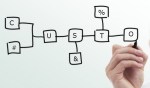 From ETO (Engineering To Order) to BTO (Build To Order) or even CTO (Configure to Order) is a statement often heard when companies are investing in a new PLM system. The idea is that with the CTO model, you reduce the engineering costs and risks for new orders.
With modularity, you can address more variants and options without investing in additional engineering efforts.
How the PLM system supports modularity is an often-heard question. How do you manage in the best way options and variants? The main issue here is that modularity is often considered an R&D effort – R&D must build the modular architecture. An R&D-only focus is a common mistake in the field similar to PLM. Both
 PLM and Modularity suffer from the framing that it is about R&D and their tools, whereas in reality, PLM and Modularity are strategies concerning all departments in an enterprise, from sales & marketing, engineering, and manufacturing to customer service.
PLM and Modularity
 In 2021, I discussed the topic of Modularity with Björn Eriksson & Daniel Strandhammar, who had written during the COVID-19 pandemic their easy-to-read book: The Modular Way. In a blog post, PLM and Modularity, I discussed with Daniel the touchpoints with PLM. A little later, we had a Zoom discussion with Bjorn and Daniel, together with some of the readers of the book. You can find the info still here: The Modular Way – a follow-up discussion.
What was clear to me at that time is that, in particular, Sweden is a leading country when it comes to Modularity. Companies like Scania, Electrolux are known for their product modularity.
For me it was great to learn the Vestas modularization journey. For sure the Scandinavian region sets the tone. And in addition, there are LEGO and IKEA, also famous Scandinavian companies, but with other modularity concepts.
 The exciting part of the conference was that all the significant modularity players were present. Hosted by Vestas and with a keynote speech from Leif Östling, a former CEO of Scania, all the ingredients were there for an excellent conference.
The NEM network
The conference started with Christian Eskildsen, CEO of the NEM organization, who has a long history of leading modularity at Electrolux. The NEM is not only a facilitator for modularity. They also conduct training, certification sessions, and coaching on various levels, as shown below.

Christian mentioned that there are around 400 followers on the NEM LinkedIn group. I can recommend this LinkedIn group as the group shares their activities here.
At this moment, you can find here the results of Workstream 7 – The Cost of Complexity.
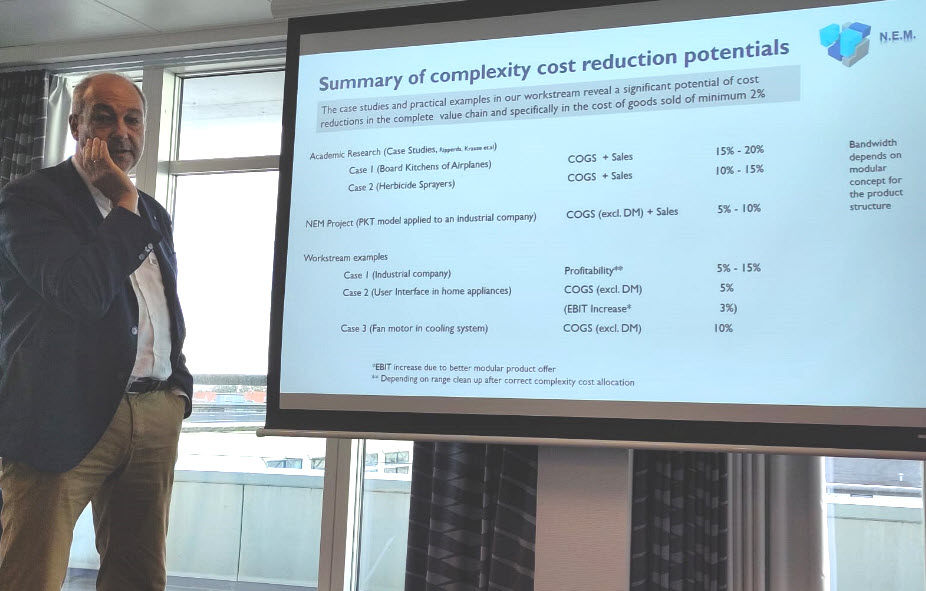
Peter Greiner, NEM member, presented the details of this result during the conference on day 2. The conclusion of the workstream team was a preliminary estimate suggesting a minimum cost reduction of 2-5% in terms of the Cost Of Goods Sold (COGS) on top of traditional modularization savings. These estimates are based on real-world cases.
Understanding that the benefits are related to the COGS with a high contribution of the actual material costs, a 2 – 5 % range is significant. There is the intention to dig deeper into this topic.
 Besides these workstreams, there are also other workstreams running or finished. The ones that interest me in the sustainability context are Workstream 1 Modular & Circular and Workstream 10 Modular PLM (Digital Thread).
The NEM network has an active group of members, making it an exciting network to follow and contribute as modularity is part of a sustainable future. More on this statement later.
Vestas
 The main part of day one was organized by our host, Vestas. Jens Demtröder, Chief Engineer at Vestas for the Modular Turbine Architecture and NEM board member, first introduced the business scope, complexity, and later the future challenges that Vestas is dealing with.
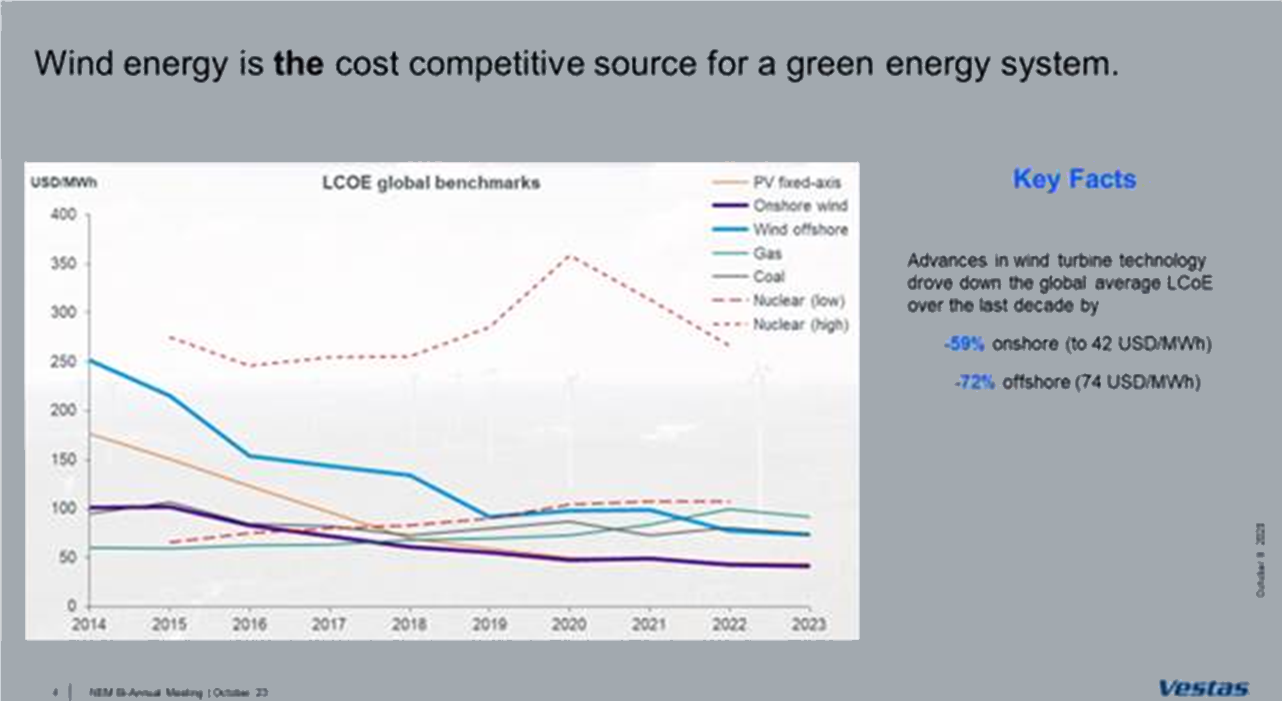
First, wind energy is the best cost-competitive source for a green energy system, as the image shows when taking the full environmental impact into the equation. As the image below shows
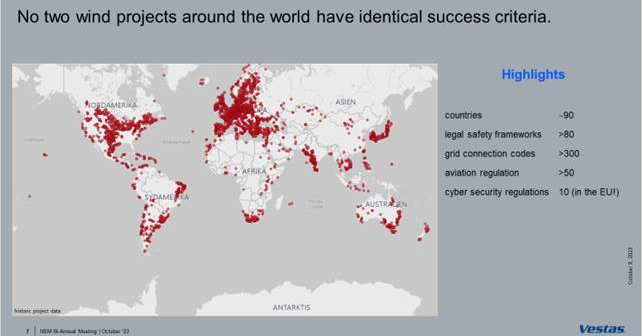
From the outside, wind turbines all look the same; perhaps a difference between on-shore and off-shore? No way! There is a substantial evolution in the size and control of the wind turbine, and even more importantly, as the image shows, each country has its own regulations to certify a wind turbine. Vestas has to comply with 80+ different local regulations, and for that reason, modularity is vital to manage all the different demands efficiently.
A big challenge for the future will be the transport and installation of wind turbines.
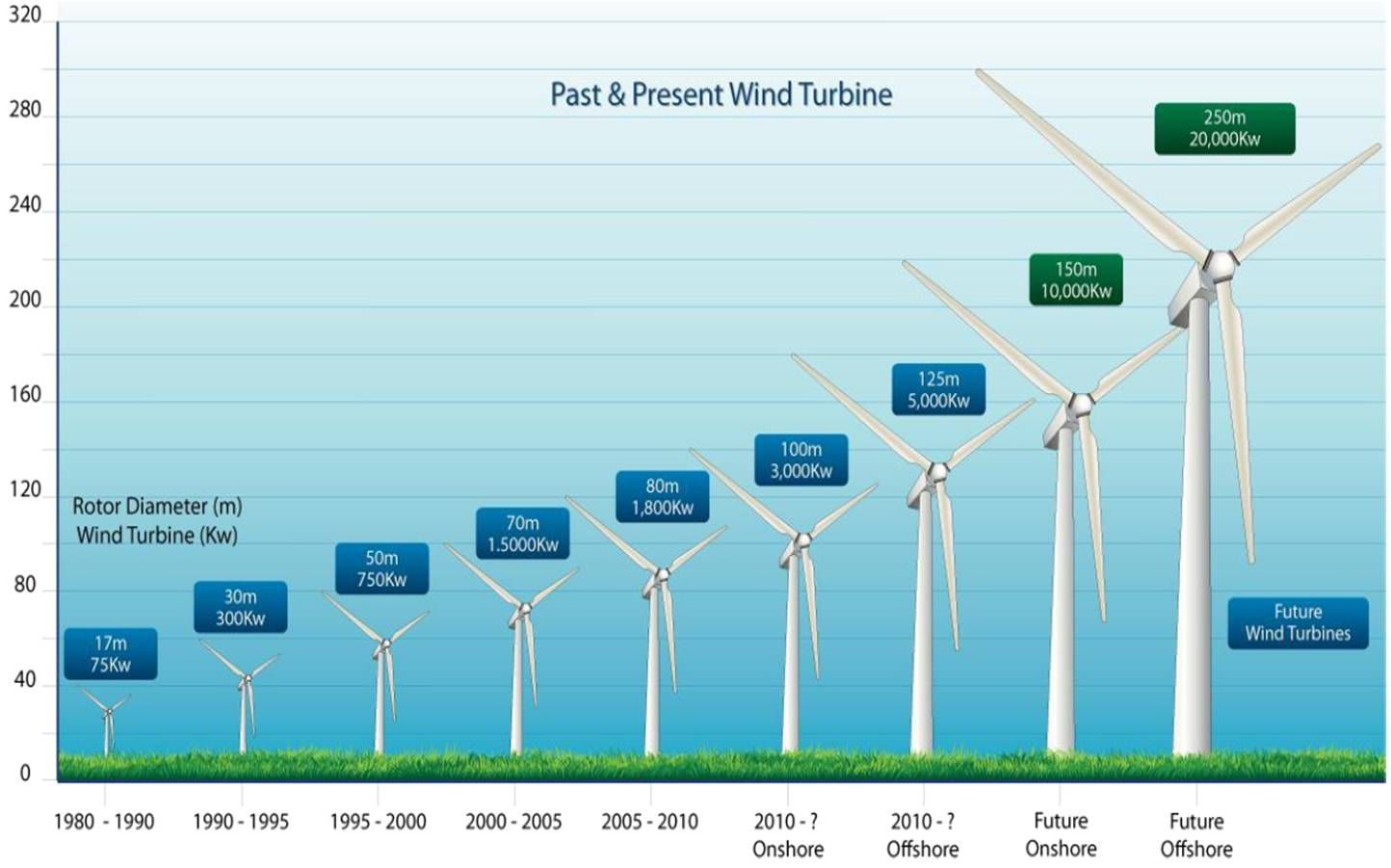 The components become so big that they need to be assembled on-site, requiring new constraints on the structure to be solved.
As the image to the left, rotor sizes up to 250 m are expected and what about the transport of the nacelle itself?
Click on this link to get an impression.
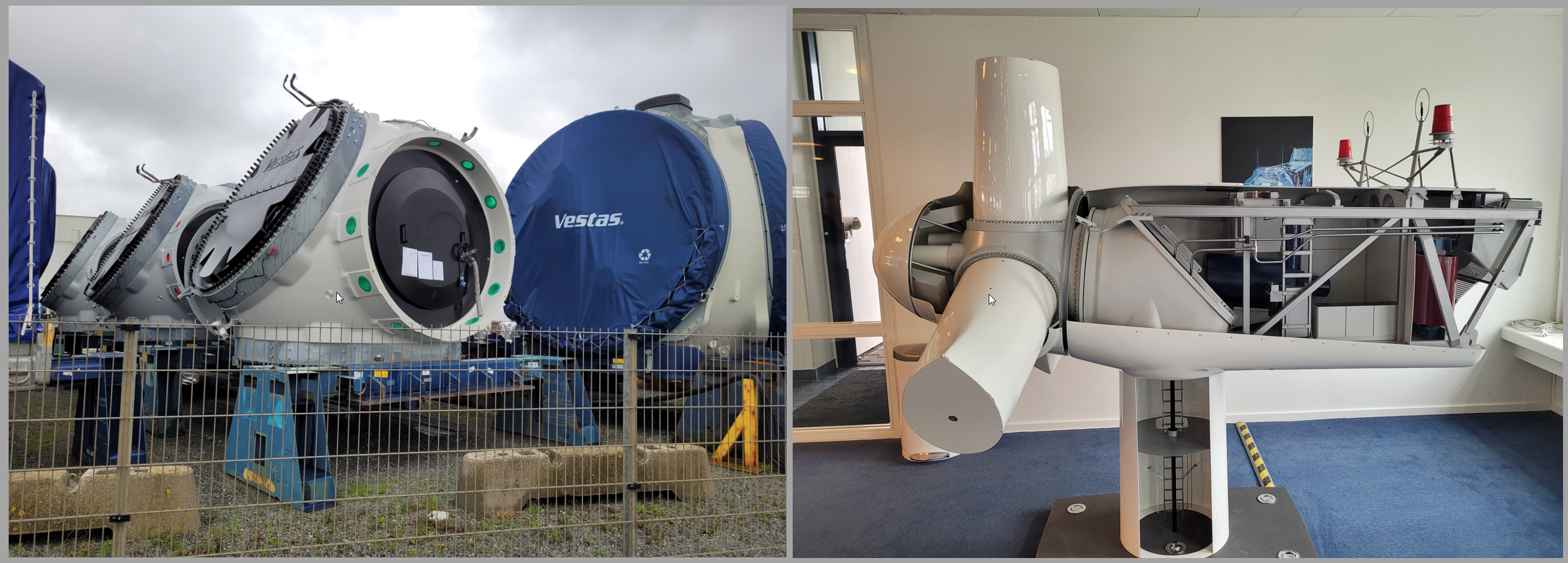
The audience also participated in a (windy) walk through the manufacturing site to get an impression of the processes & components – an impression below.
Processes, organization and governance
Karl Axel Petursson, Senior Specialist in Architecture and Roadmap, gave insights into the processes, organization and governance needed for the modularity approach at Vestas.
The modularization efforts are always a balance between strategy and execution, where often execution wins. The focus on execution is a claim that I recognize when discussing modularity with the companies I am coaching.
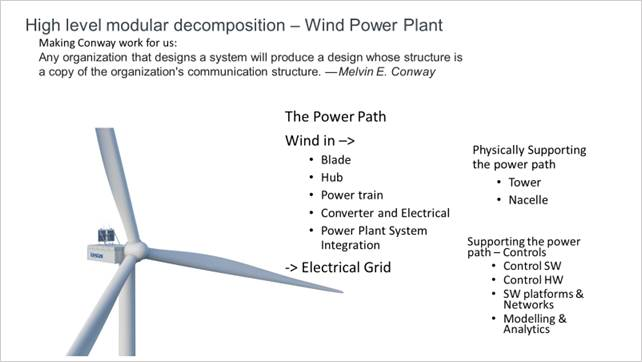
Vestas also created an organization related to the functions it provides, being a follower of Conway’s law, as the image below shows:
With modularity, you will also realize that the modular architecture must rely on stable interfaces between the modules based on clear market needs.
Besides an organizational structure, often more and more a matrix organization, there are also additional roles to set up and maintain a modular approach. As the image below indicates, to integrate all the functions, there are various roles in Vestas, some specialized and some more holistic:

These roles are crucial when implementing and maintaining modularity in your organization. It is not just the job of a clever R&D team.
Just a clever R&D is a misconception I have often discovered in the field. Buying one or more tools that support modularity and then let brilliant engineers do the work. And this is a challenge. Engineers often do not like to be constrained by modular constraints when designing a new capability or feature.
For this reason Vestas has established an Organization Change Management initiative called Modular Minds to make engineers flourish in the organization.
Modular Minds
Madhuri Srinivasan Systems Engineering specialist and Hanh Le Business Transformation leader both at Vestas, presented their approach to the 2020 must-win battle for Modularisation, aiming with various means, like blogs, podcasts, etc., to educate the organization and create Modular Minds for all Vestas employees.

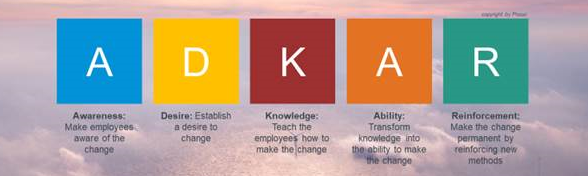 The team is applying the ADKAR model from Prosci to support this change. As you can see from the (clickable) image to the left, ADKAR is the abbreviation of Awareness, Desire, Knowledge, Ability and Reinforcement.
The ADKAR model focuses on driving change at the individual level and achieving organizational results. It is great to see such an approach applied to Modularity, and it would also be valuable in the domain of PLM, as I discussed with Share PLM in my network.
Scania
 The 1 ½ hour keynote speech from Leif Östling supported by Karl-Johan Linghede was more of an interactive discussion with the audience than a speech. Leif took us to the origins of Scania, their collaboration in the beginning with learning the Toyota Way. – customer first, respect for people and focus on quality. And initial research and development together with Modular Management resulting in the MFD-methodology.
It led to the understanding that:
- The #1 cost driver is the amount of parts you need to manage,
- The #2 crucial point is to have standardized interfaces and keep the flexibility inside the module
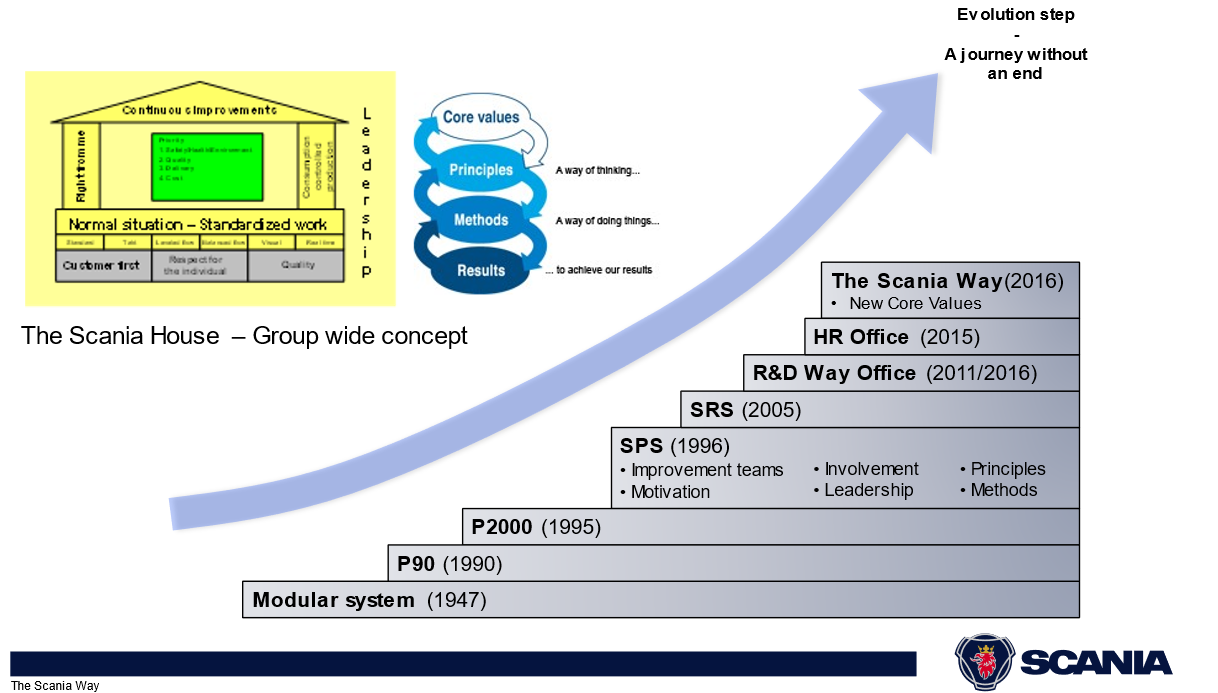
The Scania way
With Ericsson, Scania yearly on partnered to work on the connected vehicle. If you are my age, you will remember connectivity at that time was not easy. The connected vehicle was the first step of what we now would call a digital twin
An interesting topic discussed was that Scania has approximately 25 interfaces at Change Level 1. This is a C-level/Executive discussion to approve potential interface changes. This level shows the commitment of the organization to keep modularity operational.
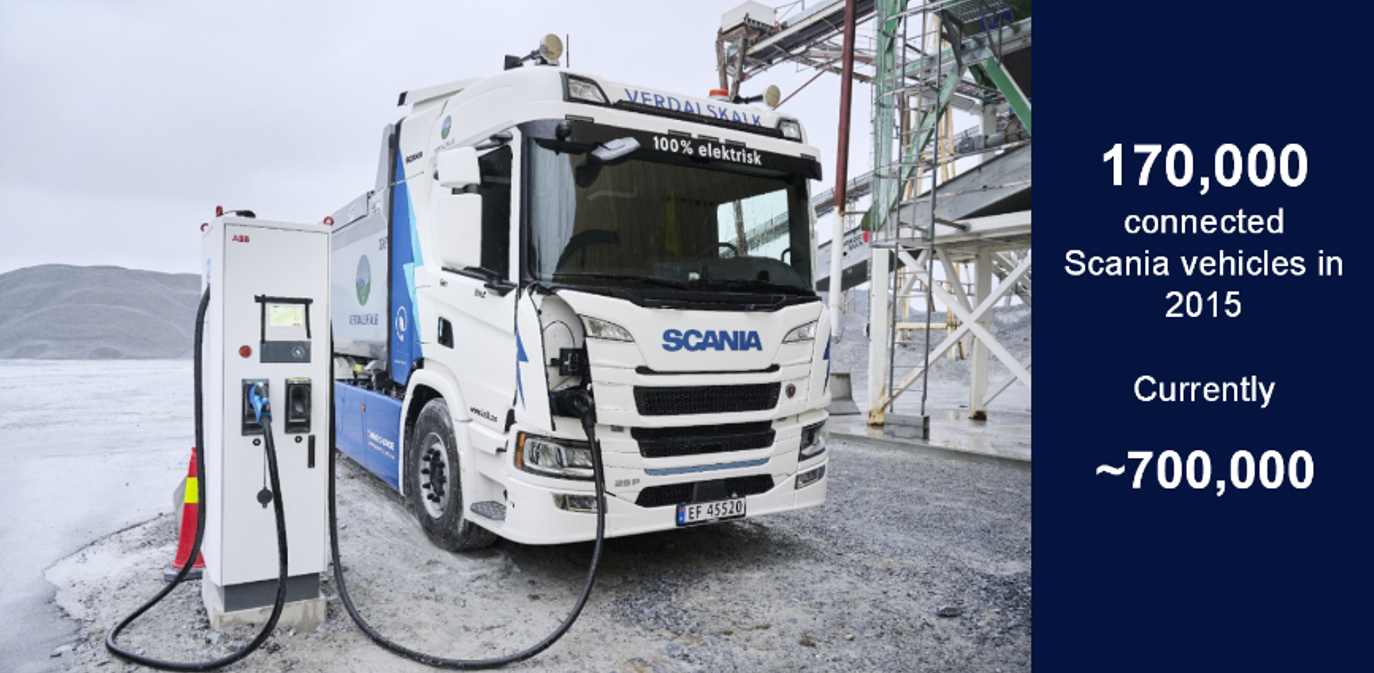 Another benefit mentioned was that the move to electrification of the vehicle was not such a significant change as in many automotive companies. Thanks to the modular structure and the well-defined interfaces, creating an electric truck was not a complete change of the truck design.
The session with Leif and Karl-Johan could have easily taken longer, giving the interesting question-and-answer dialogue with the curious audience. It was a great learning moment.
Digitization, Sustainability & Modularization
 As a PLM person from the PLM Green Global Alliance, I was allowed to give a speech about the winning combination of Digitization, Sustainability and Modularization. You might have seen my PLM and Sustainability blog post recently; now, a zoom-in on the circular economy and modularity is included.
In this conference, I also focused on Modularity, when implemented based on model-based and data-driven approaches, which is a crucial component of the circular economy (image below) and the lifecycle analysis per module when defined as model-based (Digital Twin).
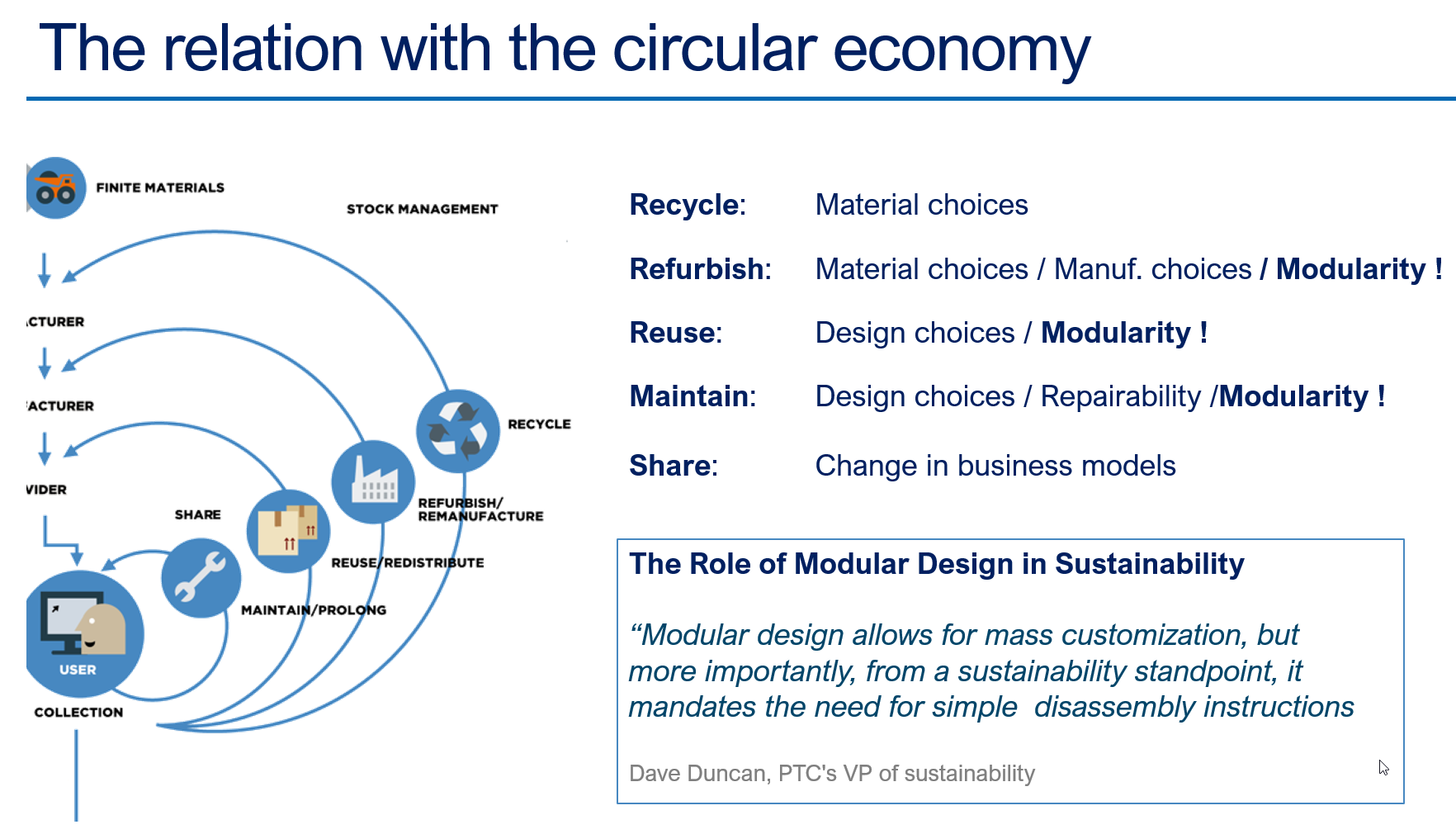
My entire presentation on SlideShare: Digitization, Sustainability & Modularization.
Conclusion
It was the first time I attended a conference focused on modularity purely, and I realized we are all fighting the same battle. Like the fact that PLM is a strategy and not an engineering system, modularity faces the same challenge. It is a strategy and not an R&D mission. It would be great to see modularity becoming a part of PLM conferences or Circular Economy events as there is so much to learn from each other – and we need them all.

Are you interested in the future of PLM and the meaning of Digital Threads.?
Click on the image to see the agenda and join us for 2 days of discussion & learning.
 In April this year, I published the post PLM and Modularity in which I had a dialogue with Daniel Strandhammar from Brick Strategy. Daniel and his colleague Bjorn Eriksson published the book “the Modular Way” written during the COVID-19 lockdowns.
We promised a recorded follow-up discussion with readers from the book. The follow-up initially planned for somewhere in May happened last week in June, with a significant contribution from the participants.
Theodor Ernstson, Henk Jan Pels, Jan Johansson and François Sychowicz shared their impression of the book with Daniel and Bjorn. Next, the following questions were posed and discussed:
- Modular design as a concept is already more than 50 years old, using different definitions, approaches and methodologies. In the book, an interesting list of steps is proposed. Is this list shared across modularity experts, or are they specific to this book?
- Do you see different ways of approaching modularity depending on the industry, or is it the same?
- When implementing modularization, which departments need to change their way of working most?
- How big a factor is the use of common technology in modularization?
- How do you position modularization vs. system engineering?
- As a measure of module quality, the concept of “independent” modules is often used to avoid that adding or changing a module might cause another module to fail. Have you seen this happening in your projects, and do you consider the concept of an “independent” module realizable?
- How do we make modularization stand out on the C-level agenda?
Watch the discussion here:
We felt that with this discussion, we only touched the tip of the iceberg. Each of the questions could be a theme for a deep conversation for some of us. Perhaps also for you – feel free to comment on this post or express your opinion. Based on the feedback, I am happy to moderate more detailed discussions related to modularity.
Conclusion
Reading books makes sense. Having a discussion afterward with some readers and the authors makes even more sense. Normally we would do this during a physical conference, meanwhile enjoying a drink or a snack. However, having a global and sustainable model of discussing and learning these virtual events might be the future. An entry point for enriching your network and knowledge.
 This time in the series of complementary practices to PLM, I am happy to discuss product modularity. In my previous post related to Virtual Events, I mentioned I had finished reading the book “The Modular Way”, written by Björn Eriksson & Daniel Strandhammar, founders of the consulting company Brick Strategy.
 The first time I got aware of Brick Strategy was precisely a year ago during the Technia Innovation Forum, the first virtual event I attended since COVID-19. Daniel’s presentation at that event was one of the four highlights that I shared about the conference. See My four picks from PLMIF.
As I wrote in my last post:
Modularity is a popular topic in many board meetings. How often have you heard: “We want to move from Engineering To Order (ETO) to more Configure To Order (CTO)”? Or another related incentive: “We need to be cleverer with our product offering and reduced the number of different parts”.
Next, the company buys a product that supports modularity, and management believes the work has been done. Of course, not. Modularity requires a thoughtful strategy.
I am now happy to have a dialogue with Daniel to learn and understand Brick Strategy’s view on PLM and Modularization. Are these topics connected? Can one live without the other? Stay tuned till the end if you still have questions for a pleasant surprise.
The Modular Way

Daniel, first of all, can you give us some background and intentions of the book “The Modular Way”?
 Let me start by putting the book in perspective. In today’s globalized business, competition among industrial companies has become increasingly challenging with rapidly evolving technology, quickly changing customer behavior, and accelerated product lifecycles. Many companies struggle with low profitability.
To survive, companies need to master product customizations, launch great products quickly, and be cost-efficient – all at the same time. Modularization is a good solution for industrial companies with ambitions to improve their competitiveness significantly.
 The aim of modularization is to create a module system. It is a collection of pre-defined modules with standardized interfaces. From this, you can build products to cater to individual customer needs while keeping costs low. The main difference from traditional product development is that you develop a set of building blocks or modules rather than specific products.
The Modular Way explains the concept of modularization and the ”how-to.” It is a comprehensive and practical guidebook, providing you with inspiration, a framework, and essential details to succeed with your journey. The book is based on our experience and insights from some of the world’s leading companies.
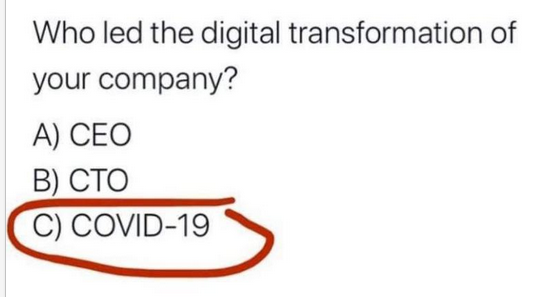 Björn and I have long thought about writing a book to share our combined modularization experience and learnings. Until recently, we have been fully busy supporting our client companies, but the halted activities during the peak of the COVID-19 pandemic gave us the perfect opportunity.
PLM and Modularity
Did you have PLM in mind when writing the book?
Yes, definitely. We believe that modularization and a modular way of working make product lifecycle management more efficient. Then we talk foremost about the processes, roles, product structure, decision making etc. Companies often need minor adjustments to their IT systems to support and sustain the new way of working.
Companies benefit the most from modularization when the contents, or foremost the products, are well structured for configuration in streamlined processes.
 Many times, this means “thinking ahead” and preparing your products for more configuration and less engineering in the sales process, i.e., go from ETO to CTO.
Modularity for Everybody?
It seems like the modularity concept is prevalent in the Scandinavian countries, with famous examples of Scania, LEGO, IKEA, and Electrolux mentioned in your book. These examples come from different industries. Does it mean that all companies could pursue modularity, or are there some constraints?
We believe that companies designing and manufacturing products fulfilling different customer needs within a defined scope could benefit from modularization. Off-the-shelf content, commonality and reuse increase efficiency. However, the focus, approach and benefits are different among different types of companies.
We have, for example, seen low-volume companies expecting the same benefits as high-volume consumer companies. This is unfortunately not the case.
 Companies can improve their ability and reduce the efforts to configure products to individual needs, i.e., customization. And when it comes to cost and efficiency improvements, high-volume companies can reduce product and operational costs.
Image:
Low-volume companies can shorten lead time and increase efficiency in R&D and product maintenance. Project solution companies can shorten the delivery time through reduced engineering efforts.
As an example, Electrolux managed to reduce part costs by 20 percent. Half of the reduction came from volume effects and the rest from design for manufacturing and assembly.
 All in all, Electrolux has estimated its operating cost savings at approximately SEK 4bn per year with full effect, or around 3.5 percentage points of total costs, compared to doing nothing from 2010–2017. Note: SEK 4 bn is approximate Euro 400 Mio
Where to start?
Thanks to your answer, I understand my company will benefit from modularity. To whom should I talk in my company to get started? And if you would recommend an executive sponsor in my company, who would recommend leading this initiative.
Defining a modular system, and implementing a modular way of working, is a business-strategic undertaking. It is complex and has enterprise-wide implications that will affect most parts of the organization. Therefore, your management team needs to be aligned, engaged, and prioritize the initiative.
The implementation requires a cross-functional team to ensure that you do it from a market and value chain perspective. Modularization is not something that your engineering or IT organization can solve on its own.
 We recommend that the CTO or CEO owns the initiative as it requires horizontal coordination and agreement.
Modularity and Digital Transformation
The experiences you are sharing started before digital transformation became a buzzword and practice in many companies. In particular, in the PLM domain, companies are still implementing past practices. Is modularization applicable for the current (coordinated) and for the (connected) future? And if yes, is there a difference?
Modularization means that your products have a uniform design based on common concepts and standardized interfaces. To the market, the end products are unique, and your processes are consistent. Thus, modularization plays a role independently of where you are on the digital transformation journey.
Digital transformation will continue for quite some time. Costs can be driven down even further through digitalization, enabling companies to address the connection of all value chain elements to streamline processes and accelerate speed to market. Digitalization will enhance the customer experience by connecting all relevant parts of the value chain and provide seamless interactions.
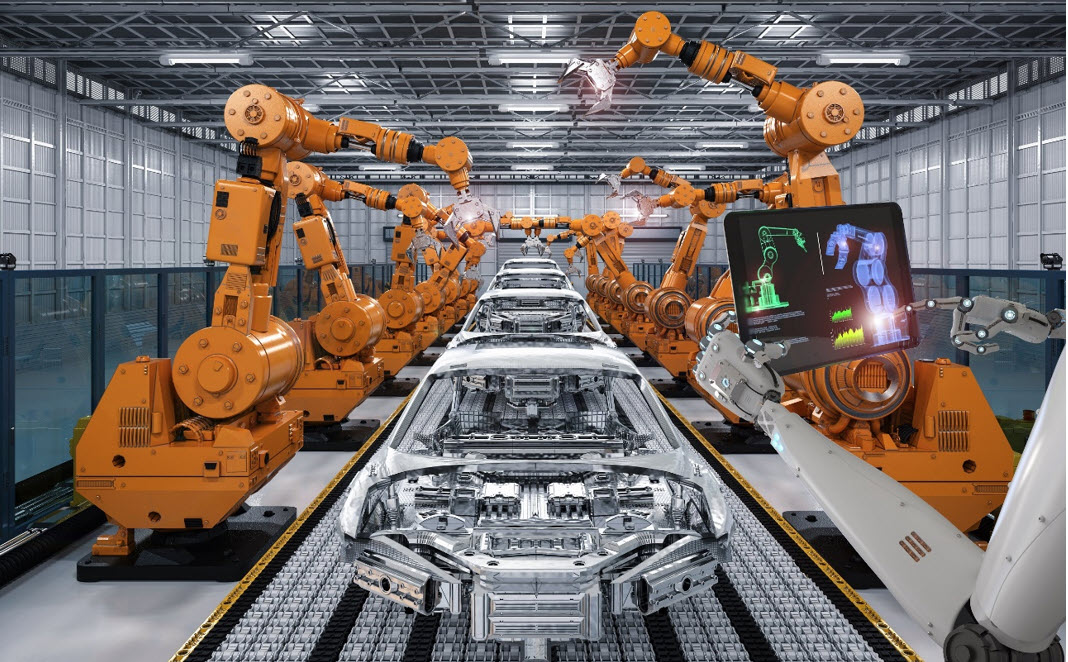 Industry 4.0 is an essential part of digitalization, and many companies are planning further investments. However, before considering investing in robotics and digital equipment for the production system, your products need to be well prepared.
image
The more complex products you have, the less efficient and costlier the production is, even with advanced production lines. Applying modularization means that your products have a uniform design based on common concepts and standardized interfaces. To the market, the end products are unique, and your production process is consistent. Thus, modularization increases the value of Industry 4.0.
Want to learn more?
First of all, I recommend people who are new to modularity to read the book as a starting point as it is written for a broad audience. Now I want to learn more. What can you recommend?
As you say, we also encourage you to read the book, reflect on it, and adapt the knowledge to your unique situation. We know that it could be challenging to take the next steps, so you are welcome to contact us for advice.
Please visit our website www.brickstrategy.com for more.
 For readers of the book, we plan to organize a virtual meeting in May 2021 -the date and time to be confirmed with the audience. Duration approx. 1 hour.
Björn Eriksson and Daniel Strandhammar will answer questions from participants in the meeting. Also, we are curious about your comments/feedback.
 To allow time for a proper discussion, we will invite a maximum of 4 guests. Therefore be fast to apply for this virtual meeting by sending an email to tacit@planet.nl or info@brickstrategy.com with your contact details
before May 7th.
I will moderate and record the meeting. We will publish the recording in a short post, allowing everyone to benefit from the discussion. Stay tuned if you are interested, and be fast to apply if you have a question to ask.
What I learned
- Modularization is a strategy that applies to almost every business and increases the competitiveness of a company.
- Modularization is not a technical decision to be executed by R&D and Engineering. It requires an effort from all stakeholders in the company. Therefore, it should be led by a CEO or CTO.
- For future products, modularization is even more important to fulfill one of the promises of Industry 4.0: batch-size 1 (manufacturing a unique product for a single customer with the cost and effort as if it were done in a serial production mode)
- Although we talk a lot about modularization in PLM implementations, it is a people and processes first activity. Then the PLM infrastructure has to support modularization. Do not buy a PLM system to start modularization. Think first!
Conclusion
Modularization is a popular topic at board meetings as it is easy to explain the business benefits. People in engineering and marketing often miss the time and skills to translate modularization into a framework that aligns all stakeholders. After reading the book “The Modular Way,” you will not have solved this issue. There are many, more academic books related to modularization. With this book, you will be better aware of where to start and how to focus.
 There is another interesting virtual event in May: the CIMdata PLM Road Map & PDT Spring 2021conference. The theme:
DISRUPTION—the PLM Professionals’ Exploration of Emerging Technologies that Will Reshape the PLM Value Equation.
I look forward to seeing you at this conference and discuss and learn together the changes we have to make – DISRUPTION or EXTINCTION or EVOLUTION. More on this topic soon.
 Jos Voskuil's Weblog
Interesting reflection, Jos. In my experience, the situation you describe is very recognizable. At the company where I work, sustainability…
[…] (The following post from PLM Green Global Alliance cofounder Jos Voskuil first appeared in his European PLM-focused blog HERE.) […]
[…] recent discussions in the PLM ecosystem, including PSC Transition Technologies (EcoPLM), CIMPA PLM services (LCA), and the Design for…
Jos, all interesting and relevant. There are additional elements to be mentioned and Ontologies seem to be one of the…
Jos, as usual, you've provided a buffet of "food for thought". Where do you see AI being trained by a…